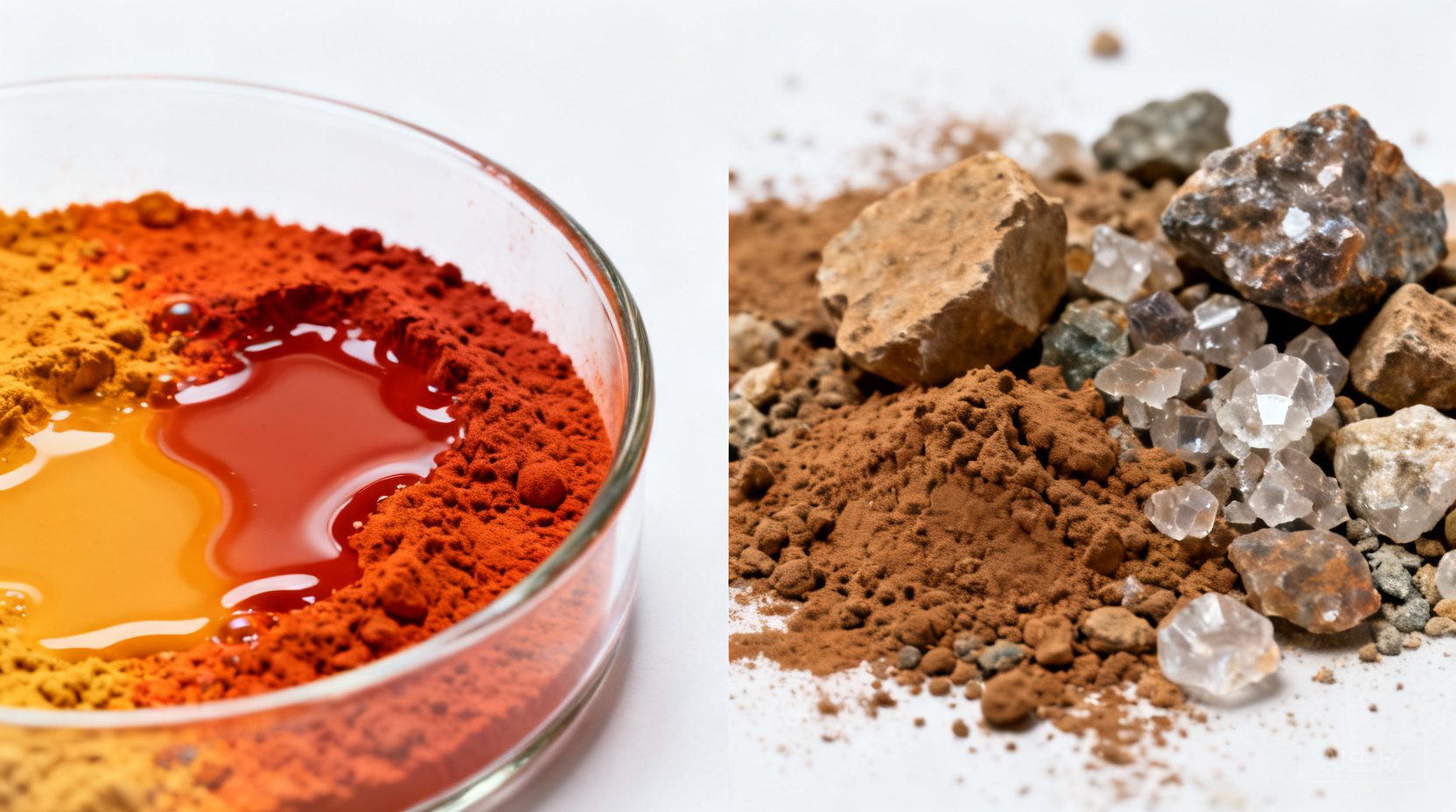
HONOR Pigment Red 177 & Yellow 151 — Non-Halogenated DPP Red + Chromate-Free Isoindoline Yellow for High-Performance Industrial Coatings, Plastics & Powder Coatings
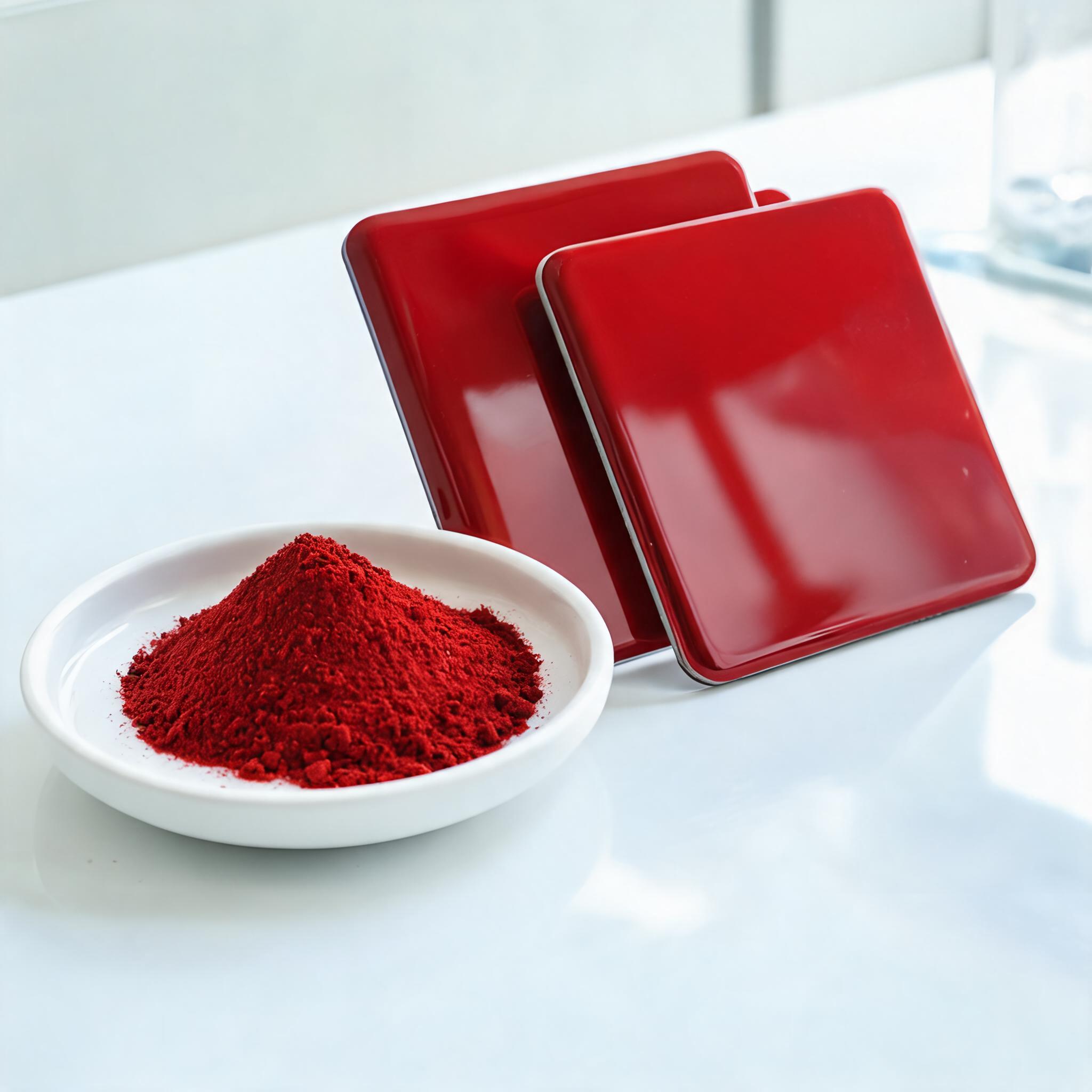
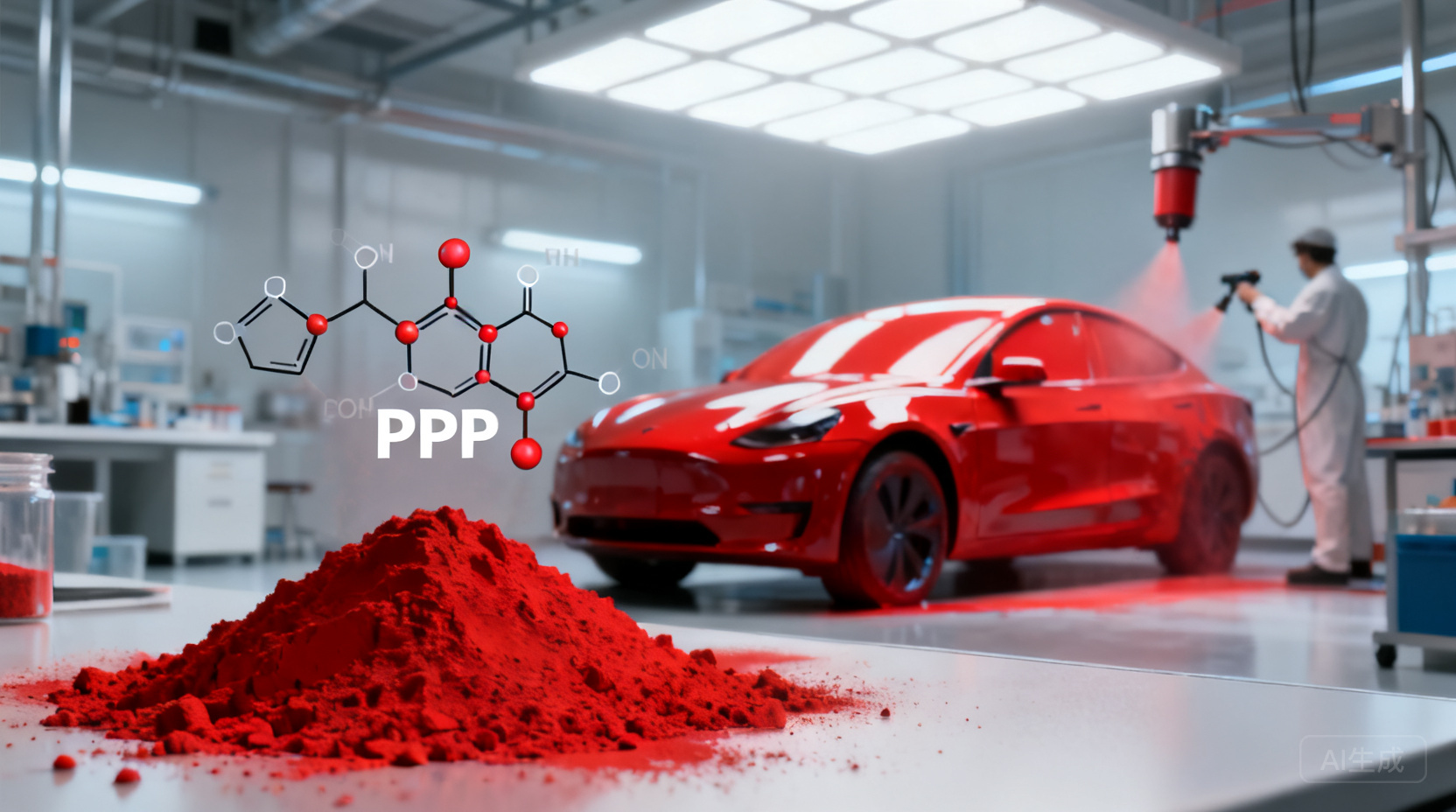
PR177 DPP Red pigment laboratory photograph

Technical deep dive: HONOR Red 177-SP (non-halogenated DPP, C.I. 65300) delivers weatherfastness grade 7.5 and sub-50 ppm VOC residuals for automotive refinish and coil coatings. HONOR Yellow 151-HP (isoindoline, C.I. 13980) offers 142% tinting strength, 300°C heat stability, and zero heavy metals as a lead chromate replacement. Complete technical data, comparison tables, and formulation guidance.
FIX: Organic Pigment FAQ: 20 Questions Formulators Ask (truncation fix)

Organic Pigment FAQ: 20 Questions Formulators Ask Technical answers from HONOR Pigment’s R&D department — covering quality control, sampling, specifications, applications, and global sourcing for industrial formulators. 1. Quality & Batch Consistency 1.1 How do HONOR Pigment ensure batch-to-batch color consistency for organic pigments? We implement ISO 9001-certified QC protocols including spectrophotometric ΔE*ab ≤ 0.8 … Read more

Heat Stable Organic Pigments for 300°C Plastics: Expert Guide

Heat Stable Organic Pigments for 300°C Plastics: Expert Guide

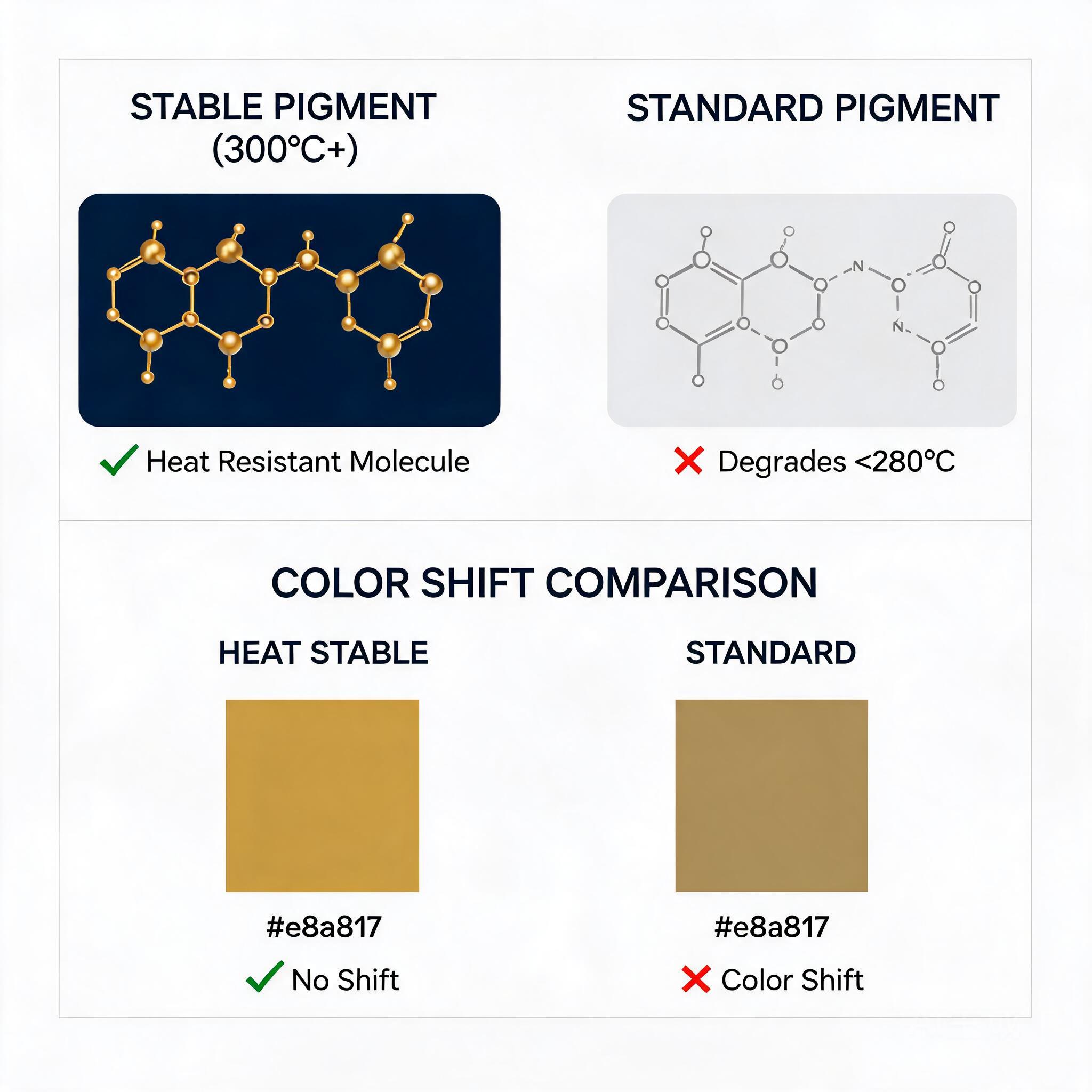
Heat Stable Organic Pigments for High-Temperature Plastics: 300°C+ Processing Guide When processing engineering plastics at temperatures above 280°C, standard organic pigments often undergo thermal degradation—causing color shift, browning, or complete loss of chroma. To avoid scrap and ensure consistent color, you need heat stable organic pigments designed for high-temperature masterbatch and direct molding. This guide … Read more

Best Pigments for Printing Inks: PR57:1 vs PR48:2 Guide

Best Pigments for Printing Inks: PR57:1 vs PR48:2 Guide

html Why Choosing the Right Organic Pigments for Printing Inks Determines Press Success When you need to select the best pigments for printing inks—whether for water‑based flexo, solvent‑gravure or packaging lamination—the decision reaches far beyond shade cards. You’re really locking in dispersion stability, colour strength, lightfastness, bleed characteristics and heat tolerance. A formulator who understands … Read more

Why Organic Pigments Fade: Lightfastness and UV Resistance

Why Organic Pigments Fade: Lightfastness and UV Resistance

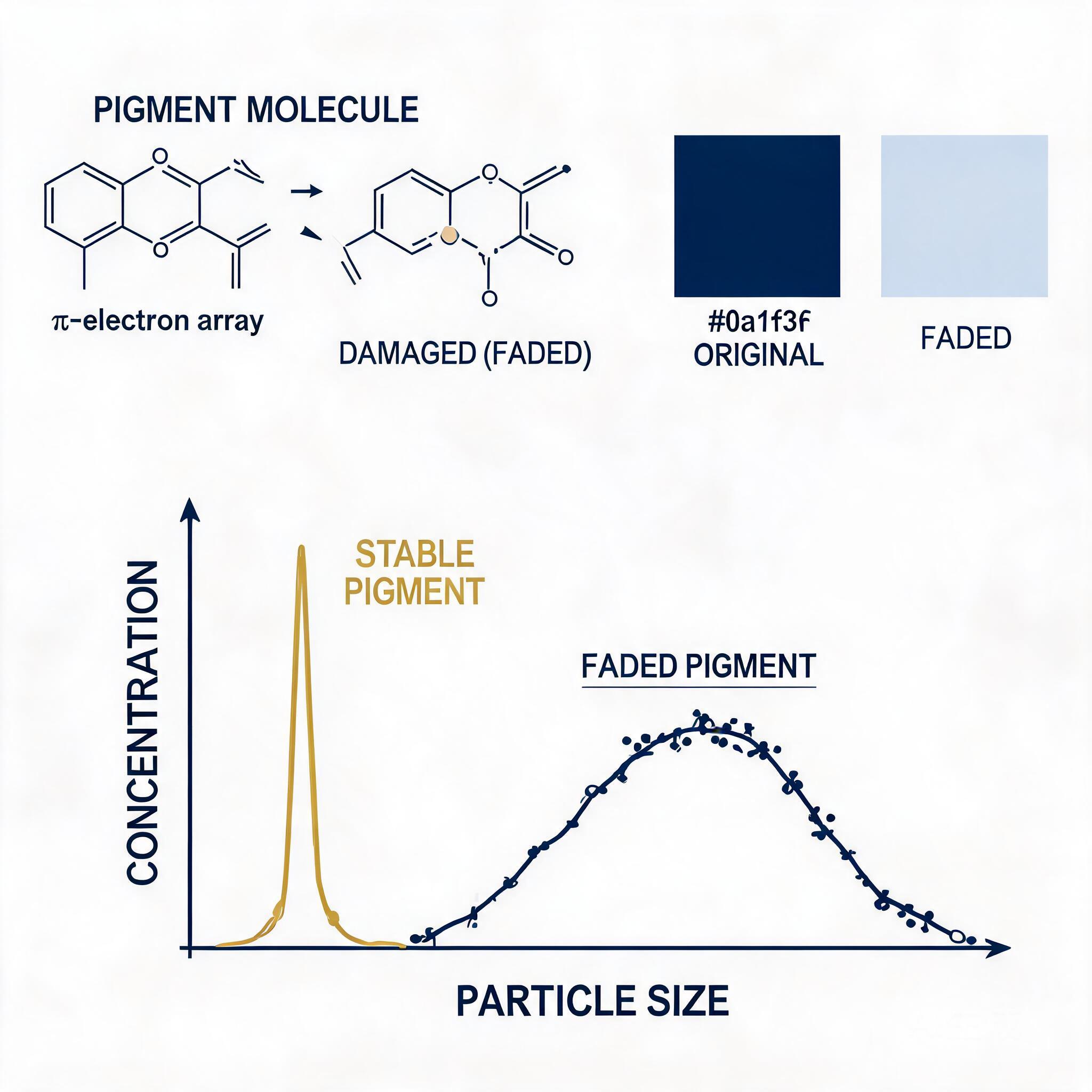
Why Do Organic Pigments Fade? The Molecular Origins of Color Loss Organic pigments fade because high-energy photons attack the chromophore—the conjugated π‑electron array that gives color—breaking bonds and disrupting the planar geometry essential for hue. Once the conjugated path snaps, the color disappears. Even worse, the photon often leaves behind radicals that spread damage molecule … Read more