
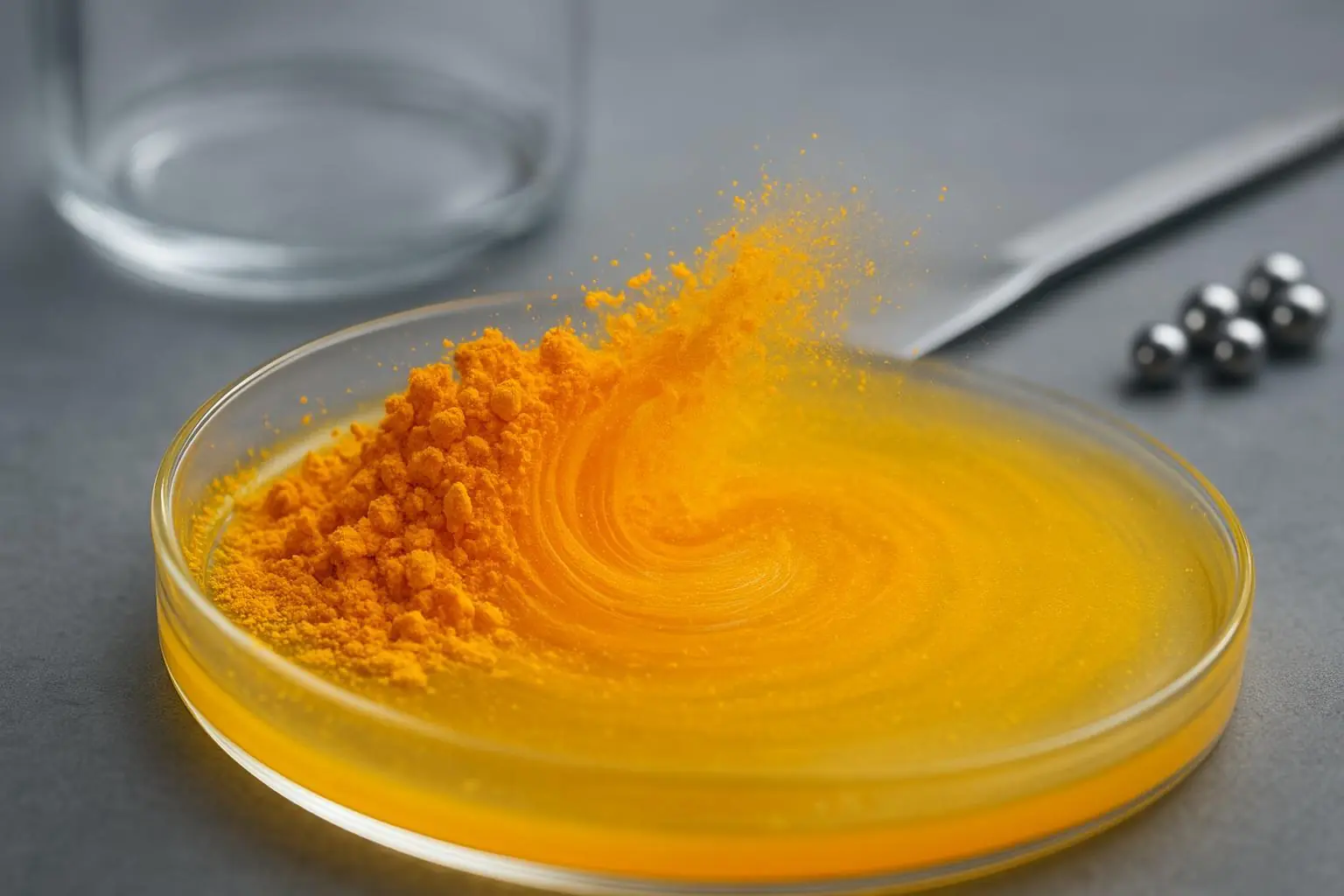
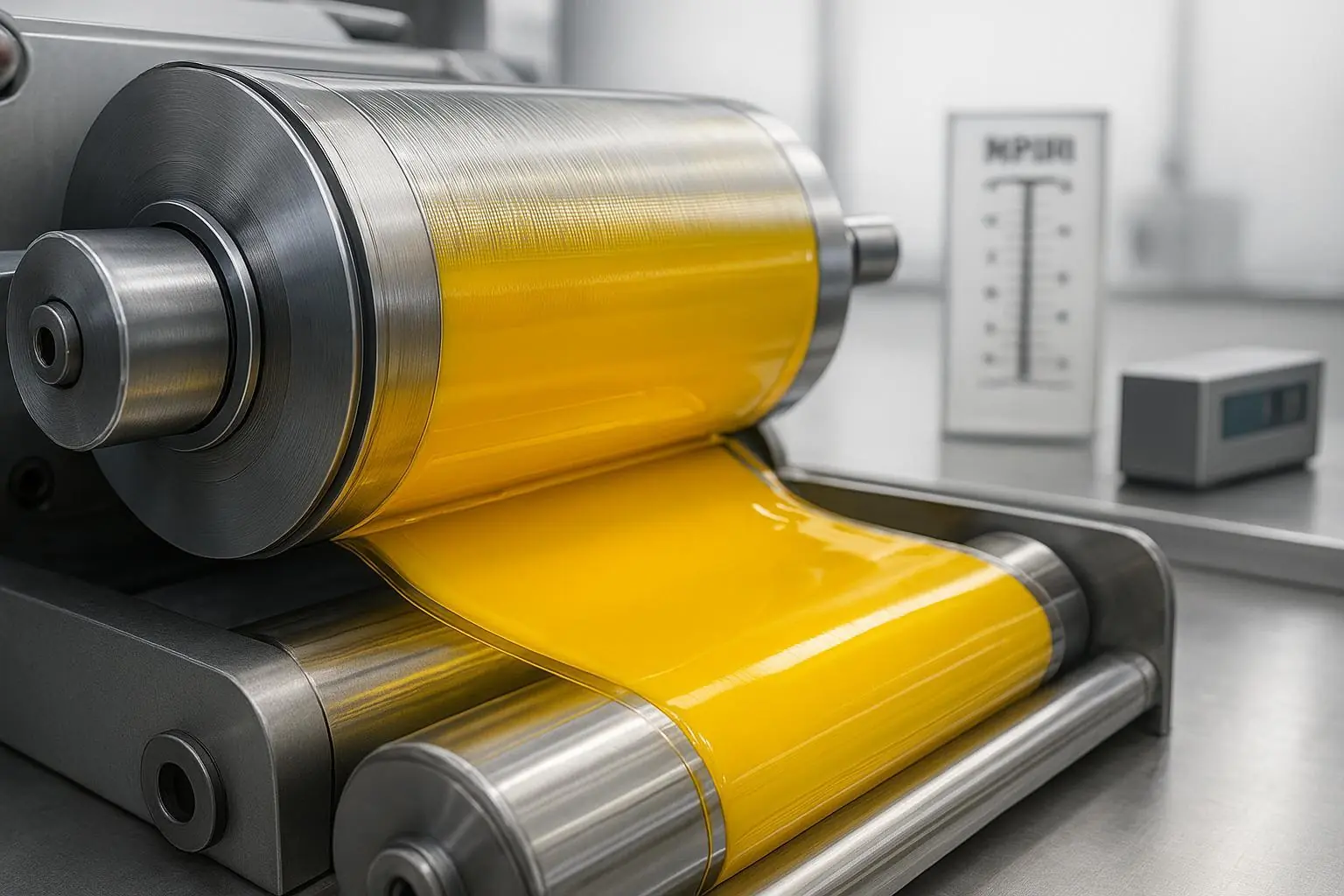
Pigment Yellow 14 for Solvent-Based Gravure and Flexo Inks: High Flow and High Gloss on Films and Paper
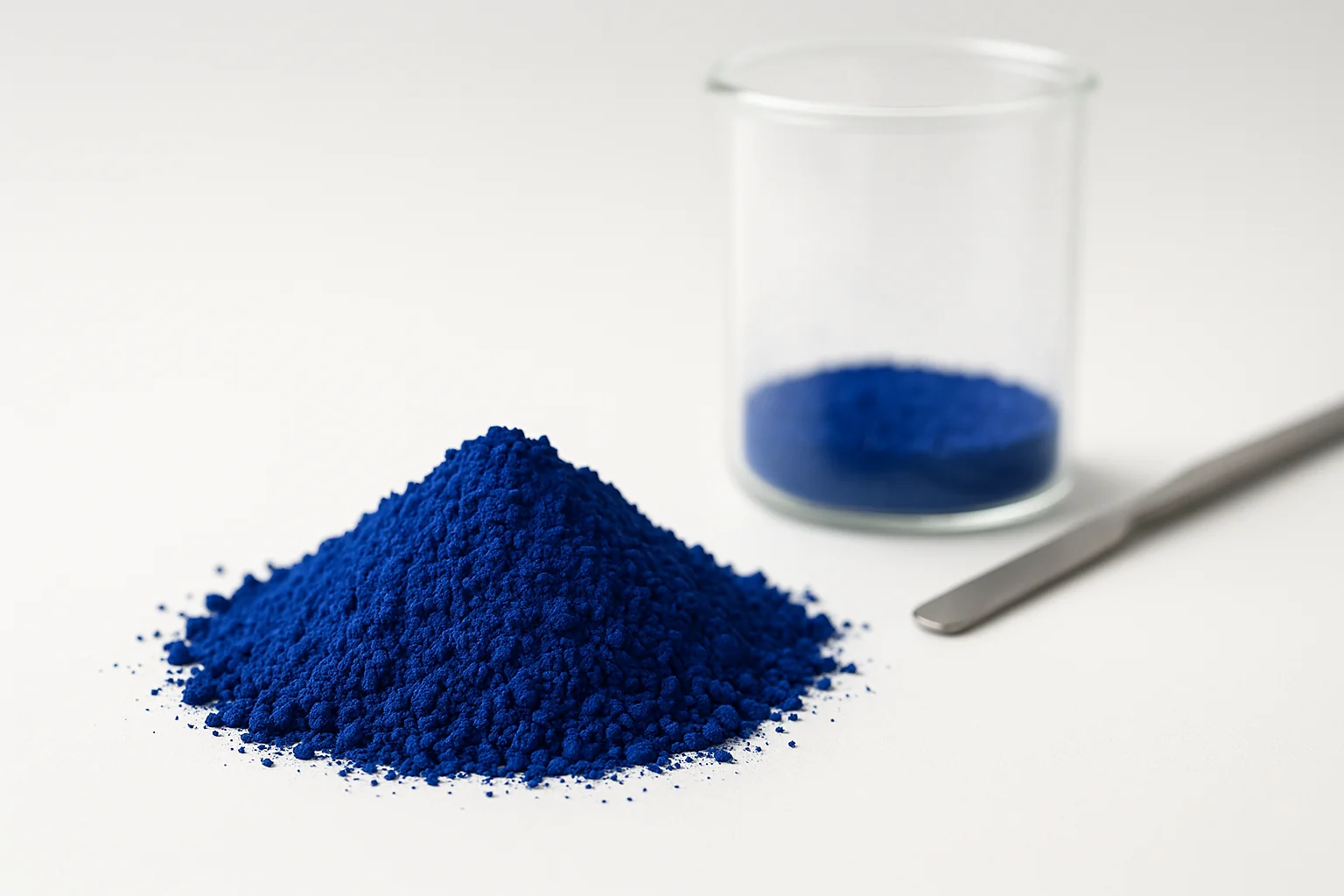
Pigment Blue 15:0 (PB15:0): definition, properties, and where it fits
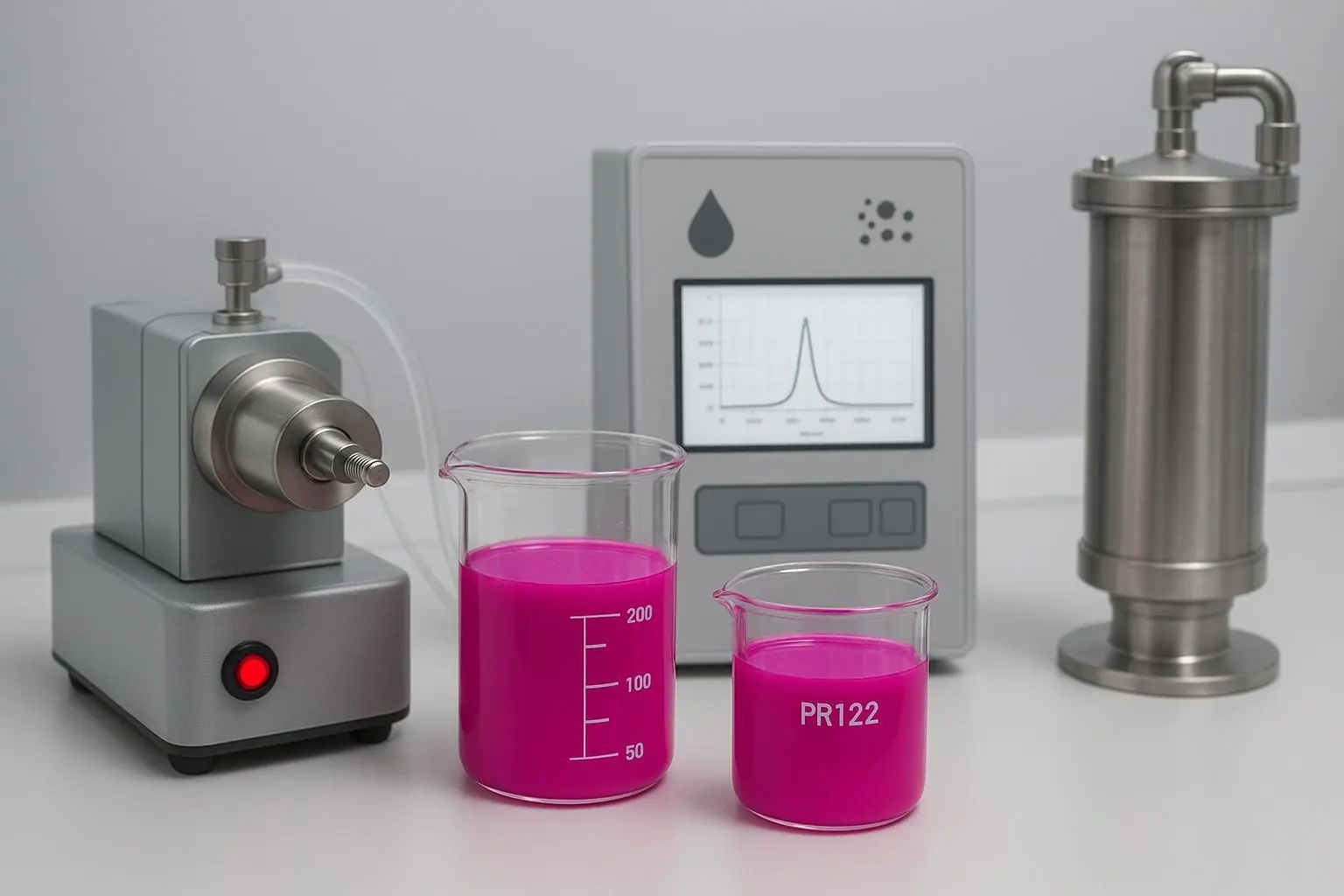
PR170 F3RK70 equivalent: The best alternatives for automotive & industrial coatings
Pigment Yellow 12 for Water‑Based Inks: Practical Guidance for SEA
Pigment Yellow 74 — Small Pigment, Big Performance
Pigment Orange 34 is a workhorse orange for coatings, plastics/masterbatch, and printing inks when you need bright shade, strong opacity, and dependable processing at reasonable cost. This guide distills practical, evidence-backed steps to specify, disperse, and qualify opaque grades (e.g., HP Orange 3646 family) so you hit your targets the first time.
What is Pigment Orange 34?
Pigment Orange 34 (C.I. 21115; CAS 15793‑73‑4) is a disazopyrazolone (often grouped with diarylide oranges). Opaque engineered grades are tuned for covering power and tinting efficiency. While performance varies by producer and surface treatment, multiple TDS/SDS sources report consistent baseline properties and fastness ranges.
Quick specs (typical ranges; verify per supplier TDS)
Property | Typical range for PO34 (opaque) | Notes and sources |
|---|---|---|
Particle size (D50) | ~0.1–2.5 µm | Grade dependent; opaque grades bias opacity. Sources: SY Pigment TDS; DCL 1334/1634 TDS |
Density/specific gravity | ~1.30–1.50 g/cm³ | E.g., FinelandChem TDS 1.35–1.45 g/cm³; DCL typical 1.3–1.4 |
Oil absorption | ~30–55 g/100 g | DCL 1634 notes 30–40; FinelandChem shows higher values within range |
pH (aqueous) | ~5–7 | Supplier and method dependent |
Lightfastness | Masstone ~6–7; 1:10 tint ~5–6 | Opaque grade example in coatings: DCL 1334 TDS |
Plastics heat screening | Target ≤180–200 °C in PE/PP | See DCL Plastics Brochure (HDPE screening guidance) |
Evidence examples: DCL’s Opaque Orange 34 grade reports lightfastness 6–7 (masstone) and 5–6 in tint in coatings per its TDS, with application notes on durability and processing according to the DCL document in 2024 (see links below).
According to the DCL opaque-grade data sheet for Orange 34, lightfastness and hiding align with typical opaque PO34 engineering, while the DCL plastics brochure positions diarylide chemistry with conservative 200 °C screening in polyolefins. FinelandChem and SY Pigment TDS confirm CI/CAS identity and similar physical ranges.
How to choose: Pigment Orange 34 vs PO36 vs PO13 (and opaque vs transparent)
Think of selection as a triangle of hiding power, durability/heat, and cost. Where does your application sit?
Attribute | PO34 (opaque) | PO36 (benzimidazolone) | PO13 (disazopyrazolone) |
|---|---|---|---|
Hiding power | High at moderate loading | Medium to high (often more transparent) | Medium |
Light/weather fastness | Good in many systems | Very good to excellent | Fair to good |
Heat handling (plastics) | Conservative ≤200 °C windows typical | Better high‑temp robustness | Lower than PO36; varies |
Typical use cases | Architectural/industrial coatings, PE/PP masterbatch, packaging inks | Automotive/exterior coatings, more demanding plastics | Budget‑sensitive indoor or short‑life applications |
Relative material cost | $$ | $$$ | $ |
Why opaque vs transparent? Opaque PO34 grades reach target contrast ratio at lower pigmentation than transparent oranges, improving cost‑per‑coverage and often simplifying film building. Transparent oranges, by contrast, are chosen for depth/gloss and chroma at the expense of hiding.
For maximum outdoor durability or high‑temp engineering plastics, PO36 commonly leads; that position is reflected in manufacturer directories describing PO36 for “applications where excellent weatherfastness and heat stability are required.” See DCL’s North America Directory (2021) for positioning context.
Pigment Orange 34 in Coatings — Best Practices
Use opaque PO34 when you need covering power with a bright yellow‑orange shade in solventborne alkyds and many waterborne acrylics.
Dispersion approach: Favor polymeric dispersants compatible with your binder polarity; wet‑out quickly and disperse to a tight PSD without over‑milling. Over‑milling can induce flooding/flocculation, especially in tint bases.
Loading and hiding: Benchmark at a fixed PVC and film thickness on contrast charts; report contrast ratio and Lab* using ASTM D2244 calculation practices. In many architectural/industrial systems, opaque PO34 will reach the target contrast ratio at a lower pigment volume concentration than a transparent orange under equal grind conditions.
Durability checks: For outdoor or semi‑exposed uses, run accelerated exposure (xenon arc) and rate Blue Wool and Grey Scale per your lab’s protocol. Expect masstone/tint fastness in the ranges summarized in the spec table for optimized opaque grades.
Here’s the deal: measure, don’t guess. Record dispersion endpoint (Hegman), film build, and contrast ratio so comparisons against alternatives (or a PO36 control) are apples to apples.
Plastics & Masterbatch (PE/PP focus) — Heat Stability & Migration
Opaque PO34 is commonly used in PE and PP masterbatch for films and molded parts when cost and hiding matter.
Processing windows: Diarylide/pyrazolone chemistry calls for conservative melt temperatures and residence times. A widely used screening practice in HDPE targets ≤200 °C to minimize decomposition risk; always validate in your exact screw design and dwell profile.
Migration/bleed: Optimized grades can show strong migration resistance in polyolefins and plasticized PVC; still, verify against your plasticizer package and end‑use temperature profile.
Practical screening: Start with a concentrate (20–50% pigment, per your supplier) in a polyolefin‑matched carrier. Let down to 1–2% pigment in film, then assess ΔE after thermal dwell and check for plate‑out/die build‑up. Use consistent screen packs so filtration isn’t a hidden variable.
Printing Inks — PSD, Rheology, and Filtration
In gravure and offset packaging inks, Pigment Orange 34 supplies a strong shade with adequate opacity when a transparent orange falls short. The target particle size distribution is typically sub‑micron to near‑micron with a narrow mode to balance gloss, strength, and viscosity. Manage dispersant chemistry to stabilize the dispersion, prevent seeding, and keep viscosity inside press targets. Filtration must capture coarse residues without stripping strength.
Rhetorical check: if gloss and transparency are mission‑critical, are you sure you want an opaque grade? Test a transparent orange control for comparison at equal fineness.
Dispersion & Milling Guidance (cross‑application)
Use this short pre‑grind checklist before you charge the mill:
Confirm TDS targets (PSD, recommended dispersant class, heat limits) and pick compatible resin/dispersant.
Set a specific dispersion endpoint (e.g., Hegman or laser diffraction D50) and stop rules to avoid over‑milling.
Control temperature rise; diarylide chemistry can be sensitive at elevated shear and heat.
Stepwise notes: Wet the powder fully before high‑shear; stage the energy (sawtooth to bead mill) and verify PSD narrowing, not just viscosity drop. After let‑down, recheck color strength and ΔE against standard—if flocculation appears (strength loss, hue shift), adjust dispersant demand or polarity match.
Reproducible Micro‑Formulas (start‑of‑work)
Alkyd enamel tint (opaque PO34 vs transparent orange)
Objective: Compare hiding and tint strength at equal grind conditions.
Millbase scaffold: Short‑oil alkyd resin (medium‑solids), 30–35% pigment in millbase (opaque PO34 or transparent orange control), polymeric dispersant per supplier guidance, balance with solvent (xylene/butyl acetate mix). Disperse to Hegman ≥7.0, same endpoint for both samples. Let‑down to identical PVC and KU viscosity.
Application & evaluation: Apply equal film thickness on Leneta chart. Record contrast ratio and Lab*. Calculate ΔE per ASTM D2244. Expect the opaque PO34 formula to reach the target contrast ratio at lower pigment volume concentration than the transparent control when film build is held constant. For durability, expose per your xenon method and rate Blue Wool/Grey Scale.
LDPE film masterbatch (opaque PO34)
Objective: Confirm heat screening and opacity contribution in polyolefins.
Concentrate: LDPE carrier masterbatch at ~40% PO34 pigment (supplier‑specific handling). Extruder zones staged ~160–190 °C; target melt ≤180–190 °C; screw 80–120 rpm depending on die and film line. Let‑down to 1.5% pigment in final film. Keep residence time moderate; monitor for plate‑out and odor.
Evaluation: Measure color strength and ΔE vs internal standard; perform quick migration checks relevant to the package (e.g., plasticizer contact if applicable). If ΔE drifts after 24 h at temperature, review stabilizer package and residence time.
Troubleshooting — What to check when things go off‑spec
Symptom | Likely cause | Fast corrective action |
|---|---|---|
Poor hiding at target PVC | Using a transparent orange; under‑dispersed agglomerates; film too thin | Switch to opaque PO34 or raise film build; increase dispersion energy to endpoint; verify contrast ratio at correct thickness |
Strength loss after let‑down | Flocculation due to polarity mismatch or under‑dosage of dispersant | Adjust dispersant class/dosage; check resin polarity; add grind‑stage resin to stabilize |
Viscosity spike in millbase | Over‑milling narrowing PSD too far; poor temperature control | Set stop rule at target Hegman/PSD; cool the mill; reduce media loading or speed |
ΔE shift after thermal dwell (plastics) | Excess melt temperature or residence time; pigment decomposition | Lower zone temps; optimize screw profile; shorten dwell; add stabilizers per supplier advice |
Plate‑out/die build‑up | Over‑lubrication or incompatible additives; contaminants | Adjust lubrication; clean screen pack; verify additive compatibility |
Practical Example — Using an Opaque PO34 Grade in a Workflow
In a polyolefin film program, a formulator selects an opaque grade from the Pigment Orange 34 family to boost contrast ratio without heavy film build. The team sets a conservative extrusion window (zones 160–190 °C, melt ≤190 °C) and targets 1.5% pigment in finished film. After a 24‑hour thermal dwell check at line temperatures, ΔE stays within their spec. For sourcing and sample coordination, see the Honor Pigments PO34 product listing at the HP Orange 3136 page: Honor Pigments HP Orange 3136 — Pigment Orange 34. This link is provided as an internal reference; verify grade‑specific TDS/SDS before approval.
Compliance & Sourcing Notes
Documentation: Always request the current TDS and SDS from your supplier; align fastness ratings and heat screening methods with your internal test plan. Use ASTM D2244 for color difference calculations in reports so data stay comparable across labs.
Plastics heat screening: For diarylide/pyrazolone pigments in HDPE/PP, conservative 200 °C screening is a common practice; validate on your line with your screw design and dwell times.
Regulatory: Confirm TSCA inventory status and EU REACH status for the exact material you buy at the time of approval. Avoid blanket statements; cite the supplier’s compliance letters and current registry checks.
Sources and further reading
Coatings lightfastness example and properties for an opaque PO34 grade: see DCL’s data sheet in “Opaque Orange 34” (1334) under coatings applications: DCL 1334 Opaque Orange 34 TDS (2023/2024 release).
Plastics heat screening context for diarylides in HDPE: DCL Plastics Brochure (2024).
Alternative PO34 TDS ranges and identifiers: FinelandChem PO34 TDS и SY Pigment PO34 TDS.
Polyolefin processing windows and best‑practice set‑ups: LyondellBasell “A Guide to Polyolefin Extrusion Coating”.
Color measurement guidance used in coatings labs: ASTM Paint & Coating Standards overview (D2244).
Positioning context for PO36 in high‑durability applications: DCL North America Pigments Directory (2021).
Author: Senior Formulation Chemist (7+ years in pigments, coatings, inks, and masterbatch). For technical questions or to request a PO34 sample pack and grade‑specific TDS/SDS, you can reference the internal product listing: Honor Pigments HP Orange 3136 — Pigment Orange 34.
 English (UK)
  Español
  Português
  Français
  Русский
  Türkçe
  العربية
  Bahasa Indonesia
  한국어
한국어  Čeština
  Nederlands
  עִבְרִית
  Ελληνικά
  日本語
日本語  Italiano
  Português do Brasil
  Deutsch
  Română
  Español de Argentina
  Irish
Irish  Español de Colombia
  Dansk
Dansk  Қазақ тілі
  Монгол
  Español de México
  O‘zbekcha
  Shqip
Shqip  English (South Africa)
  Deutsch (Österreich)
  Español de Chile