


Advanced Coating Solutions for Automotive Applications
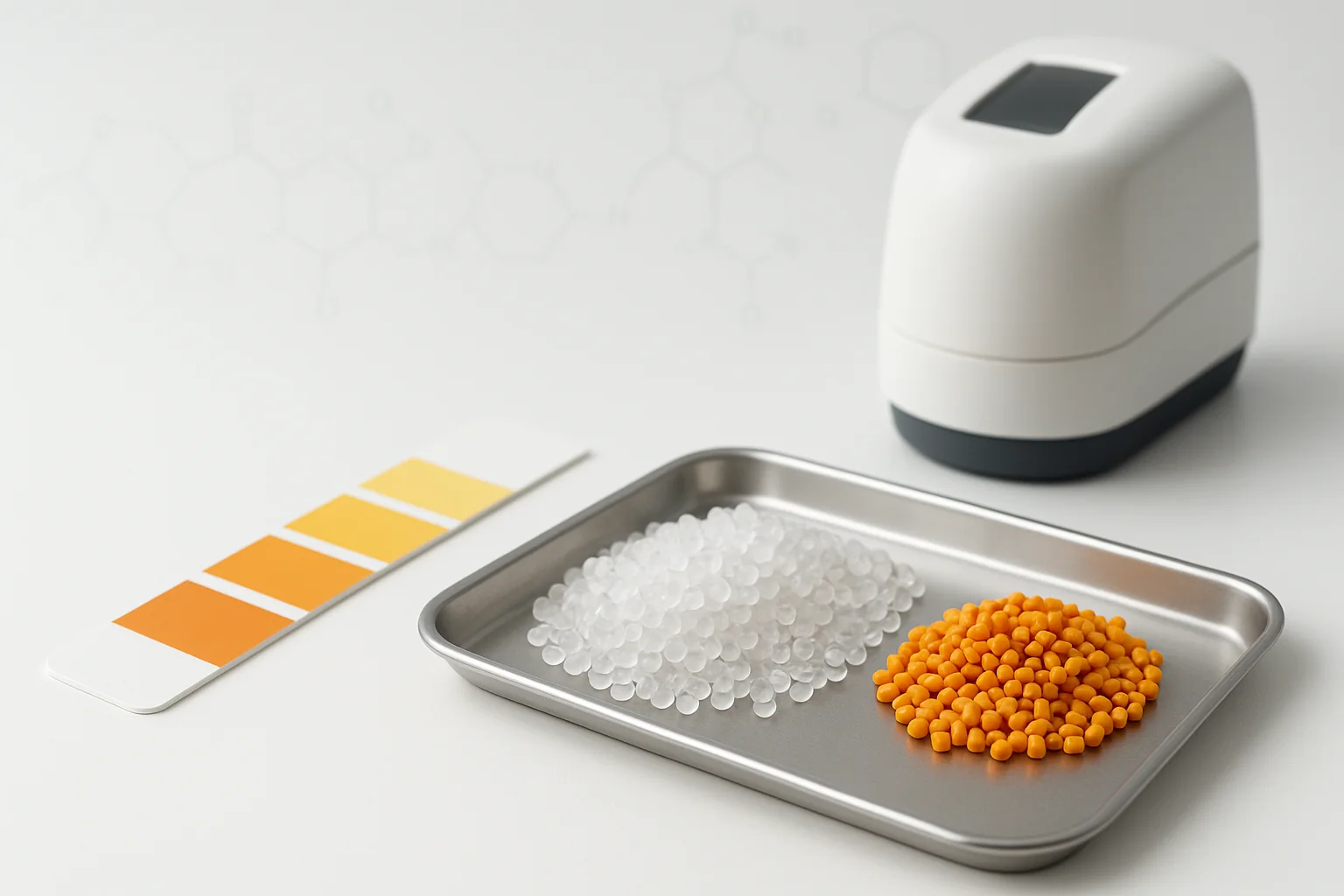
High-Performance Pigments for Engineering Plastics
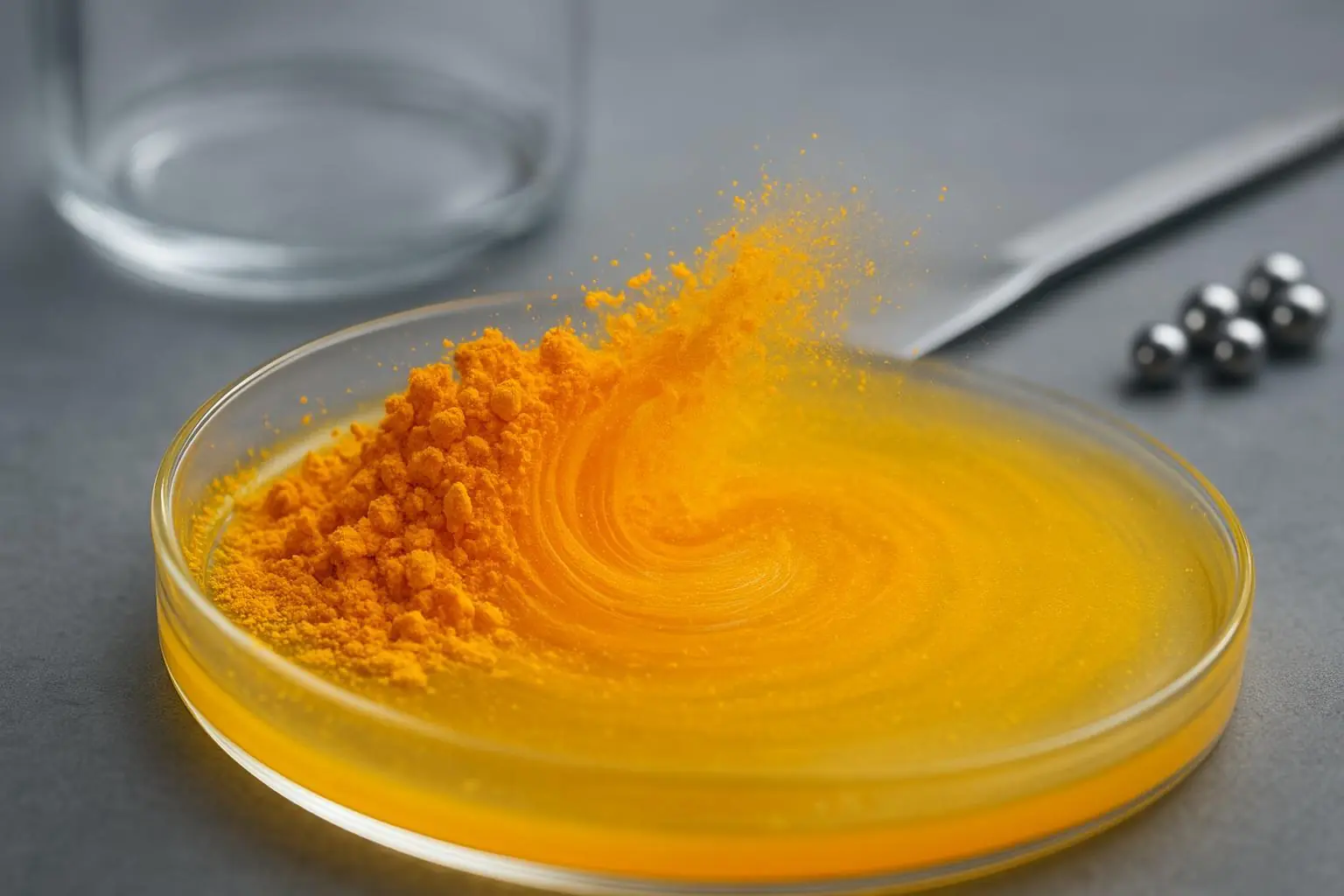
Pigment Yellow 110: The Gold Standard in High-Performance Coloration
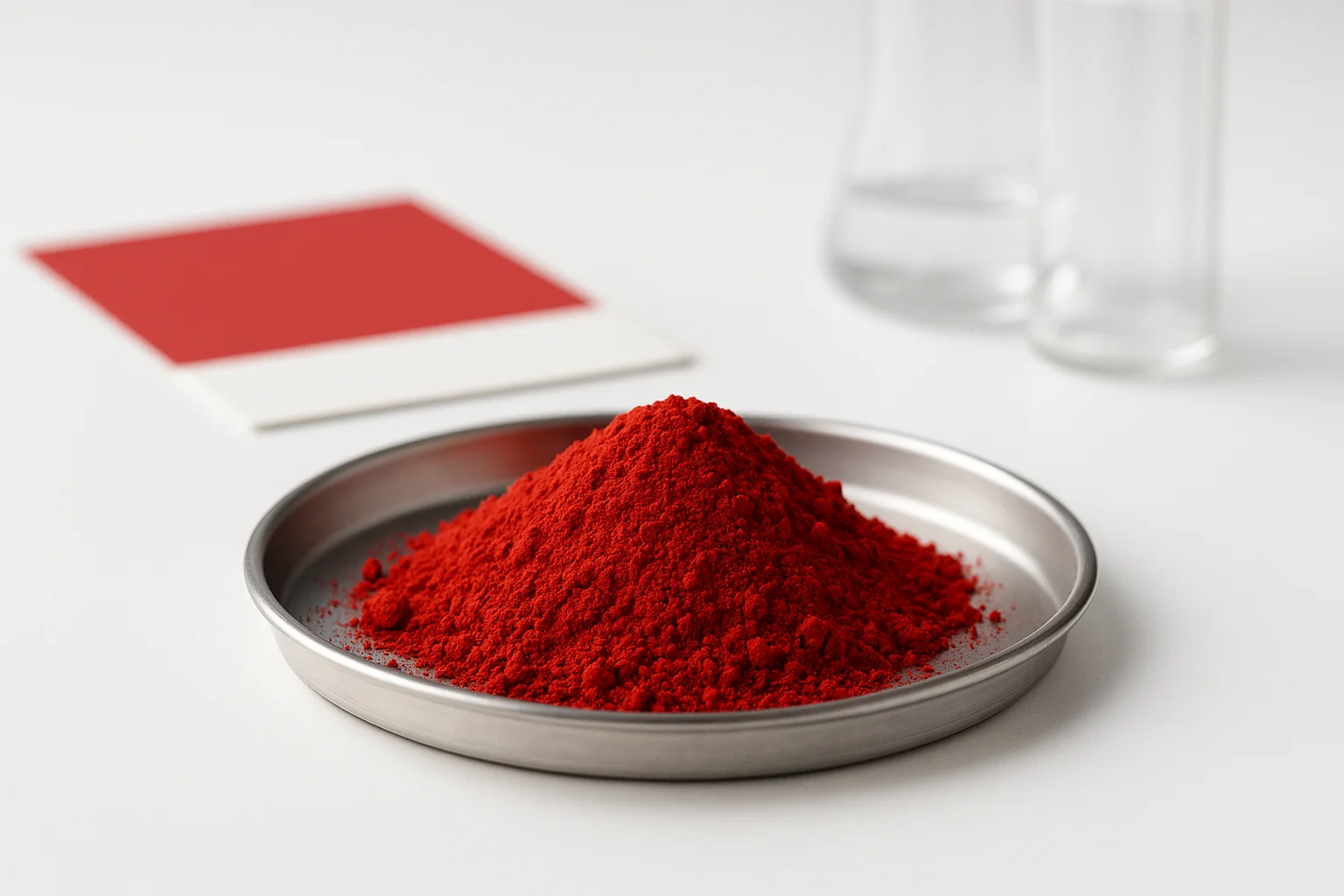
Pigment Red 170 (PR170) Buyer Guide: Qualifying HP Red 2131 for Coatings, Plastics, and Printing Inks
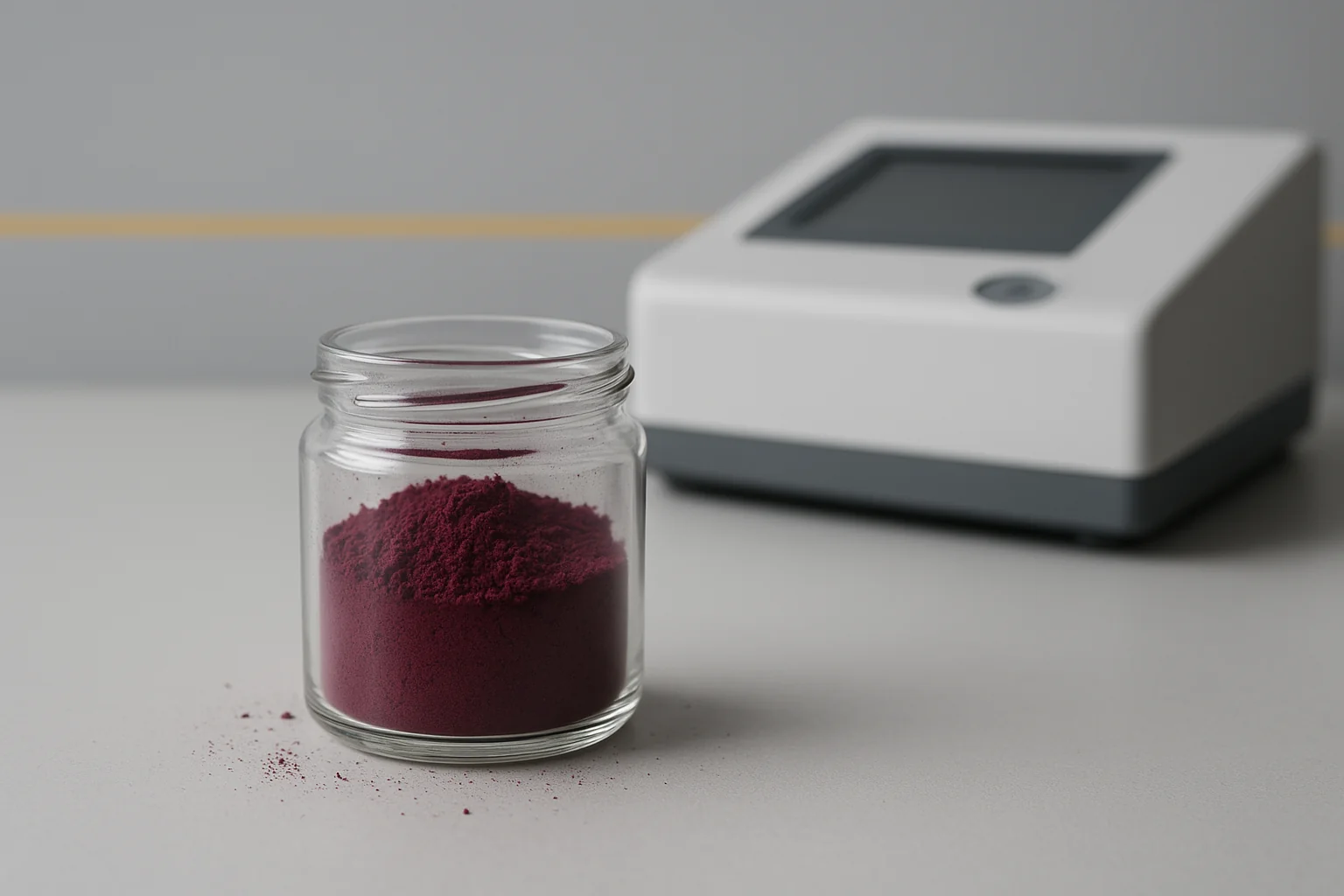
Pigment Violet 23 (PV23): Specs and Buyer Guide for HP Violet 6172
Precision Color Matching in Plastic Compounding with Organic Pigment Masterbatches
Masterbatch Technology Fundamentals
Organic pigment masterbatches represent the cornerstone of precision coloration in plastic compounding, providing concentrated pigment dispersions that ensure consistent, reproducible color outcomes across production runs. Unlike direct pigment addition—which introduces dust exposure, weighing errors, and dispersion variability—masterbatches deliver pigment pre-dispersed in a compatible carrier resin, ready for let-down at the compounder or injection molder.
The Economics of Precision: Why Color Matching Matters
For compounders serving automotive tier-1 suppliers in Germany or consumer electronics OEMs in Korea, color mismatch is measured in hard currency. An off-spec batch of colored ABS or polycarbonate is not just rejected—it represents lost production time, wasted material, and potential penalty clauses. Japanese automotive interior specifications, with ΔE < 0.5 requirements measured under three illuminants (D65, A, and F2), have set the global benchmark for color precision in compounded plastics. Meeting these specifications requires not just accurate formulation but process control that extends from pigment particle size through extrusion screw design.
Compounding and Extrusion Processes
The production of high-quality colored plastic compounds involves sophisticated twin-screw extrusion technology with precise control over critical parameters:
- Temperature profiles (typically 180–320°C depending on polymer type)—PA66 at 280–300°C, PC at 290–310°C, PBT at 250–270°C
- Screw speed and residence time optimization—longer residence improves dispersion but risks thermal degradation of pigment and polymer
- Feed rate synchronization between base polymer and masterbatch—gravimetric feeders with ±0.5% accuracy are standard for precision applications
- Vacuum venting to remove volatiles and prevent surface defects—critical for pigments that carry residual moisture from synthesis
Quality Control and Laboratory Testing
Rigorous quality control protocols ensure color consistency and performance validation. The approach is methodical because the testing itself must be reproducible:
- Spectrophotometer measurements using CIELAB color space (D65 illuminant, 10° observer)—sphere geometry preferred for textured and high-gloss surfaces alike
- ΔE* color difference calculations—target < 0.5 for critical automotive interior applications, < 1.0 for general industrial
- Mechanical property retention testing—notched Izod impact, tensile strength, and flexural modulus must remain within 5% of natural polymer values
- Thermal stability assessment through multiple processing cycles—simulating the heat history a colored compound experiences from compounding through injection molding
Precision Color Matching Workflow
Successful color matching follows a systematic approach. Skipping steps adds time:
- Initial formulation based on target color standard (Pantone, RAL, or customer-supplied physical sample)—computer-aided formulation software provides a starting point using pigment calibration data measured in the target polymer
- Laboratory-scale trials using a small twin-screw extruder (50–200 g batches)—the first physical validation of color match under real processing conditions
- Spectrophotometric analysis and iterative adjustment—typically 2–4 correction rounds for precision applications, comparing reflectance curves, not just ΔE values
- Pilot-scale validation (1–5 kg batches)—confirms scalability with representative residence time and shear history
- Production-scale verification with statistical process control—final gate before release for commercial production
Challenges and Solutions
Common challenges in plastic coloration and their practical solutions:
- Polymer sensitivity: Tailored masterbatch carriers for specific resin types—a masterbatch carrier that works in PP can create delamination defects in PA. For polycarbonate coloring where transparency demands are highest, Solvent Yellow 114 provides outstanding clarity in transparent engineering plastics with solubility that eliminates the haze of particulate pigments.
- Processing temperature effects: Heat-stable pigments with minimal color shift—PY191 demonstrates exceptional thermal stability in engineering polymers, maintaining shade through compounding and subsequent injection molding without measurable color shift.
- Additive interactions: Compatibility testing with flame retardants, UV stabilizers, and processing aids—some phosphorus-based flame retardants can shift the shade of yellow and red pigments through acid-base interactions.
- Batch-to-batch variation: Statistical quality control and raw material certification—pigment suppliers must provide lot-specific color data measured in the target polymer at standardized let-down ratios.
Regional Market Dynamics
Germany: Automotive Standards Drive the Industry
German automotive OEM specifications—particularly for interior color harmony where multiple materials (leather, fabric, painted plastic, grained plastic) must match under multiple lighting conditions—define the ceiling of color matching precision. Masterbatch producers serving this market maintain pigment calibration libraries with thousands of measurements, enabling rapid initial formulation for new color standards.
Japan and Korea: Consumer Electronics Color Precision
Japanese and Korean consumer electronics manufacturers demand exact color matching across different polymers within the same product—a laptop bezel in PC must match the keyboard deck in ABS and the bottom case in PC/ABS blend, all within ΔE < 0.5. Our pigment selection for these applications includes grades validated for multi-polymer color matching, including PY13 grades optimized for consistent shade development across different polymer matrices.
Brazil and Southeast Asia: Scaling Precision
In rapidly industrializing markets, the challenge is establishing color precision at scale—training QC technicians, implementing standardized measurement protocols, and building pigment calibration libraries. Our technical support teams provide on-site color measurement training and formulation assistance to help compounders in these markets meet the same digital color standards used in Europe and Asia.
Pigment Selection for Optimal Color Matching
Pigment selection directly determines the achievable color matching window. Key considerations:
- Spectral characteristics: Pigments with sharp absorption bands enable wider color gamut but are more sensitive to concentration variation. Broad-absorbing pigments are more forgiving but produce duller shades.
- Tinting strength consistency: Lot-to-lot variation in tinting strength greater than ±3% will cause visible color variation in let-down—our standard specification is ±2% maximum.
- Dispersion hardness: Harder-dispersing pigments require longer residence time or higher shear, which may not be achievable in all compounders’ equipment. Pre-dispersed masterbatch formulations eliminate this variable.
- Thermal stability: Pigments that lose 5% of their color strength through the compounding process cannot produce consistent color—our QC protocol tests every production lot for color stability through a simulated compounding cycle.
Future Trends
The future of plastic coloration is moving toward digital color formulation—AI-assisted recipe prediction that reduces matching iterations from weeks to days, sustainable pigments compatible with mechanical and chemical recycling, and enhanced functionality including UV protection and antimicrobial properties. But the fundamentals remain: pigment quality, dispersion control, and measurement precision determine color matching success, regardless of the tools used.
Conclusion
Precision color matching in plastic compounding is a systems challenge. The pigment, the masterbatch carrier, the extrusion process, and the measurement protocol must all be controlled. Our approach starts with pigment lot consistency (ΔE < 0.3 between production lots in standard let-down) and extends through technical support for formulation, processing, and quality control—because the best pigment in the world cannot deliver precision color if the other elements of the system are out of alignment.
Start Your Color Matching Project
We offer complimentary color matching consultations including pigment selection recommendations and starting-point formulations. Provide your color standard (physical sample or spectral data), polymer type, and processing conditions, and our lab will return initial match data within 5 working days.
Contact our plastics color matching team → to begin your project.
Disclaimer: The information provided on this page is for general reference purposes only and does not constitute professional advice. Product specifications and regulatory compliance requirements may vary by application, region, and end-use. Always verify technical data with our team and consult relevant regulations (REACH, TSCA, GB standards) for your specific use case. Honor Pigment makes no warranties, express or implied, regarding the suitability of any product for a particular application. Always request and review the current Technical Data Sheet (TDS) and Safety Data Sheet (SDS) before use.
 English (UK)
  Español
  Português
  Français
  Русский
  Türkçe
  العربية
  Bahasa Indonesia
  한국어
한국어  Čeština
  Nederlands
  עִבְרִית
  Ελληνικά
  日本語
日本語  Italiano
  Português do Brasil
  Deutsch
  Română
  Español de Argentina
  Irish
Irish  Español de Colombia
  Dansk
Dansk  Қазақ тілі
  Монгол
  Español de México
  O‘zbekcha
  Shqip
Shqip  English (South Africa)
  Deutsch (Österreich)
  Español de Chile