
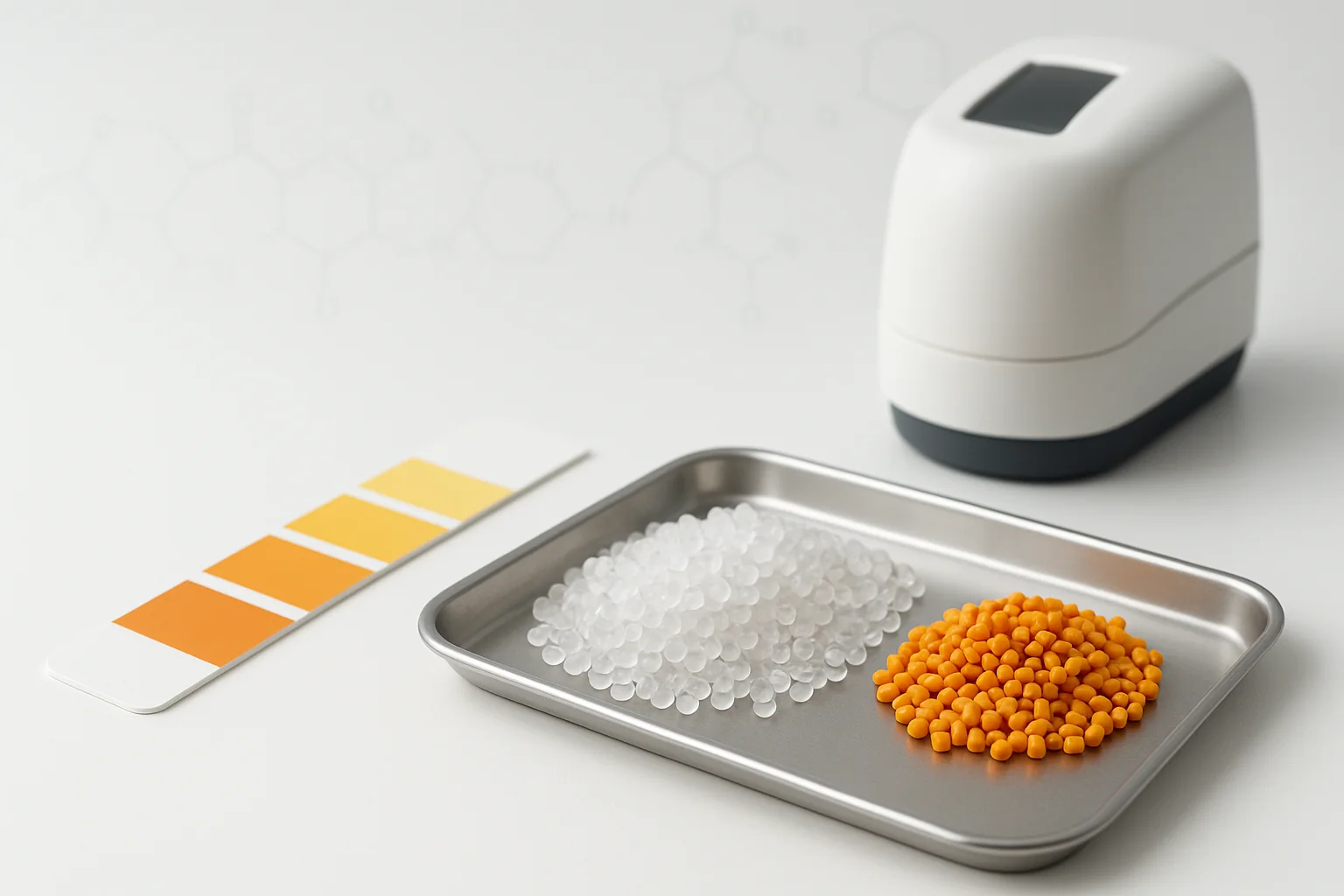
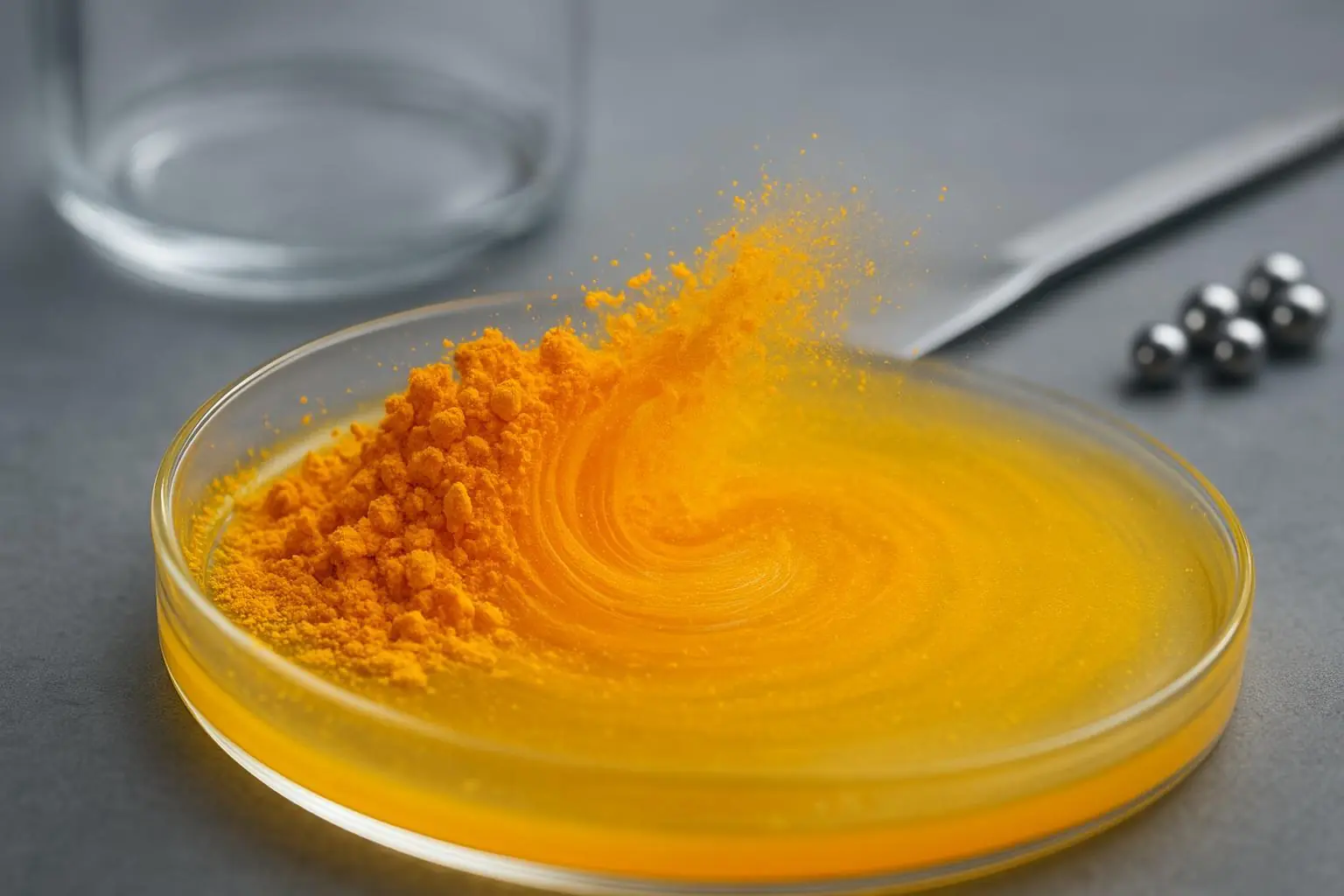
Pigment Yellow 110: The Gold Standard in High-Performance Coloration
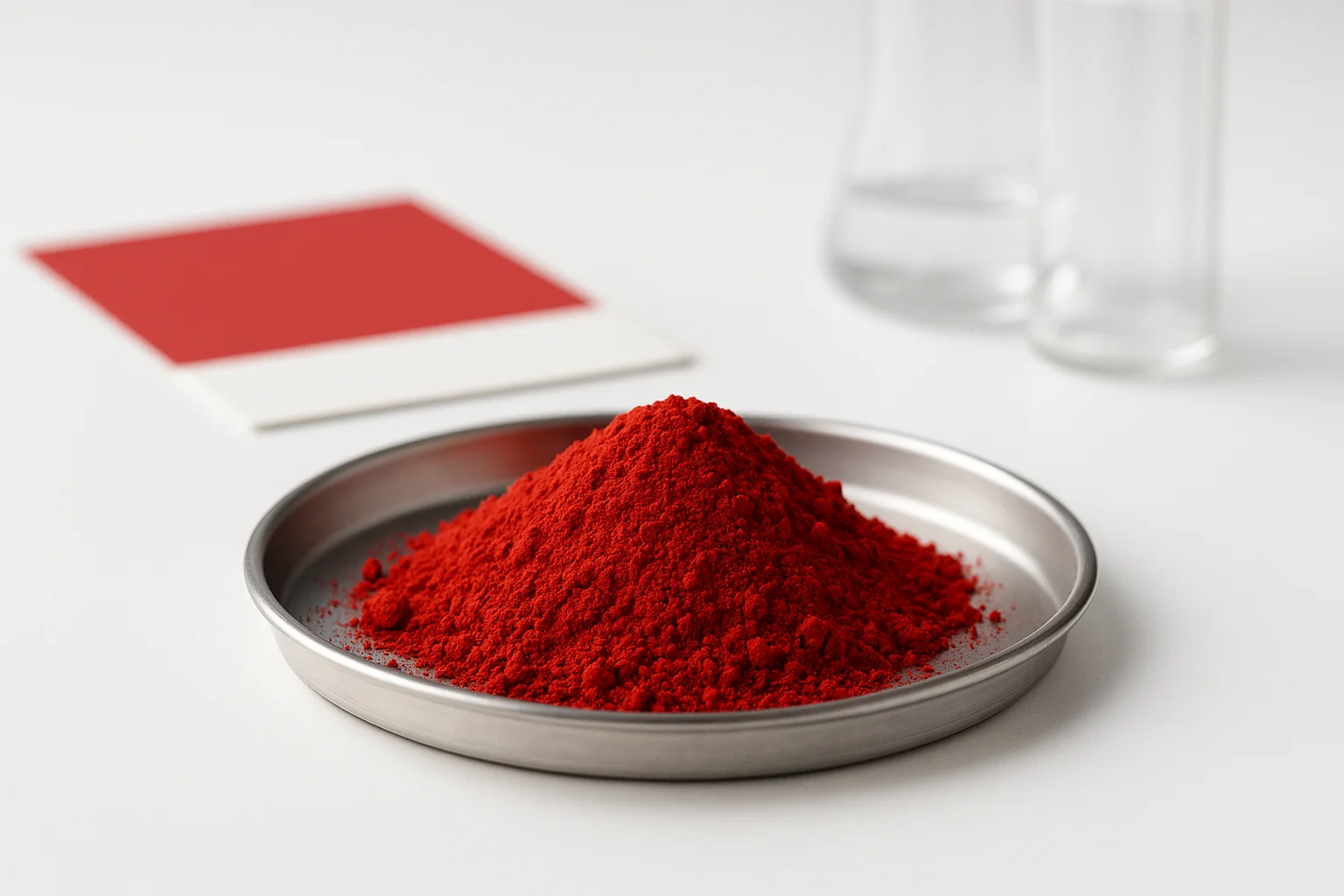
Pigment Red 170 (PR170) Buyer Guide: Qualifying HP Red 2131 for Coatings, Plastics, and Printing Inks
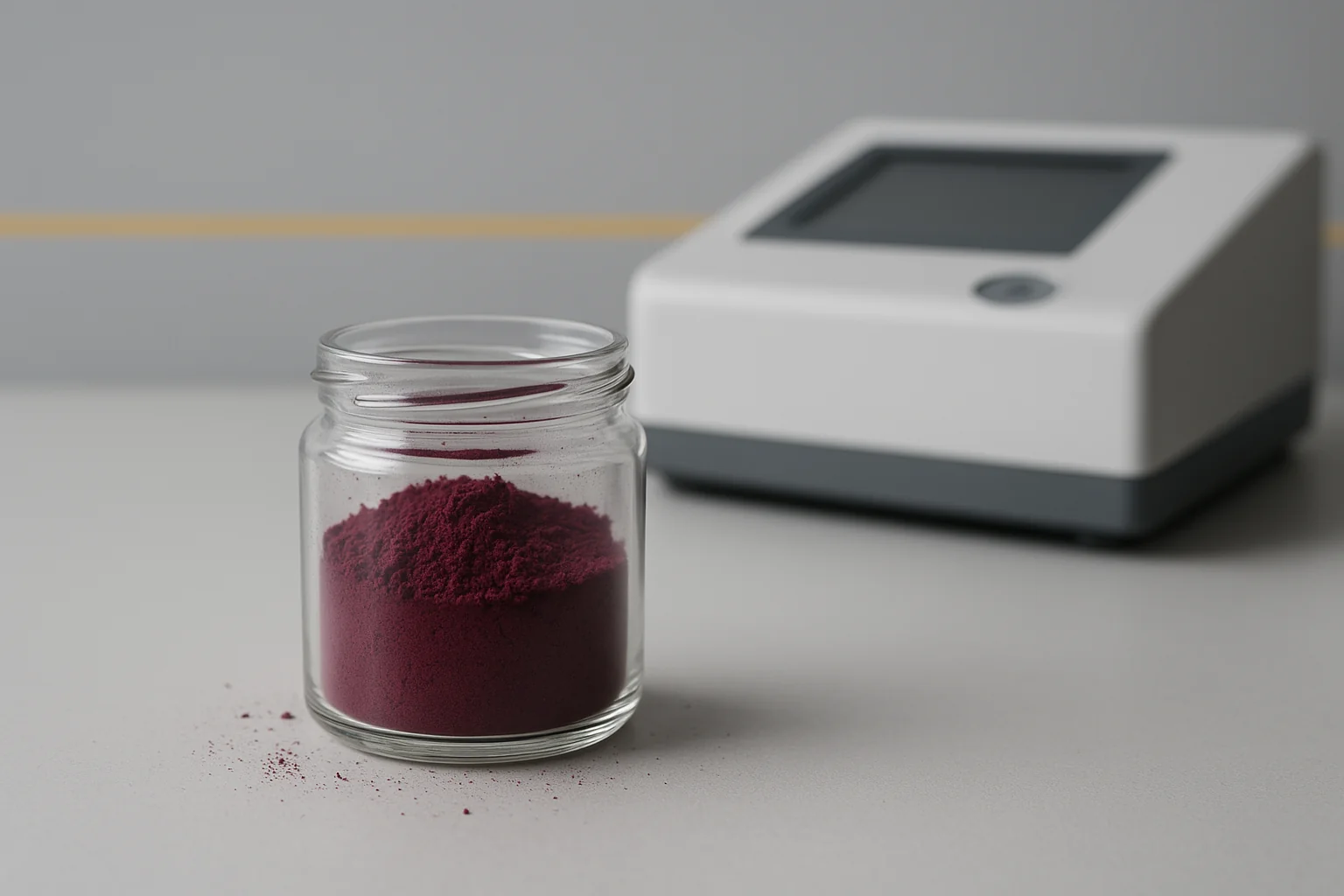
Pigment Violet 23 (PV23): Specs and Buyer Guide for HP Violet 6172
Pigment Yellow 191 in Plastics: Heat Resistance, Lightfastness, and Migration Performance (P.Y.191 / PY191)
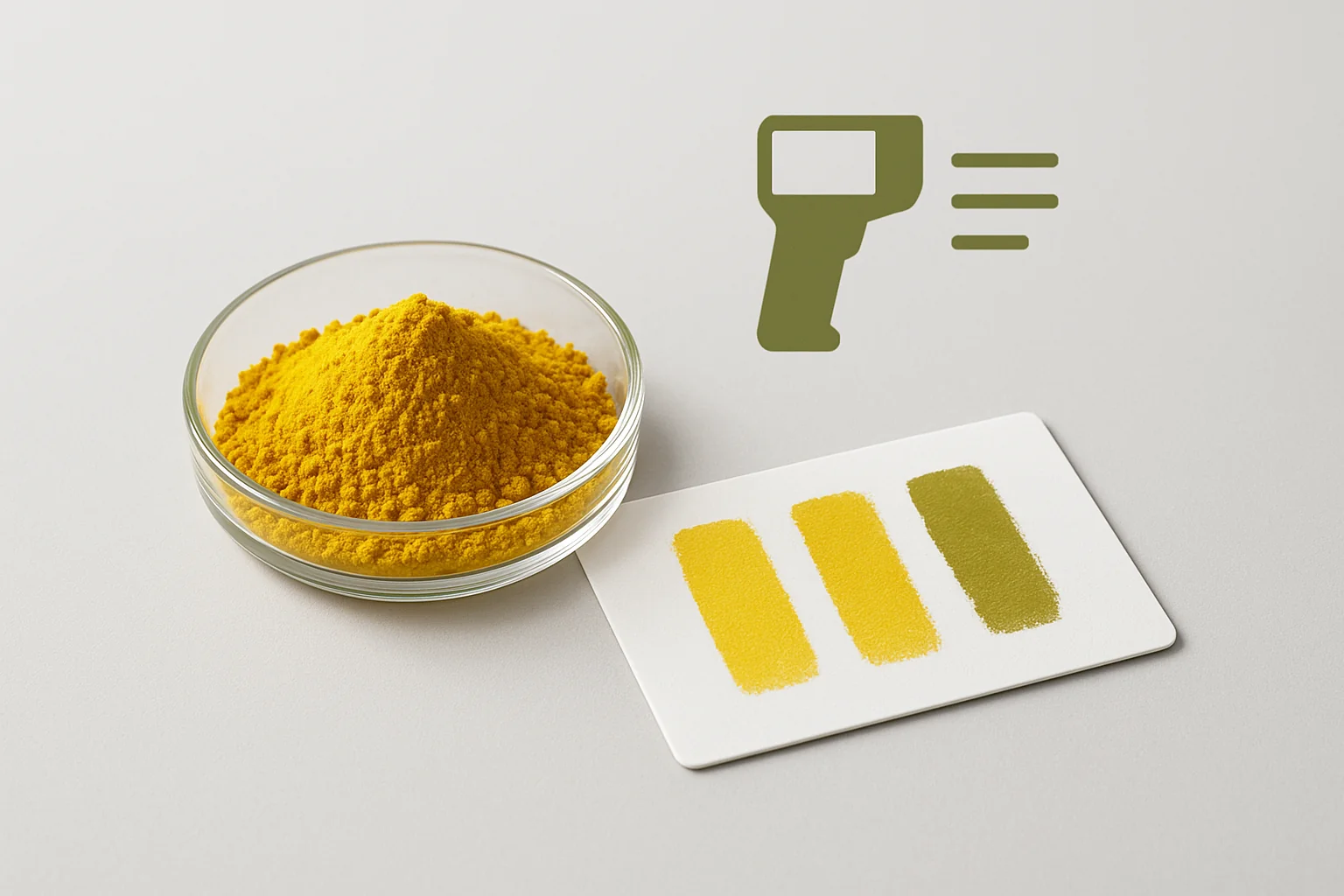
Pigment Yellow 151 (PY151) Buyer Checklist: Specs, Fastness, and Qualification
Industry Requirements
Engineering plastics used in electronics, automotive, and industrial applications require pigments that maintain performance under extreme conditions while providing consistent coloration.
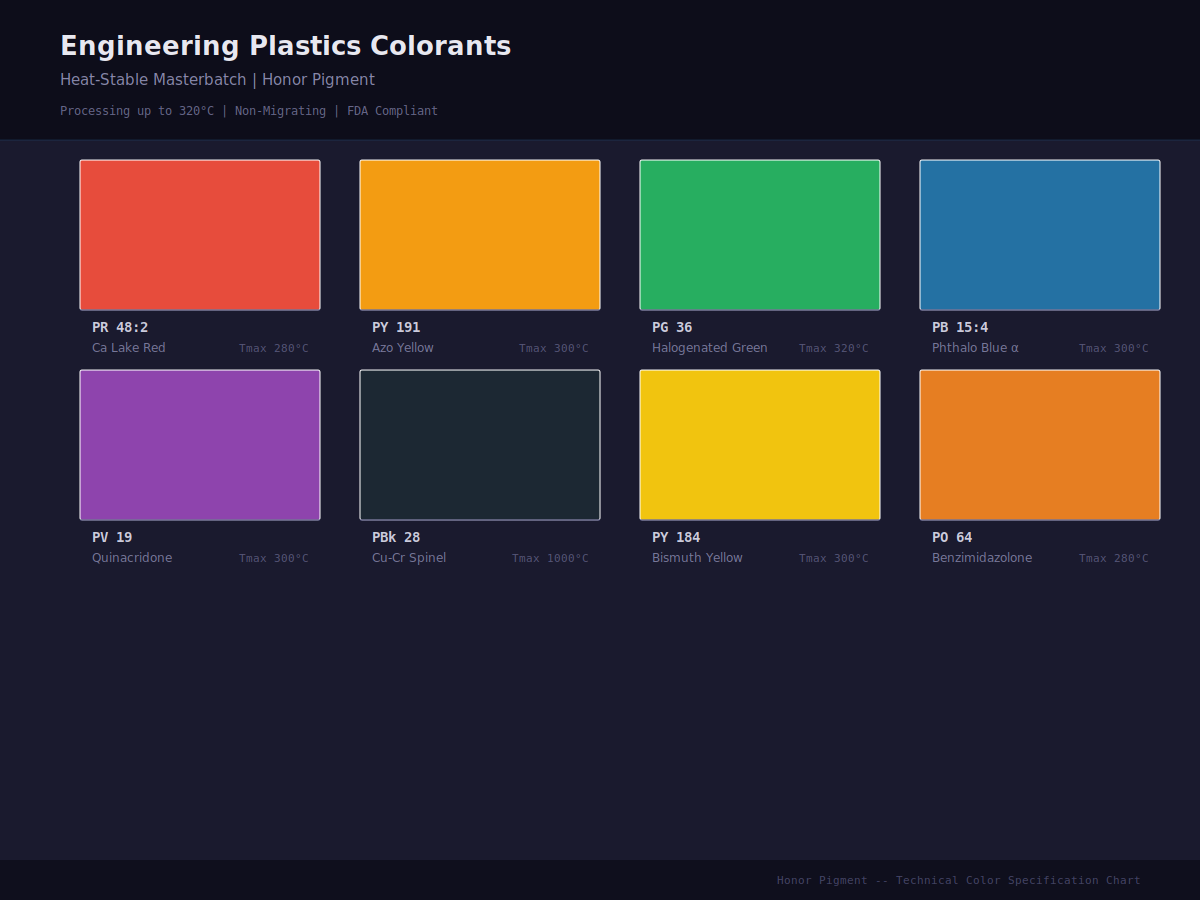
Key Performance Criteria
- Heat stability during processing (280-320°C)
- Resistance to hydrolysis and oxidation
- Non-migrating properties
- Electrical insulation compatibility
- Regulatory compliance (FDA, EU food contact)
Technical Innovation
Our high-temperature stable pigments feature:
- Surface-modified crystal structures
- Optimized particle size distribution (0.1-0.5μm)
- Enhanced compatibility with engineering polymers
- Low heavy metal content (<5ppm)
Application Benefits
Successful implementation in electronic housings demonstrated:
- No degradation during injection molding cycles
- Consistent L*a*b* values across production runs
- Improved mechanical properties retention
- Reduced scrap rates by 12%
Future Developments
Ongoing research focuses on bio-based carrier systems and improved recyclability without compromising performance.
 English (UK)
  Español
  Português
  Français
  Русский
  Türkçe
  العربية
  Bahasa Indonesia
  한국어
한국어  Čeština
  Nederlands
  עִבְרִית
  Ελληνικά
  日本語
日本語  Italiano
  Português do Brasil
  Deutsch
  Română
  Español de Argentina
  Irish
Irish  Español de Colombia
  Dansk
Dansk  Қазақ тілі
  Монгол
  Español de México
  O‘zbekcha
  Shqip
Shqip  English (South Africa)
  Deutsch (Österreich)
  Español de Chile