

Advanced Coating Solutions for Automotive Applications
High-Performance Pigments for Engineering Plastics
Pigment Yellow 110: The Gold Standard in High-Performance Coloration
Pigment Red 170 (PR170) Buyer Guide: Qualifying HP Red 2131 for Coatings, Plastics, and Printing Inks
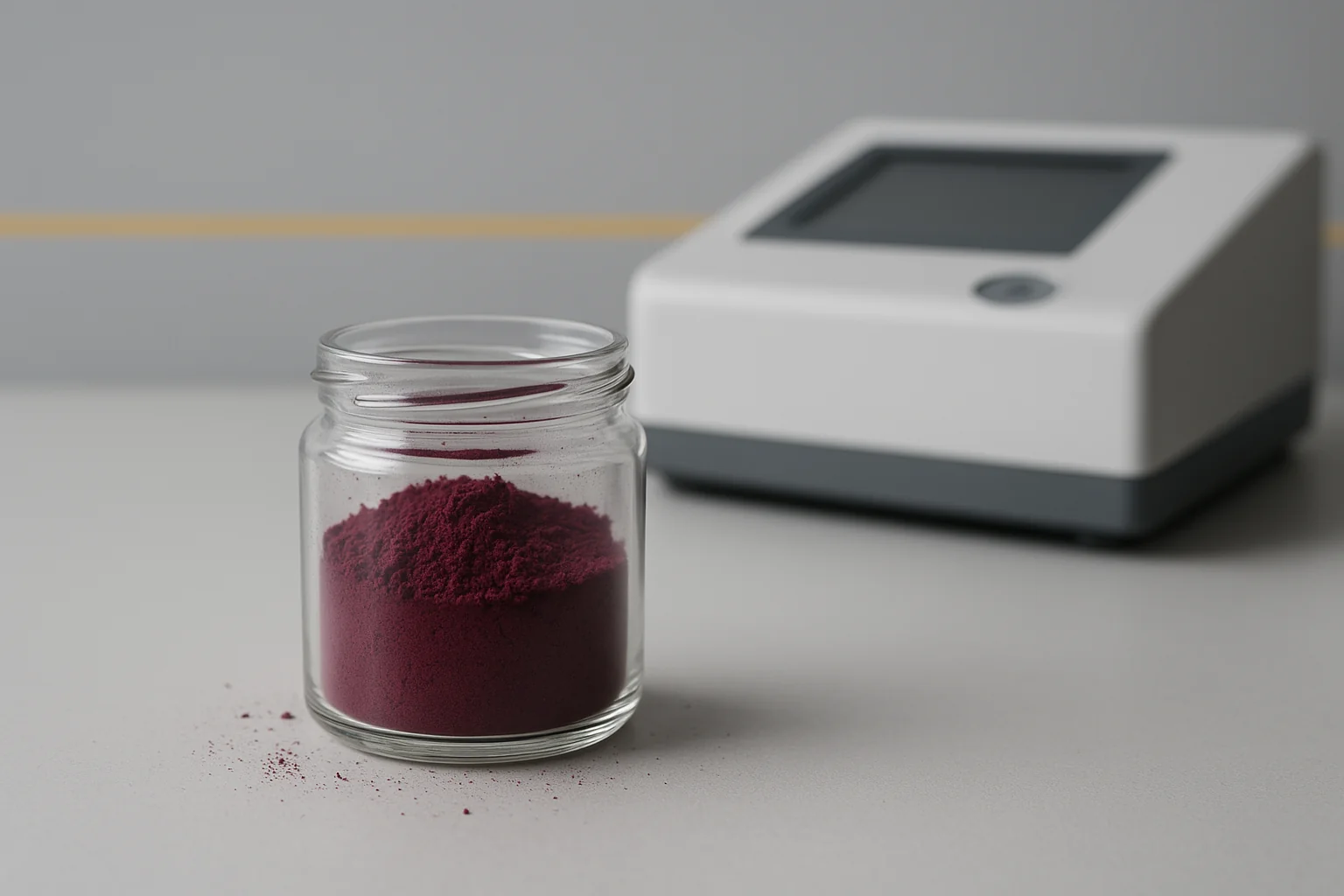
Pigment Violet 23 (PV23): Specs and Buyer Guide for HP Violet 6172
Advanced Coating Solutions for Automotive Applications: High-Performance Pigment Technology for Next-Generation Vehicle Finishes
Introduction
The automotive coatings sector operates at the intersection of aesthetic performance, extreme durability requirements, and increasingly stringent environmental regulation. Original equipment manufacturers (OEMs) and tier-one coating suppliers demand pigment technologies that deliver consistent color across complex three-dimensional substrates, maintain appearance through years of UV exposure and thermal cycling, and comply with chemical substance restrictions across all major vehicle-producing regions—from Germany and Japan to South Korea and Brazil.
Meeting these performance criteria requires more than incremental formulation adjustments. It demands purpose-engineered pigment chemistry: precisely controlled particle morphology, tailored surface treatments for optimized dispersion in modern low-VOC coating systems, and molecular structures selected for intrinsic resistance to photochemical degradation. At Honor Pigments, our advanced coating pigment portfolio is built on a foundation of organic-inorganic hybrid architectures and rigorously characterized pigment grades that give formulators the tools to develop coating systems meeting the most demanding OEM specifications while supporting the industry’s ongoing transition to lower-emission application technologies. This article examines the technical challenges, pigment solutions, qualification methodologies, and regional market dynamics shaping the global automotive coatings landscape.
Introduction to Automotive Coating Requirements
The automotive industry demands high-performance coatings that provide exceptional durability, weather resistance, and aesthetic appeal. Our specialized pigment formulations address these requirements through innovative chemical engineering.
Technical Challenges
Automotive coating formulators face a matrix of interrelated technical challenges that directly influence pigment selection:
- UV degradation resistance: Exterior automotive coatings must resist color fade and gloss loss through years of solar exposure. In tropical markets including Brazil, Thailand, and Indonesia—as well as high-insolation regions of the southern United States and Australia—total annual UV dosage can exceed 140 kLy, accelerating photochemical degradation in inadequately stabilized systems.
- Thermal stability up to 200°C: Online paint shop curing cycles for OEM body coatings typically operate at 140-180°C for 20-30 minutes. Pigments must maintain color integrity with minimal shade drift through these thermal excursions and through subsequent repair-bake cycles. High-performance organic pigments must demonstrate ΔE* values below 1.0 after multiple heat cycles to meet automotive OEM specifications.
- Chemical resistance to automotive fluids: Coatings must resist degradation from exposure to gasoline, diesel, brake fluid, battery acid electrolyte, washer solvents, and road de-icing chemicals. Cross-hatch adhesion testing after fluid immersion is a standard OEM qualification requirement.
- Consistent color matching across production batches: Automotive OEMs maintain color harmony standards with tolerances typically specified at ΔE* < 0.8 under D65/10° illuminant/observer conditions across all coated body components—metal panels and plastic trim parts coated on separate lines and in different plants. Pigment batch-to-batch consistency is a foundational requirement for achieving this level of color control.
Technical Overview: Pigment Architecture for Automotive-Grade Durability
The performance demands of automotive coating systems have driven the development of specialized pigment technologies that go well beyond conventional organic pigment chemistry:
Organic-Inorganic Hybrid Structures
Our proprietary organic-inorganic hybrid pigments combine the chromatic strength and purity of organic chromophores with the physical robustness of inorganic substrates. The core-shell architecture involves encapsulating high-performance organic pigment particles within a nano-scale inorganic matrix—typically silica or metal-oxide-based—that provides a physical barrier against photochemical attack while maintaining the coloristic properties of the organic core. This hybrid approach achieves lightfastness ratings of 8+ on the Blue Wool Scale, comparable to the best-in-class automotive-grade pigments, while offering broader color space coverage than purely inorganic alternatives.
Surface Treatment for Modern Coating Systems
The automotive industry’s migration from medium-solids solvent-borne coatings to high-solids, waterborne, and powder coating technologies has fundamental implications for pigment dispersion behavior. Waterborne basecoat systems—now the dominant OEM technology in European, Japanese, and Korean production—require pigments with precisely engineered surface hydrophilicity to achieve stable, agglomerate-free dispersion without the wetting agents available in solvent-borne formulations. Our surface treatment protocols are customized by pigment chemistry and target coating system, verified through rheological characterization and grindometry across representative let-down ratios.
Transparent Iron Oxide and Effect Pigment Compatibility
Modern automotive styling increasingly incorporates multi-layer effect finishes combining organic transparent pigments, aluminum flake, and interference pigments. The interaction between these components—particularly flocculation effects that can shift color and reduce chroma—must be characterized for each formulation. Our automotive pigment grades are pre-screened for compatibility with leading-effect pigment systems to reduce formulator trial-and-error cycles during color development.
Our Solution
Our proprietary organic-inorganic hybrid pigments combine the best properties of both material classes. The core-shell structure provides:
- Enhanced lightfastness (8+ on Blue Wool Scale)
- Superior heat resistance without color shift
- Excellent dispersion stability in solvent-based systems
- Reduced VOC emissions through optimized formulation
Application Segments: Automotive Coating Systems and Pigment Requirements
OEM Basecoat/Clearcoat Systems
The dominant OEM finishing technology globally, basecoat/clearcoat systems demand pigments with exceptional transparency for effect finishes, tight particle size control for rheology management in high-solids formulations, and complete compatibility with crosslinking chemistries (melamine-formaldehyde, isocyanate, and silane-based). Color development laboratories at German and Japanese OEMs routinely require 12-18 month material approval timelines, making pigment qualification a strategic decision for coating suppliers.
Automotive Refinish
The refinish segment demands rapid color matching capability—often within 30 minutes of vehicle arrival—using pigment formulations that cure at lower temperatures (60-80°C or even ambient) while achieving appearance quality matching the original OEM finish. This requires pigment grades with broad compatibility across diverse resin chemistries and accelerated dry conditions. Our PR170 alternatives for automotive and industrial coating applications deliver the color purity and fastness properties refinish formulators require, with documented equivalency to established reference grades.
Plastic Part Coatings
Bumpers, mirror housings, spoilers, and interior trim components are coated on separate lines from body panels—yet must match exactly in color and appearance under multiple lighting conditions (D65 daylight, A incandescent, and TL84 fluorescent). The lower bake temperatures dictated by thermoplastic substrate heat deflection limits require pigment grades that develop full color strength at reduced cure temperatures. Our high-performance pigment portfolio for engineering plastics addresses the related but distinct challenges of mass-pigmented automotive plastic components.
Powder Coatings for Automotive Components
Powder coating technology is expanding beyond underbody and engine compartment applications into visible exterior trim and accessory components. Pigments for powder coatings must withstand the thermal demands of extrusion compounding (typically 90-120°C) and curing (160-200°C). For guidance on pigment selection for demanding thermal environments, refer to our ultimate guide to PY74 performance in industrial coating applications, which addresses thermal stability evaluation methodology applicable across multiple pigment chemistries.
Case Study Results
Implementation with European automotive OEM resulted in:
- 15% reduction in coating application costs
- Extended service life by 3+ years
- Zero warranty claims related to color fading
- Compliance with REACH and RoHS regulations
Qualification Criteria: Automotive Pigment Evaluation and Approval
The automotive pigment qualification process is among the most rigorous in the coatings industry. Procurement and technical teams should structure supplier evaluations around these criteria:
Comprehensive fastness documentation: Automotive-grade pigments require full characterization of lightfastness (Xenon arc per ISO 105-B02, target ≥ 7-8 Blue Wool Scale), weather fastness (accelerated weathering per SAE J2527 or ISO 4892-2, typically 3,000-5,000 hours), heat resistance (30 minutes at 180°C minimum), and chemical resistance against a panel of automotive fluids. Suppliers should provide test data from ISO 17025-accredited laboratories or equivalent in-house facilities with documented measurement uncertainty.
Color data and batch consistency: Full spectral reflectance data (400-700 nm at 10 nm intervals) under D65/10° conditions, supported by statistical process control charts showing ΔE* distribution across a minimum of 20 consecutive production batches. For a comprehensive overview of pigment qualification methodology, our PR170 buyer guide provides a detailed framework applicable to evaluating any organic pigment supplier for coating applications.
Regulatory compliance for global vehicle production: Vehicles are global products—pigments qualified in Germany must also meet the regulatory requirements of every market where the finished vehicle will be sold. Suppliers must provide REACH registration confirmation, compliance statements for EU ELV Directive 2000/53/EC (restricting lead, cadmium, mercury, and hexavalent chromium), and declarations aligned with the Global Automotive Declarable Substance List (GADSL) maintained by the International Material Data System (IMDS).
Supply security and change management: Automotive coating formulations, once qualified, remain in production for five to seven years or longer. Suppliers must commit to advance notification of any manufacturing process change (typically minimum six months), maintain safety stock of critical intermediates, and demonstrate multi-site or contingency production capability.
Regional Market Insights: Automotive Coating Dynamics Across Key Manufacturing Regions
Germany and European OEMs: German automotive manufacturers—including Volkswagen Group, BMW, Mercedes-Benz, and their tier-one coating suppliers—set global benchmarks for coating performance specifications and environmental standards. German OEMs have led the industry transition to waterborne basecoat technology, with adoption exceeding 95% across European assembly plants. The German market’s emphasis on documented durability testing, full material disclosure, and audited manufacturing practices creates a high barrier to supplier qualification that, once achieved, represents a durable competitive position. European OEMs are expected to progressively tighten VOC limits through the Industrial Emissions Directive revision, further accelerating the adoption of ultra-low-VOC and waterborne coating technologies.
Japan: Japanese OEMs—Toyota, Honda, Nissan, and their keiretsu-affiliated coating suppliers—maintain distinctive qualification requirements emphasizing precision color matching, surface appearance quality (distinctness-of-image and orange peel metrics), and long-term supplier relationships. Japanese automotive coating specifications often include proprietary test methods supplementing ISO and ASTM standards, requiring suppliers to invest in market-specific application testing capability.
South Korea: Hyundai Motor Group’s rapid global expansion has elevated Korean automotive coating specifications to world-class levels. Korean OEMs benchmark directly against German and Japanese quality standards, while the domestic presence of advanced chemical manufacturers creates a competitive supply base for coating raw materials. The Korean automotive sector’s emphasis on productivity and line speed (some Korean paint shops achieve throughput exceeding 60 jobs per hour) places particular demands on pigment wetting, dispersion speed, and color development kinetics.
Brazil and South America: Brazil hosts major production facilities for Fiat, Volkswagen, General Motors, and Toyota, serving both the large domestic market and regional exports. The Brazilian automotive coating market reflects European technical influence through the strong presence of European OEMs and tier-one suppliers. Tropical climate conditions—high UV dosage combined with humidity and industrial atmospheric pollutants in the São Paulo region—impose particularly demanding accelerated weathering requirements on exterior coating systems sold into this market.
Southeast Asia: Thailand has emerged as the “Detroit of Asia” for automotive manufacturing, hosting extensive production operations for Japanese, American, and European OEMs serving both domestic and export markets. Indonesia, Vietnam, and Malaysia are expanding automotive coating capacity as vehicle production grows. The region’s combination of tropical climate, varying substrate supply chains, and diverse OEM specifications from European, Japanese, and American parent companies creates a complex pigment qualification environment requiring broad product portfolio flexibility.
Sustainability and Regulatory Compliance
Automotive coating sustainability extends beyond VOC content to encompass the full pigment lifecycle:
- Heavy metal elimination: Our automotive pigment grades are manufactured without intentional addition of lead, cadmium, mercury, or hexavalent chromium compounds, supporting full compliance with EU ELV Directive 2000/53/EC and its global equivalents including Japan’s J-MOSS and Korea’s K-REACH restrictions.
- GADSL and IMDS conformance: All products are evaluated against the Global Automotive Declarable Substance List (GADSL), with declarations structured for direct entry into customer IMDS (International Material Data System) submissions—a mandatory requirement for supplying all major German, Japanese, and Korean OEMs.
- Process emissions control: Pigment manufacturing operations serving the automotive sector operate under ISO 14001-certified environmental management systems, with air emission abatement, wastewater treatment, and solid waste management practices documented and externally audited.
- Lifecycle assessment alignment: We support customer LCA data requests with cradle-to-gate inventory data for key automotive pigment grades, enabling coating suppliers and OEMs to calculate product carbon footprints for scope 3 emissions reporting under the GHG Protocol.
Conclusion
Advanced pigment technology enables next-generation automotive coatings that meet stringent multi-regional performance requirements—from German OEM durability specifications to Korean productivity demands and Brazilian tropical weathering conditions—while supporting the industry’s ongoing environmental compliance objectives. Honor Pigments’ automotive-grade pigment portfolio, built on organic-inorganic hybrid architectures and backed by comprehensive fastness documentation, provides coating formulators and OEM approval teams with the technical foundation needed to develop differentiated, durable, and globally compliant coating systems.
For specification support, sample requests, or technical consultation regarding your automotive coating program, visit our complete product catalog or contact our automotive coatings technical team to discuss your specific color, performance, and regulatory requirements.
Disclaimer: The information provided on this page is for general reference purposes only and does not constitute professional advice. Product specifications and regulatory compliance requirements may vary by application, region, and end-use. Always verify technical data with our team and consult relevant regulations (REACH, TSCA, GB standards) for your specific use case. Honor Pigment makes no warranties, express or implied, regarding the suitability of any product for a particular application. Always request and review the current Technical Data Sheet (TDS) and Safety Data Sheet (SDS) before use.
 English (UK)
  Español
  Português
  Français
  Русский
  Türkçe
  العربية
  Bahasa Indonesia
  한국어
한국어  Čeština
  Nederlands
  עִבְרִית
  Ελληνικά
  日本語
日本語  Italiano
  Português do Brasil
  Deutsch
  Română
  Español de Argentina
  Irish
Irish  Español de Colombia
  Dansk
Dansk  Қазақ тілі
  Монгол
  Español de México
  O‘zbekcha
  Shqip
Shqip  English (South Africa)
  Deutsch (Österreich)
  Español de Chile