
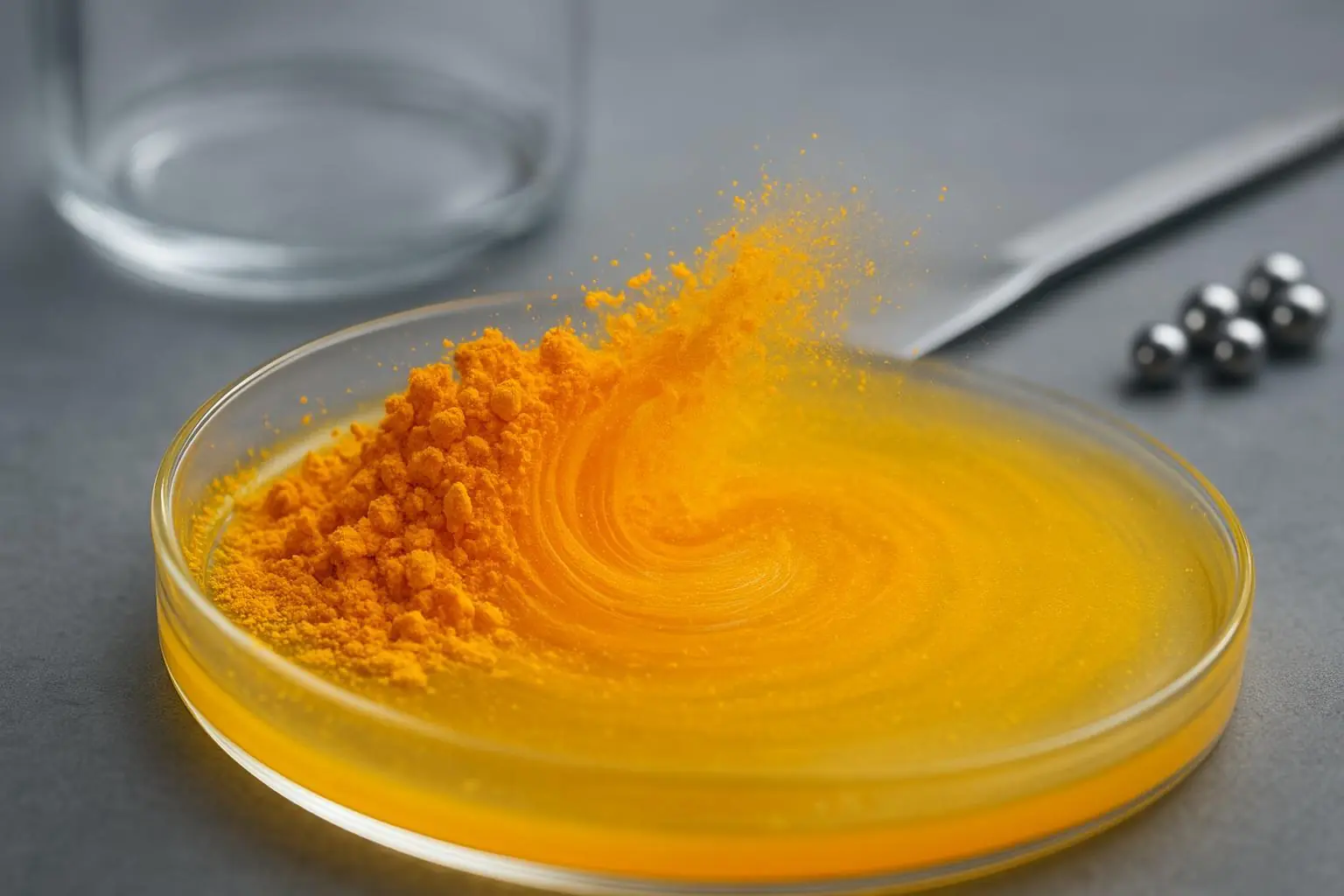
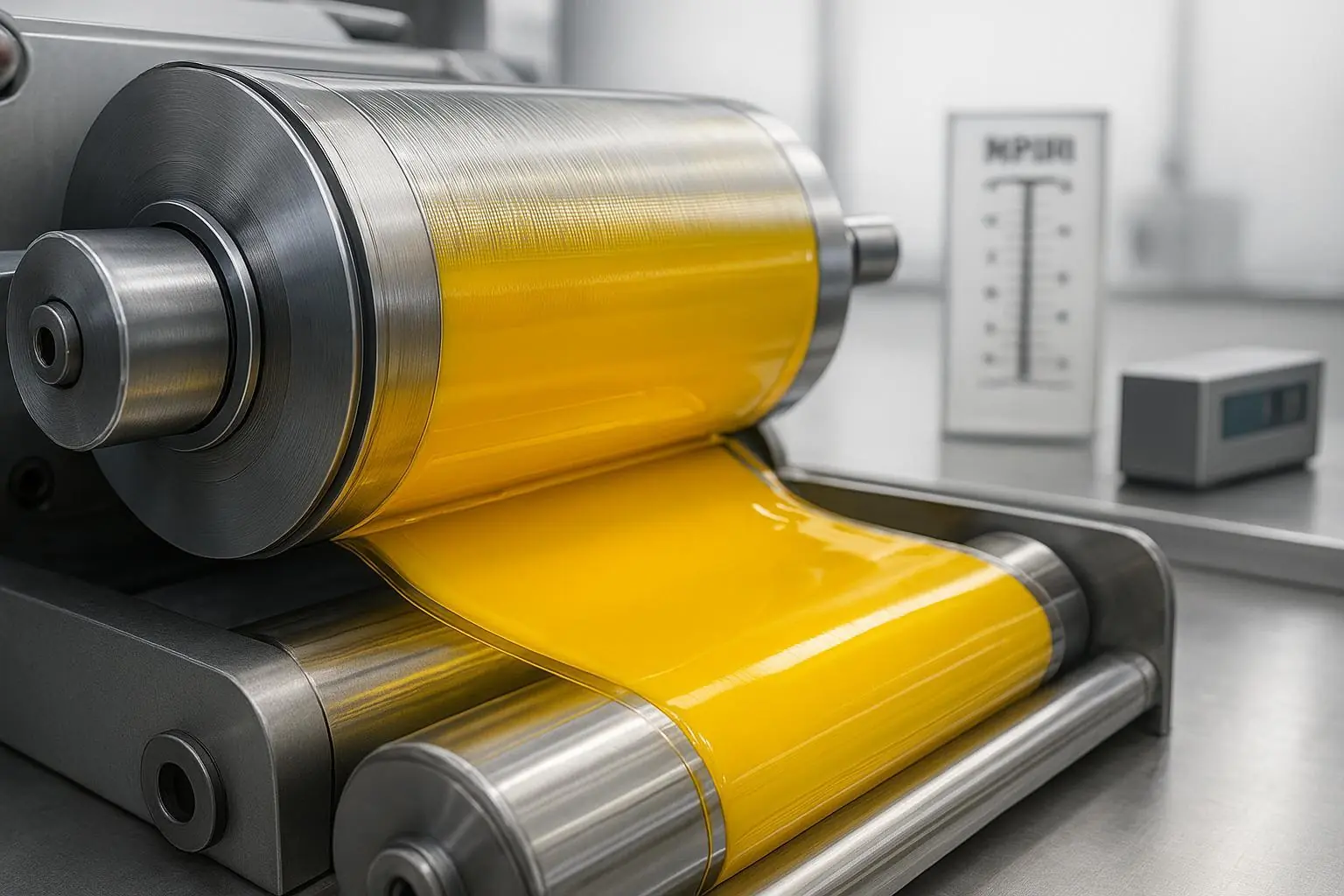
Solvent Bazlı Gravür ve Flekso Mürekkepler için Pigment Sarı 14: Film ve Kağıt Üzerinde Yüksek Akış ve Yüksek Parlaklık
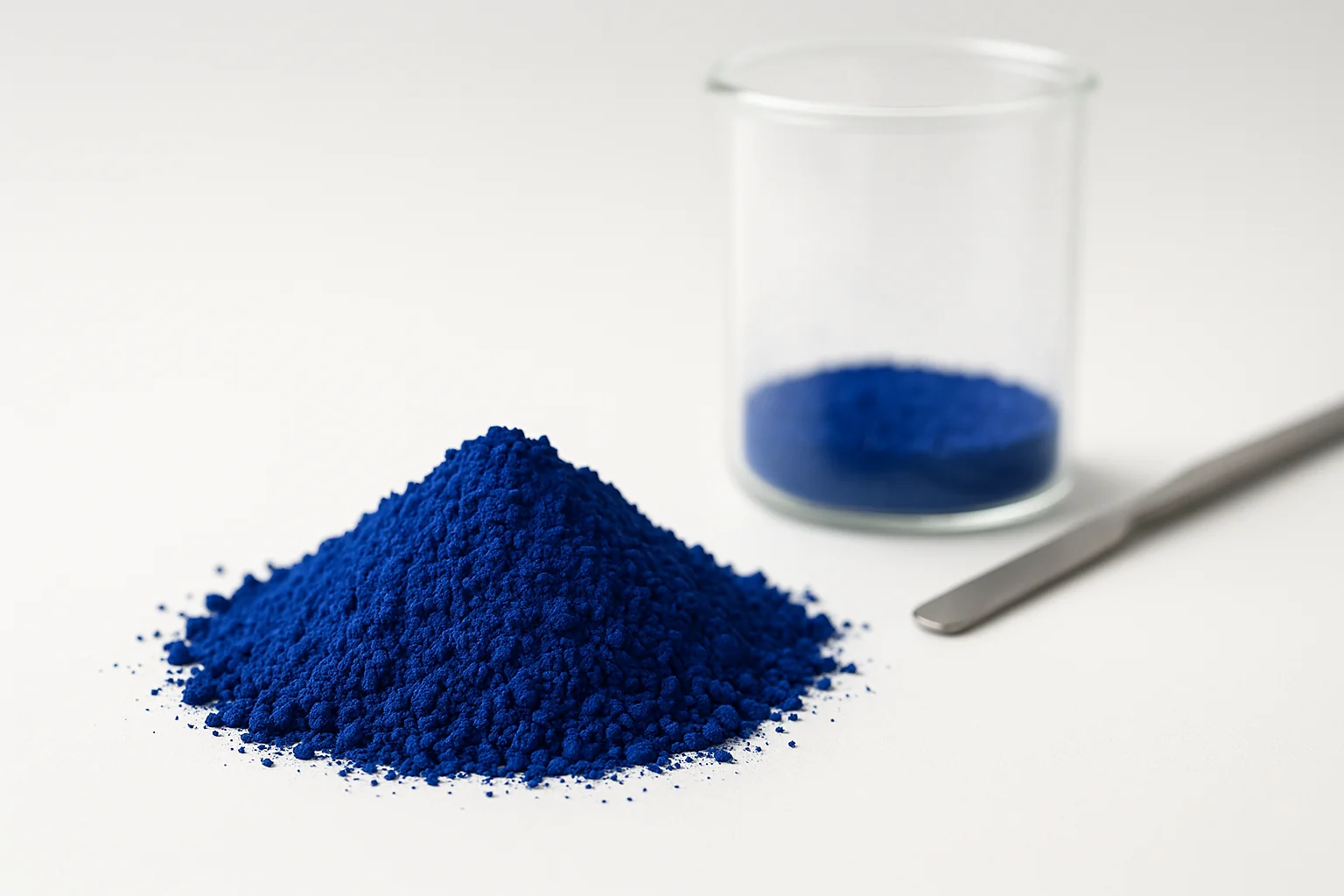
Pigment Blue 15:0 (PB15:0): definition, properties, and where it fits
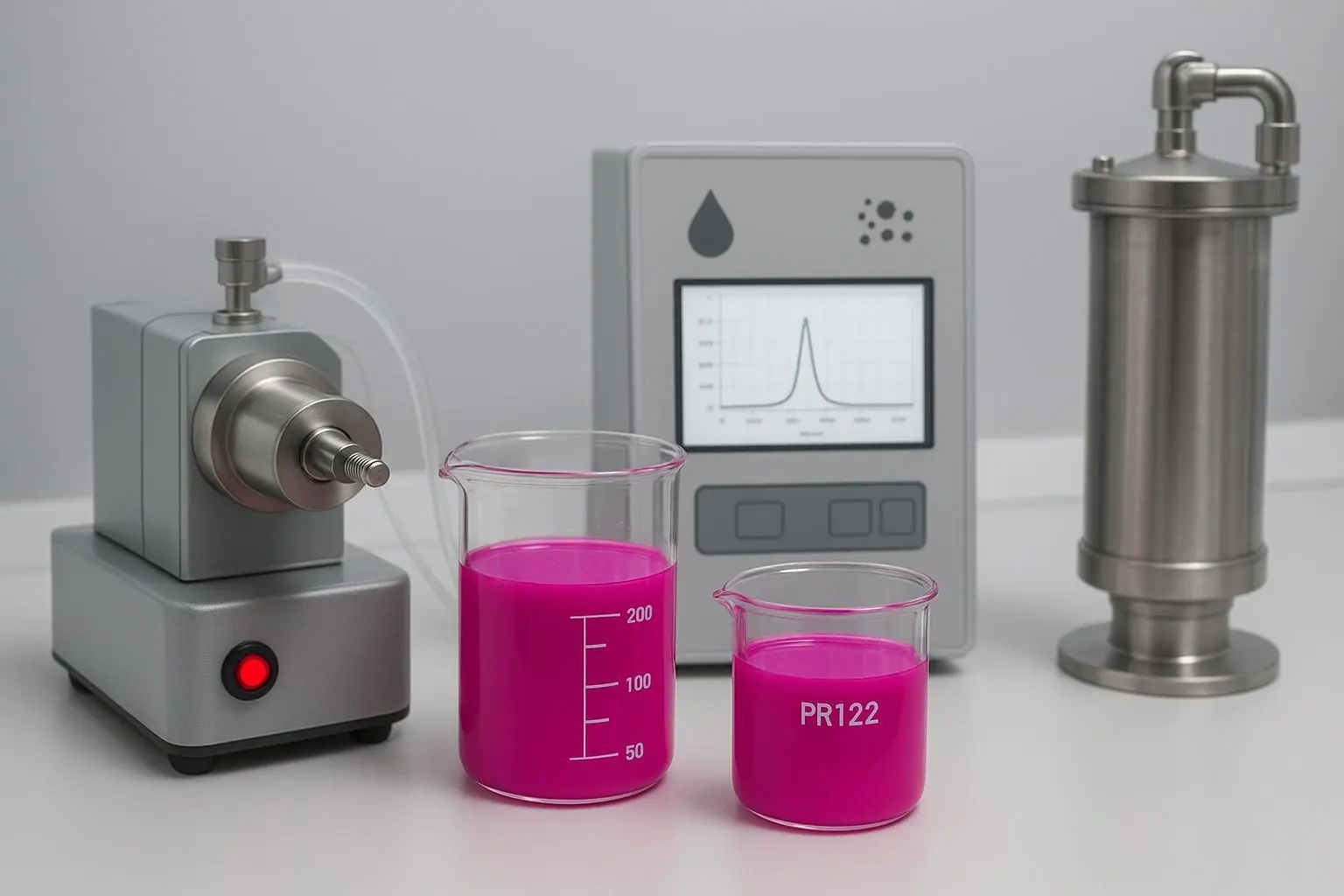
PR170 F3RK70 equivalent: The best alternatives for automotive & industrial coatings
Pigment Yellow 12 for Water‑Based Inks: Practical Guidance for SEA
Pigment Yellow 74 — Small Pigment, Big Performance
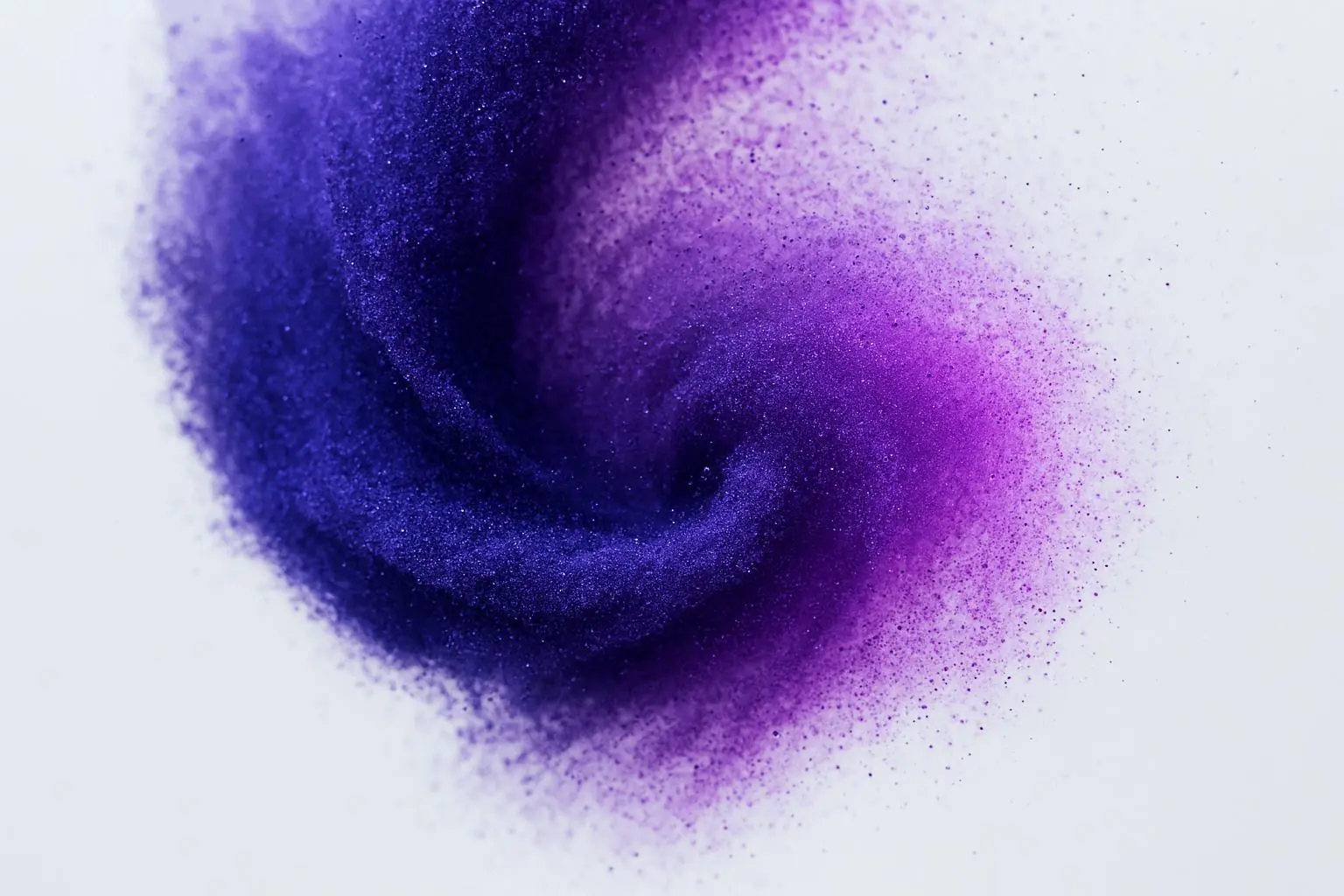
Ultra‑fine, narrow PSD dispersions are the difference between a water‑based inkjet ink that prints clean for hours and one that clogs mid‑run. This review looks at Pigment Violet 19 beta (PV19 β) through that inkjet‑first lens, then evaluates durability in industrial coatings and heat stability in plastics. Products discussed include Honor Pigments’ PV19 portfolio—HP Violet 6362 for coatings and the inkjet‑oriented 66108J and 6382J—alongside reputable market alternatives.
COI disclosure: The samples and product information for Honor Pigments grades were provided by the manufacturer. All comparative commentary uses publicly available sources and standard industry benchmarks; where quantitative internal data is not published, we state so clearly.
What matters most with Pigment Violet 19 beta
Pigment Violet 19 beta (PV19 β) is a quinacridone blue‑shade violet favored for high chroma and a robust fastness profile across inks, coatings, and plastics. For inkjet specifically, three properties dominate outcomes:
-
Narrow particle size distribution with D90 typically ≤ 250 nm for reliable jetting
-
Low viscosity at target pigment solids for stable drop formation
-
Excellent filterability through 0.2–1.0 μm media without residue buildup
Across coatings, PV19 β is known for excellent lightfastness in full shade and very strong weathering, while in plastics it offers high tint strength and good heat stability in polyolefins and engineering resins. These category expectations are echoed in authoritative directories from Vibrantz and DCL. For example, PV19 commonly reaches Blue Wool 7–8 in masstone and maintains color well in accelerated weathering, with plastics stability reported near the 280–300 °C window depending on resin and dwell time, as summarized in the DCL plastics methodology and brand brochures. See the portfolio context in the Vibrantz organic pigments overview and DCL directories for standard testing conventions and performance ranges.
Internal references for the grades in scope:
-
HP Violet 6362 is described by Honor Pigments as a β‑type PV19 with excellent light, weather, and heat stability. Product page: HP Violet 6362.
-
HP Violet 66108J is listed on Honor’s inkjet categories as a PV19 recommended for water‑based inkjet with excellent filter properties. Category page: Pigments for Inkjet Inks and Toners.
-
HP Violet 6382J appears across Honor’s portfolio as an inkjet‑friendly PV19 variant. Product page: HP Violet 6382J.
According to the Vibrantz and DCL materials, PV19 is widely deployed across inks, coatings, and plastics due to its balance of high chroma and resistance. See the Vibrantz organic pigments landing for portfolio‑level positioning and the DCL directories for application test conventions and typical ranges.
Testing protocol and thresholds we use
To evaluate whether a PV19 β grade is truly inkjet‑ready while still meeting coatings and plastics expectations, we use the following framework:
-
Inkjet dispersion integrity: Dynamic light scattering for D50/D90; 0.2 μm PTFE filter pass time for 100 mL; Brookfield viscosity at 25 °C across practical solids; 30‑minute runtime on a standard piezo head using fine patterns and solid fills
-
Coatings durability: Acrylate panel drawdowns at comparable PVC; QUV‑A exposure with ΔE at 250 and 500 hours; Blue Wool strips for context
-
Plastics processing: PP and ABS plaques processed at 280–300 °C; ΔE after 10 minutes at temperature; migration rating on HDPE; visual assessment of plate‑out
Success thresholds used by many labs and referenced in supplier literature include D90 ≤ 250 nm for inkjet dispersions, viscosity in the 2–4 mPa·s window at printing solids for aqueous systems, ΔE ≤ 2 after 250 hours QUV on coatings test panels, and ΔE under ~2.0 after a 10‑minute 280–300 °C plastics dwell—depending on resin and stabilizers. When quantitative internal results are available, they should be reported with instrument settings and sample prep. Where such data is not public, treat the above as targets to validate during sampling.
Pigment Violet 19 beta for inkjet formulations
The hero benefit for PV19 in inkjet is the ability to mill dispersions to a narrow, stable PSD that stays below a nozzle’s effective aperture and resists agglomeration under shear and storage. In practice, that means targeting D50 near 80–150 nm and keeping the D90 well under 250 nm while preserving a low‑viscosity window so the ink jettability isn’t compromised.
Honor Pigments lists HP Violet 66108J specifically for water‑based inkjet with excellent filter properties, suggesting attention to PSD discipline and low residue. See Honor’s Inkjet Inks category for positioning. The company also offers HP Violet 6382J, which appears as an inkjet‑friendly PV19 grade suitable for similar workflows: HP Violet 6382J.
A case study of a photo inkjet program demonstrates effective performance with a PV19 β magenta‑violet dispersion, where a piezo head operated for 30 minutes without issues. The ink maintained low viscosity, passed a 0.2 μm filter without residue, and produced clear text and barcodes with few nozzle failures. Though specific PSD values aren’t provided, the results suggest a narrow PSD and appropriate dispersant choice. If filtration is slow or residue accumulates, it indicates a need to adjust the milling curve and dispersant chemistry.
A desktop photo inkjet case shows ideal performance: using PV19 β magenta‑violet dispersion in a standard piezo head, the ink maintained low, stable viscosity, filtered easily through a 0.2 μm filter with no residue, and delivered sharp text/barcodes with few nozzle issues. This reflects a narrow particle size distribution (PSD) and effective dispersants. For PV19 β inkjet qualification: slow filtration or residue usually means a wide PSD — optimize milling and dispersant selection.
Practical tips for aqueous inkjet dispersions
-
Use sodium polyacrylate or polyurethane dispersants with a pH near neutral and control ionic strength to limit flocculation
-
Map viscosity versus solids; find the lowest workable solids that still meet color targets to keep jetting stable
Pigment Violet 19 beta in industrial coatings
PV19 β’s reputation in coatings is built on durability. Honor Pigments’ HP Violet 6362 is positioned as a β‑type PV19 for coatings with strong light, weather, and heat stability: HP Violet 6362. In typical acrylic or polyurethane systems, PV19 shows Blue Wool 7–8 in masstone and holds color through accelerated weathering at QUV‑A checkpoints when properly dispersed and stabilized. DCL’s coatings brochures outline common test setups and interpretation of ΔE changes over time, which you can use to set acceptance criteria for exterior‑exposed parts.
In the lab, we look for a smooth film with high gloss retention after 250 hours QUV and minimal ΔE drift in both masstone and a standard white reduction. If your panels show early chalking or faster ΔE change in tint, revisit pigment volume concentration, consider UV absorbers, and check for over‑grinding that might have increased surface area without adequate stabilization.
Pigment Violet 19 beta for plastics and masterbatch
In polyolefins and engineering resins, PV19 β typically delivers strong tinting strength and a clean bluish violet shade with respectable heat stability. Third‑party references indicate viability up to roughly 280–300 °C with careful compounding and short dwell times. Sudarshan’s PV Fast Red E5B, a β‑type PV19 used as a plastics reference point, reports suitability in this processing window, offering a practical benchmark for PP and ABS color concentrates.
When compounding PV19 β:
-
Confirm ΔE after a realistic dwell at target temperature in your specific resin system
-
Check migration resistance and plate‑out at the intended letdown level and processing conditions
If you’re running PC, PET, or high‑heat nylons, perform extended dwell tests and adjust stabilizers as needed to keep hue shift under control.
Competitor context and where these grades fit
Below is a concise, like‑for‑like snapshot to frame evaluations. Empty cells reflect fields that are not publicly published and should be verified during sampling.
|
Attribute |
Honor PV19 β HP Violet 6362 |
Honor PV19 HP Violet 66108J |
Sudarshan PV Fast Red E5B |
Vibrantz PV19 portfolio |
|---|---|---|---|---|
|
Intended use |
Coatings durability focus |
Water‑based inkjet focus |
Plastics stability focus |
Broad inks, coatings, plastics |
|
Shade |
Blue‑shade violet |
Blue‑shade violet |
Blue‑shade violet |
Blue‑shade violet |
|
Polymorph |
β stated by Honor |
PV19 listed for inkjet |
β per product positioning |
PV19 offered across lines |
|
Lightfastness |
Excellent claim, verify BW |
Excellent claim, verify BW |
Full 8 in plastics references |
Typical PV19 ranges in brochures |
|
Inkjet filterability |
Not specified |
“Excellent filter” claim |
Not an inkjet grade |
Not specified per grade |
|
Plastics heat stability |
Claim excellent |
Claim good |
Up to ~300 °C reported |
Portfolio‑level notes |
|
Source link |
According to the Vibrantz organic pigments overview and DCL directories, PV19 remains a go‑to high‑performance violet across applications. Those materials provide context for expected fastness envelopes and standard methods, while product‑specific numbers still need confirmation during trials.
Who should choose Honor’s PV19 β and who should pass
Choose Honor’s PV19 β grades if you’re:
-
Formulating water‑based inkjet inks and need a PV19 with demonstrated filterability and narrow PSD behavior
-
Building outdoor‑exposed industrial coatings where Blue Wool stability and QUV color hold are non‑negotiable
-
Compounding PP or ABS concentrates and want a blue‑shade violet that can survive short high‑heat dwells with minimal hue shift
Skip or validate further if you’re:
-
Running ultra‑high‑shear or very long dwell plastics processes above 300 °C without stabilizers
-
Printing with unusually small nozzles and very high pigment solids where even a slim PSD tail could raise clogging risk
-
Requiring published, audited PSD distributions and viscosity curves up front; request data packs or run your own lab validation
Procurement notes: As of 2026‑02‑06, public TDS/SDS downloads and detailed PSD or viscosity datasets were not found on the linked pages. Contact Honor Pigments for documentation, batch COAs, and sampling. Lead times and MOQs are typically provided on request.
Limitations and what to validate next
-
Publishable PSD and viscosity curves for 66108J and 6382J under standard aqueous dispersant systems
-
QUV ΔE data at 250 and 500 hours for coatings panels using HP Violet 6362
-
Plastics heat stability and migration ratings by resin, including PP, ABS, and PC
If you’re evaluating Pigment Violet 19 beta (PV19 β) for an inkjet program, start with a small‑scale dispersion and run filtration and runtime tests before moving to color optimization. It’ll save you time and spare a few nozzles.
Verdict
Pigment Violet 19 beta (PV19 β) remains a dependable choice when you need a clean, blue‑shade violet that can do triple duty in inkjet, coatings, and plastics. Honor Pigments positions HP Violet 66108J and 6382J for water‑based inkjet with an emphasis on filterability, while HP Violet 6362 targets coatings durability. The competitive landscape shows comparable fastness envelopes from established brands; the deciding factor for inkjet buyers is usually PSD discipline and low‑viscosity behavior under your exact dispersant system. Request samples, validate against the thresholds above, and keep an eye on filtration residue and runtime stability.
Explore the portfolio and request documentation via the official site and product pages: Onur Pigmentleri.
 English (UK)
  Español
  Português
  Français
  Русский
  Türkçe
  العربية
  Bahasa Indonesia
  한국어
한국어  Čeština
  Nederlands
  עִבְרִית
  Ελληνικά
  日本語
日本語  Italiano
  Português do Brasil
  Deutsch
  Română
  Español de Argentina
  Irish
Irish  Español de Colombia
  Dansk
Dansk  Қазақ тілі
  Монгол
  Español de México
  O‘zbekcha
  Shqip
Shqip  English (South Africa)
  Deutsch (Österreich)
  Español de Chile