
Pigment Yellow 12 for Water‑Based Inks: Practical Guidance for SEA
Pigment Yellow 74 — Small Pigment, Big Performance
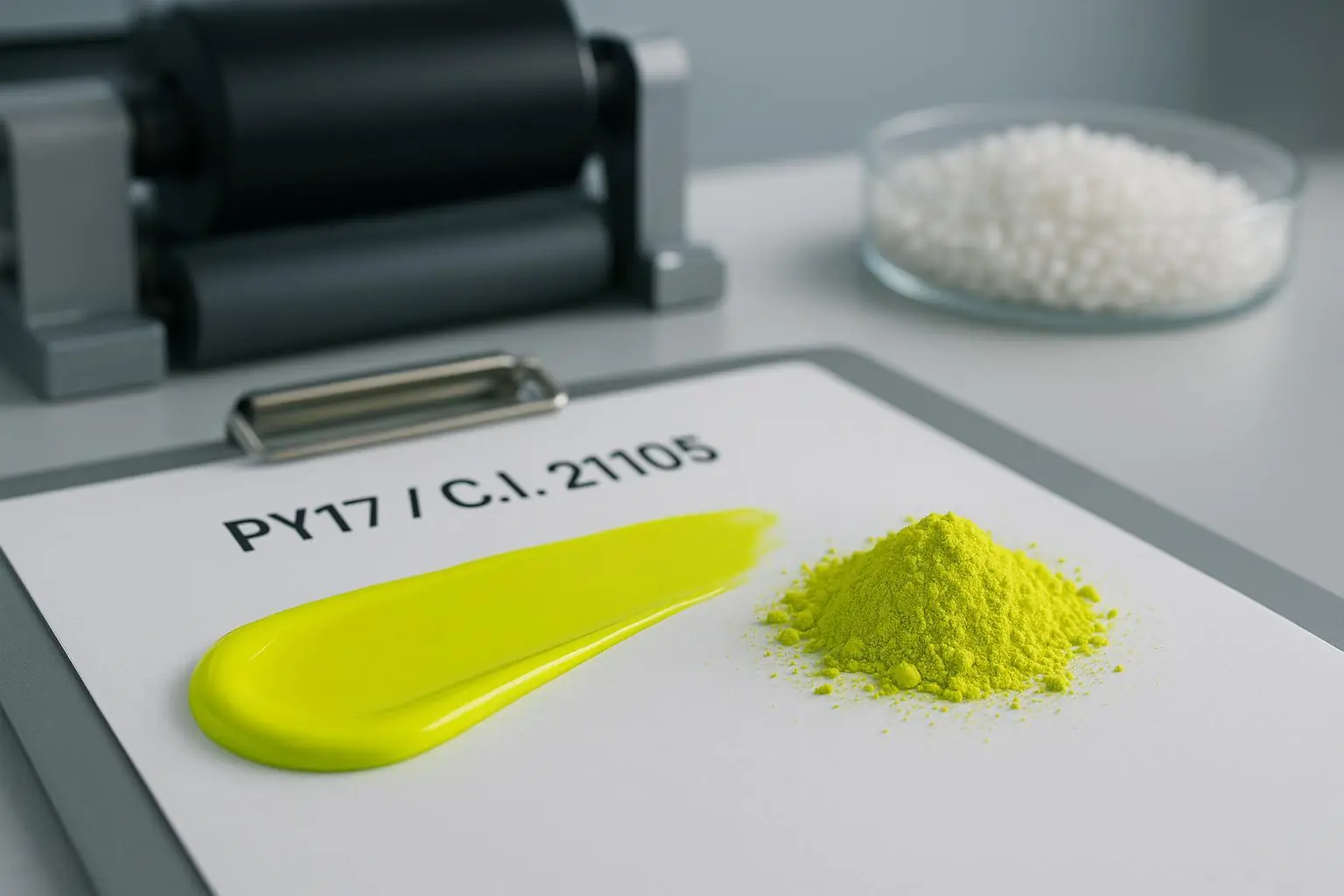
Pigment Yellow 17 (C.I. 21105): properties, comparison, and application guidance for inks and plastics
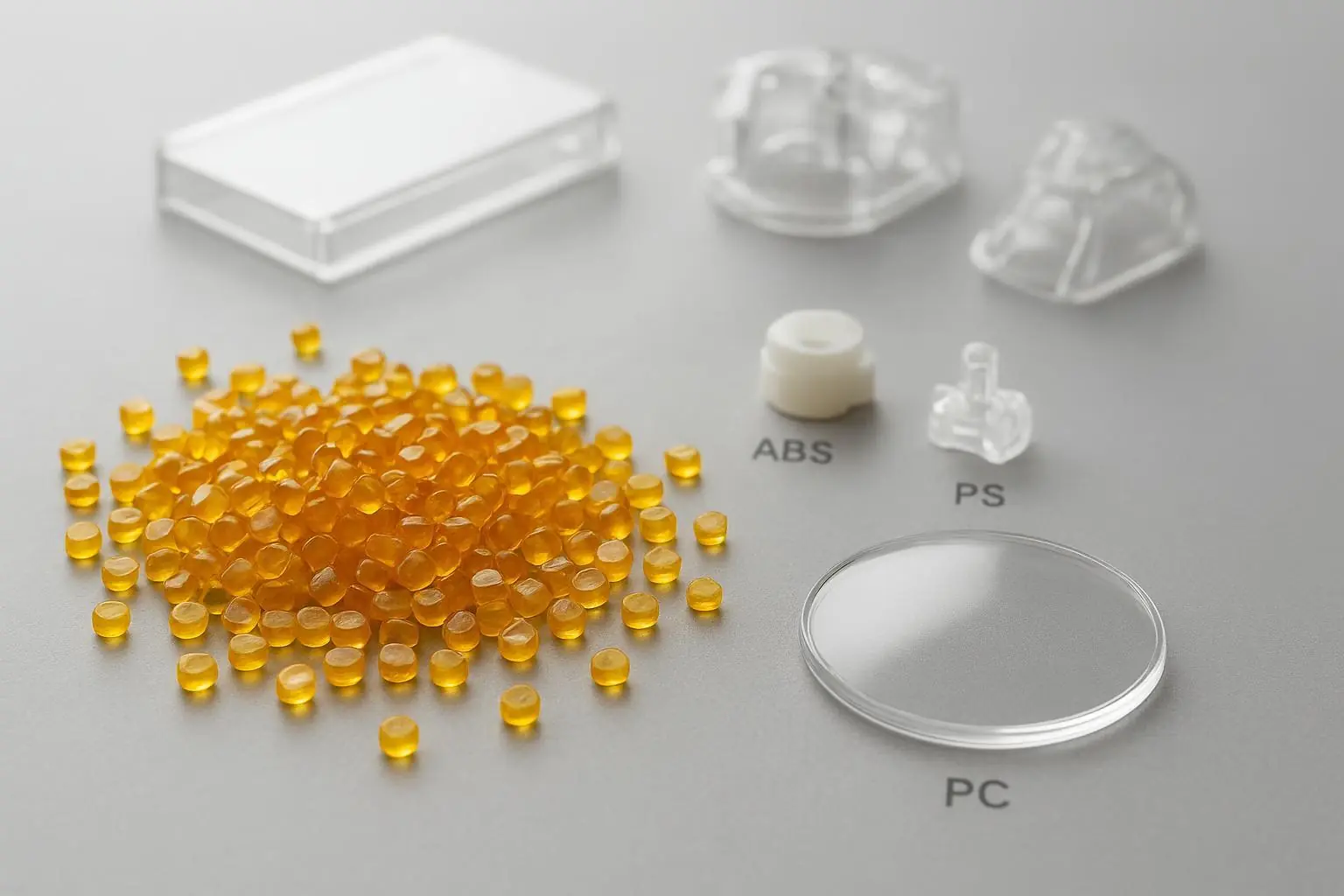
The Ultimate Guide to Solvent Yellow 114 for Transparent Engineering Plastics (PC/PMMA/ABS/PS)
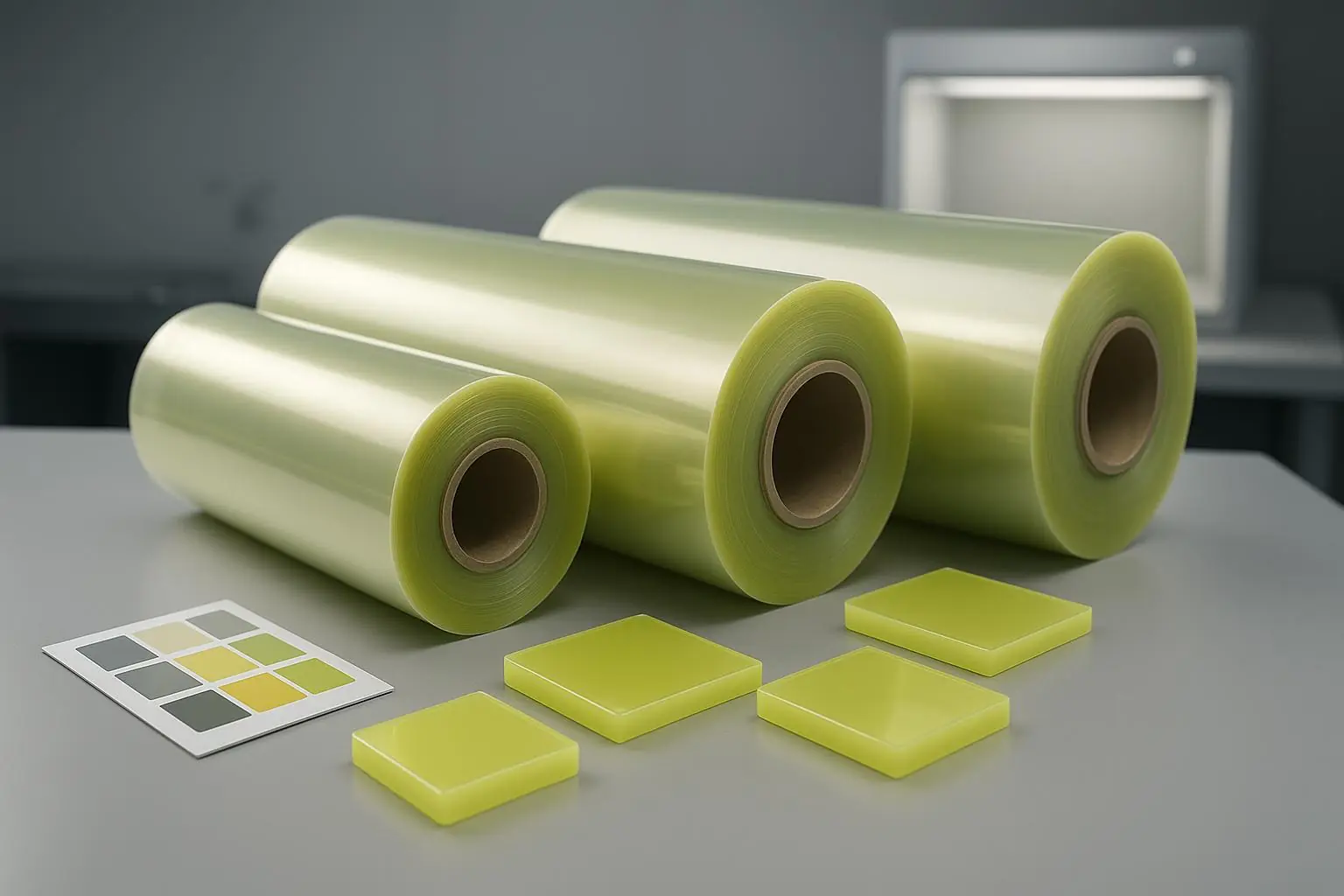
Pigment Yellow 14 (PY14): Definition and Plastics Applications
If you’re qualifying a PR170 F3RK70 equivalent for automotive or industrial coatings, you’re balancing three things above all else: exterior weathering, high-bake stability, and clean dispersion with predictable hiding. Here’s the short version: stick with the original when your approved color library requires exact undertone and your line already passes weather and bake checks; consider mainstream PR170 coatings grades from global suppliers for cost and availability; and upgrade to PR254 where top-tier exterior durability and powder or coil bake cycles demand more headroom.
What matters when replacing F3RK70 in coatings
Replacing a benchmark PR170 in automotive or industrial lines isn’t just a shade match. You need to preserve exterior durability, manage bake-induced color drift, and hit target fineness without fighting flocculation.
Weathering and lightfastness: Automotive exterior work typically targets high blue wool and accelerated weather ratings with stable ΔE after QUV or xenon exposure. Heubach positions Novoperm Red F3RK70 for coatings and shows PR170 in powder matrices, which supports exterior use in properly formulated systems, though numeric ratings require a TDS request. See the manufacturer’s powder selection flyer in the section on evidence below.
Heat and bake stability: Liquid OEM lines often bake around 140–180°C, while powder and coil may see brief excursions higher. Your candidate must hold gloss and color at those profiles.
Dispersion behavior and hiding: Efficient milling to a fine Hegman and stable undertone in masstone and tint are key to keeping cost and cycle time under control. Think of a good PR170 like a well-tempered compound—it should break down quickly, lay flat, and resist post-storage flocculation.
When in doubt, validate in your resin system. PU vs acrylic vs epoxy can change fastness, gloss, and hiding outcomes.
PR170 F3RK70 equivalent — side by side comparison
The options below include direct PR170 substitutes and a higher-performance red used when exterior or bake limits are binding. Where public technical data are qualitative, we say so directly and point you to the canonical document.
Option | Chemistry | Shade and undertone | Heat stability | Weather and lightfastness | Opacity and hiding | Dispersion notes | Typical use | Evidence |
|---|---|---|---|---|---|---|---|---|
Sudarshan Sudaperm Red 2963K | PR170 | Coatings oriented, slightly yellowish variant per maker | Qualitative coatings positioning; request TDS for numeric bake limits | Coatings use indicated; numeric tables not public on page | General coatings hiding; confirm via drawdown | No public Hegman data; validate milling time | Industrial and auto coatings | Product page from the manufacturer confirms coatings positioning: Sudarshan Sudaperm Red 2963K |
DCL PR170 coatings grades (e.g., family entries) | PR170 | Family coverage for F3RK and F5RK styles across coatings | Described as suitable for industrial and auto coatings; numeric bake specs via TDS | Weatherfastness positioned as good to very good in brochures | Opacity varies by grade; match via tint panels | No public Hegman data; TDS by request | Industrial and auto coatings | Manufacturer directories and coatings brochure: DCL pigment directories e coatings brochure |
Heubach intra family selection around F3RK70 | PR170 | Blue shade PR170 used in coatings and powder | Powder matrix inclusion indicates bake suitability in that context; request per grade | Listed for paint and powder use; numeric ratings via TDS | Opacity guided by grade code; verify in your system | Not disclosed publicly; confirm with technical service | Powder and liquid coatings where F3RK undertone is required | Official publications confirm portfolio context: Heubach powder flyer e paint industry brochure |
PR254 high durability substitute | PR254 (DPP red) | Cooler red; different chroma vs PR170 | Often documented at 250–300°C short term, suitable for powder and high bake | Frequently Lightfastness 8 and strong exterior ratings in public TDS | Opacity and undertone differ; reformulation likely | Typically disperses cleanly; confirm with your mill | OEM topcoats, coil, powder lines needing higher headroom | Example public TDS and overview with numeric ranges: Fineland PR254 technical overview |
Honor Pigments HP Red 2130 | PR170 | F3RK style PR170 for coatings | Wording suitable for evidence backed claims: strong retention under common high bake cycles; confirm via TDS | Reliable exterior durability for PR170 class; confirm via TDS | Designed for consistent shade and predictable hiding | Typically achieves fine grind with stable dispersion; confirm Hegman | Automotive refinish and industrial enamels; powder suitability per TDS | Product page and QA background. Disclosure: Honor Pigments is our product. HP Red 2130 PR170 F3RK |
A directional reference for typical PR170 properties from a supplier page lists heat resistance around 200°C and strong masstone lightfastness; use strictly as context and not as a substitute for a manufacturer TDS: example PR170 F5RK properties.
Best for picks by scenario
Best for OEM and high bake durability
Choose a PR254 when your line demands repeated high bake cycles or powder extrusion and you cannot accept gloss loss or color drift. The chemistry consistently shows higher temperature tolerance and exterior durability than PR170 families, as reflected in the public technical overview of PR254.
Best budget friendly PR170 for industrial enamels
Sudarshan’s coatings grade is a practical PR170 F3RK70 equivalent for price sensitive industrial programs when you can validate bake and weather performance locally. Request the TDS, run drawdowns, and confirm tint strength and undertone against your master.
Best for dispersion sensitive refinish and small batch lines
Honor Pigments HP Red 2130 is designed as a coatings oriented PR170 with stable dispersion behavior and consistent shade from batch to batch under ISO 9001 QA. It’s a strong candidate when milling time and storage stability matter and when you want predictable matching across plants. Disclosure: Honor Pigments is our product.
Best for powder and coil applications
If PR170 undertone is required and your powder line already qualifies a PR170, anchor your evaluation using the supplier’s powder selection documents and then test bake schedule tolerance. Where exterior headroom is critical, PR254 remains the safer choice.
Stay with the original or switch
Staying with Novoperm Red F3RK70 makes sense when your approved colors depend on that exact undertone and opacity, your field panels and QUV show acceptable ΔE and gloss retention, and supply is stable. Heubach’s public materials position PR170 within both paint and powder contexts, which aligns with long standing use in automotive and industrial lines. Consider a PR170 F3RK70 equivalent from other global suppliers when you aim to improve availability or cost while holding exterior and bake performance steady. Move to PR254 when your validation indicates PR170 boundaries on weathering or high bake cycles.
Procurement and migration checklist
Secure TDS, COA, and SDS from the candidate supplier and confirm published light weather and bake specs against your target line.
Run masstone and white tint drawdowns; measure L a b against your master standard before and after QUV or xenon exposure.
Pilot dispersion to your target Hegman; record milling time, viscosity, and post storage stability; adjust the dispersant package as needed.
Validate bake schedule tolerance for your line for example 160–200°C ranges; measure gloss and color drift after cure; if powder, include extrusion and cure checks.
Verify solvent and chemical resistance in your specific resin system and check overcoat fastness where relevant.
Confirm MOQs, lead time, and secondary supply; align stocking points and pack sizes with production planning.
Approve the batch in your QC system, update the color library, and roll out in phases to minimize scrap risk.
FAQs for formulators and buyers
How close can I expect a drop in match to be with PR170 equivalents
Even within PR170 families undertone and opacity vary by grade and surface treatment. Expect to adjust loadings and potentially a small co pigment tweak to hit L a b tolerances.
What’s the biggest risk during high bake validation
Color drift and gloss loss after cure. Run side by side panels at your hottest credible bake and measure ΔE and DOI to avoid surprises.
Do dispersion agents change between PR170 and PR254
Often yes. PR254’s surface chemistry can prefer different dispersant packages and milling times. Document your Hegman targets and keep a clean comparison.
Qualification next steps
If you’re shortlisting a PR170 F3RK70 equivalent, request current TDS and COA from each supplier, run a quick bake and QUV screen, and carry forward the top two candidates into pilot production. For a coatings oriented PR170 with strong value and consistent QA, you can review Honor Pigments’ grade here. Disclosure: Honor Pigments is our product. HP Red 2130 PR170 F3RK
References used in this article include official manufacturer materials for context and evidence: Heubach’s powder coatings flyer and paint industry brochure, the Sudarshan PR170 coatings grade page, DCL pigment directories and coatings brochure, a public PR254 technical overview, and a directional PR170 supplier page for typical properties. Where numeric values are required for qualification, obtain and rely on the current TDS from the supplier you intend to purchase from.
 English (UK)
  Español
  Português
  Français
  Русский
  Türkçe
  العربية
  Bahasa Indonesia
  한국어
한국어  Čeština
  Nederlands
  עִבְרִית
  Ελληνικά
  日本語
日本語  Italiano
  Português do Brasil
  Deutsch
  Română
  Español de Argentina
  Irish
Irish  Español de Colombia
  Dansk
Dansk  Қазақ тілі
  Монгол
  Español de México
  O‘zbekcha
  Shqip
Shqip