
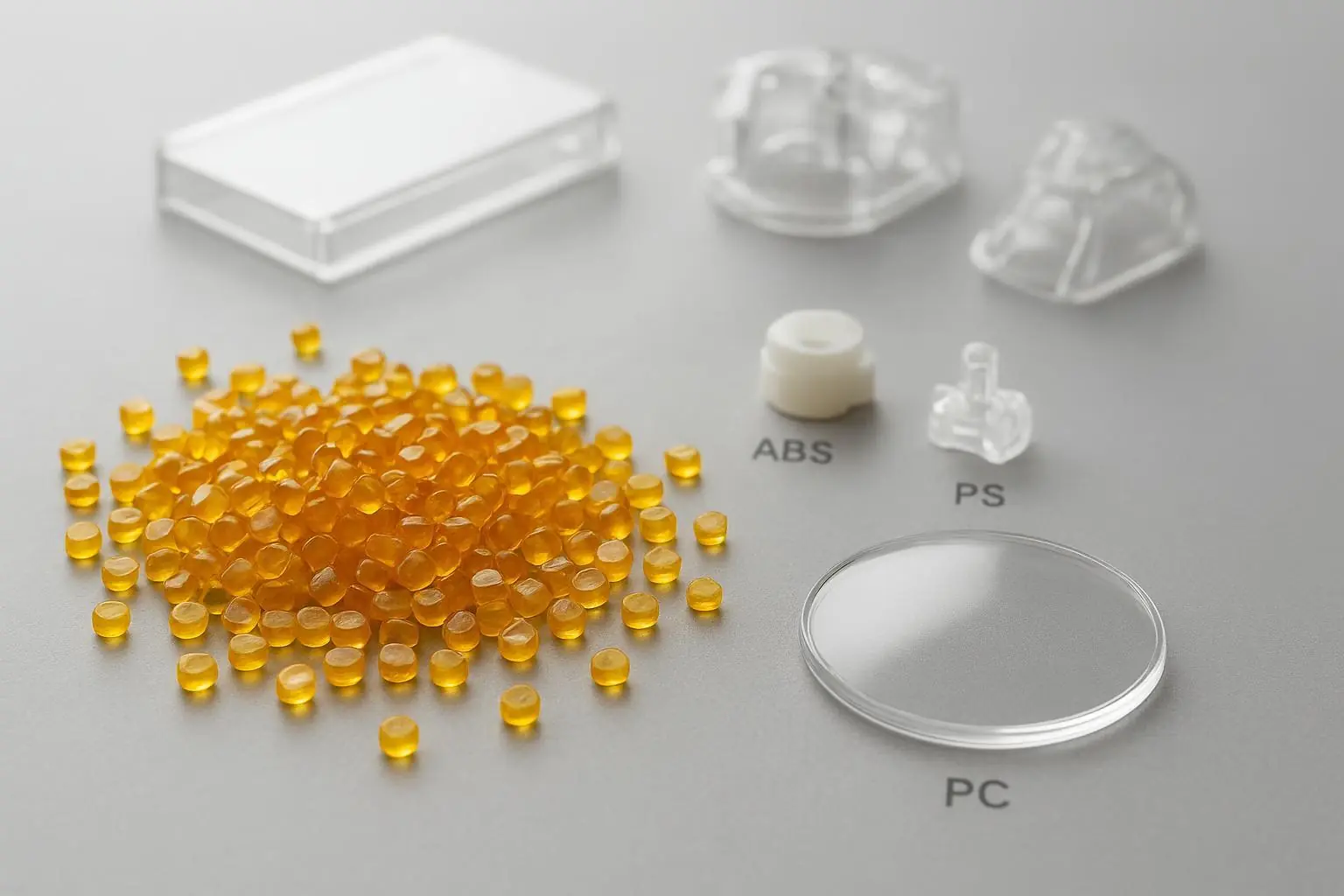
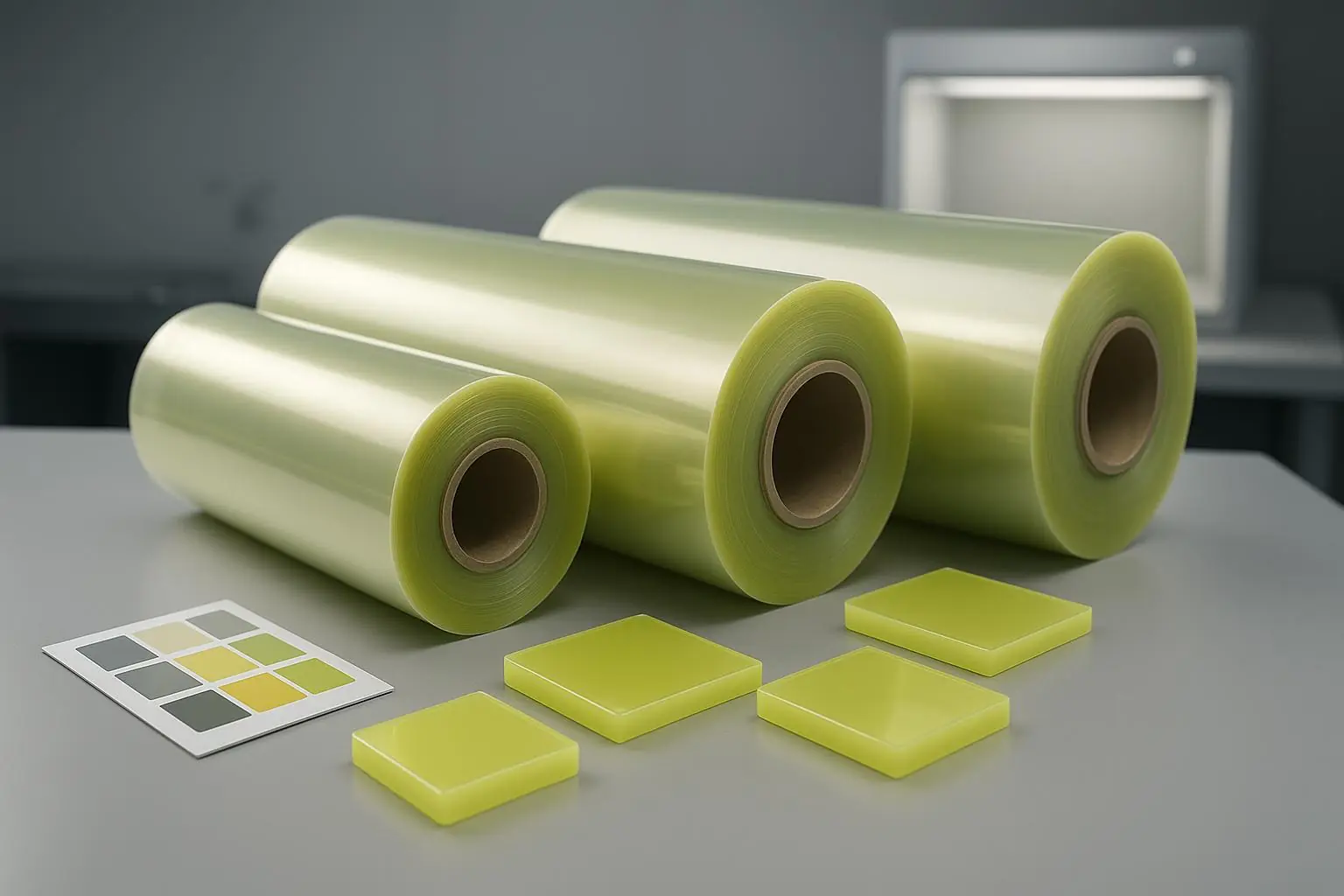
Pigment Yellow 14 (PY14): Definition and Plastics Applications
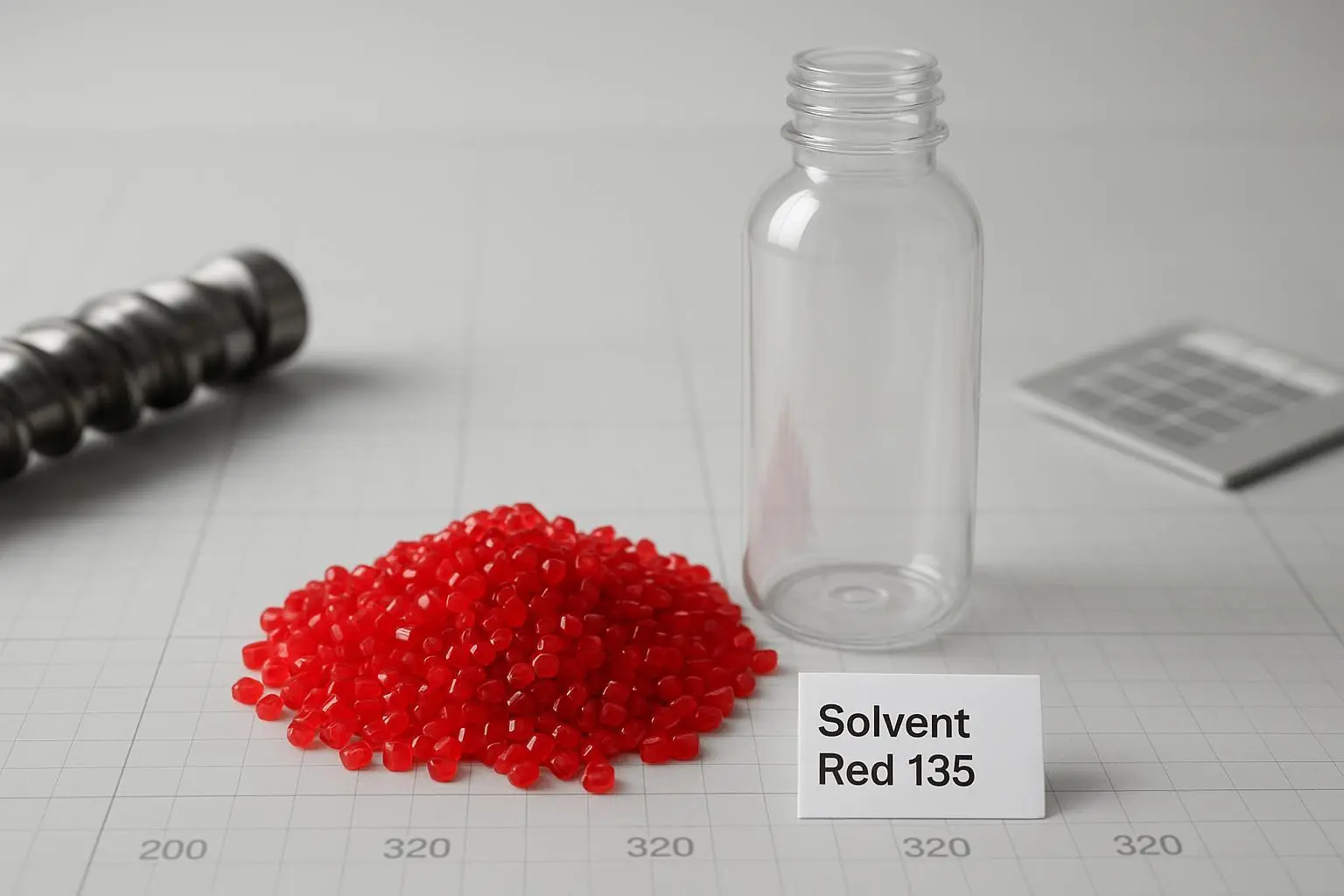
Solvent Red 135 for Transparent Red in PS/ABS/PC/PET: A Technical Guide
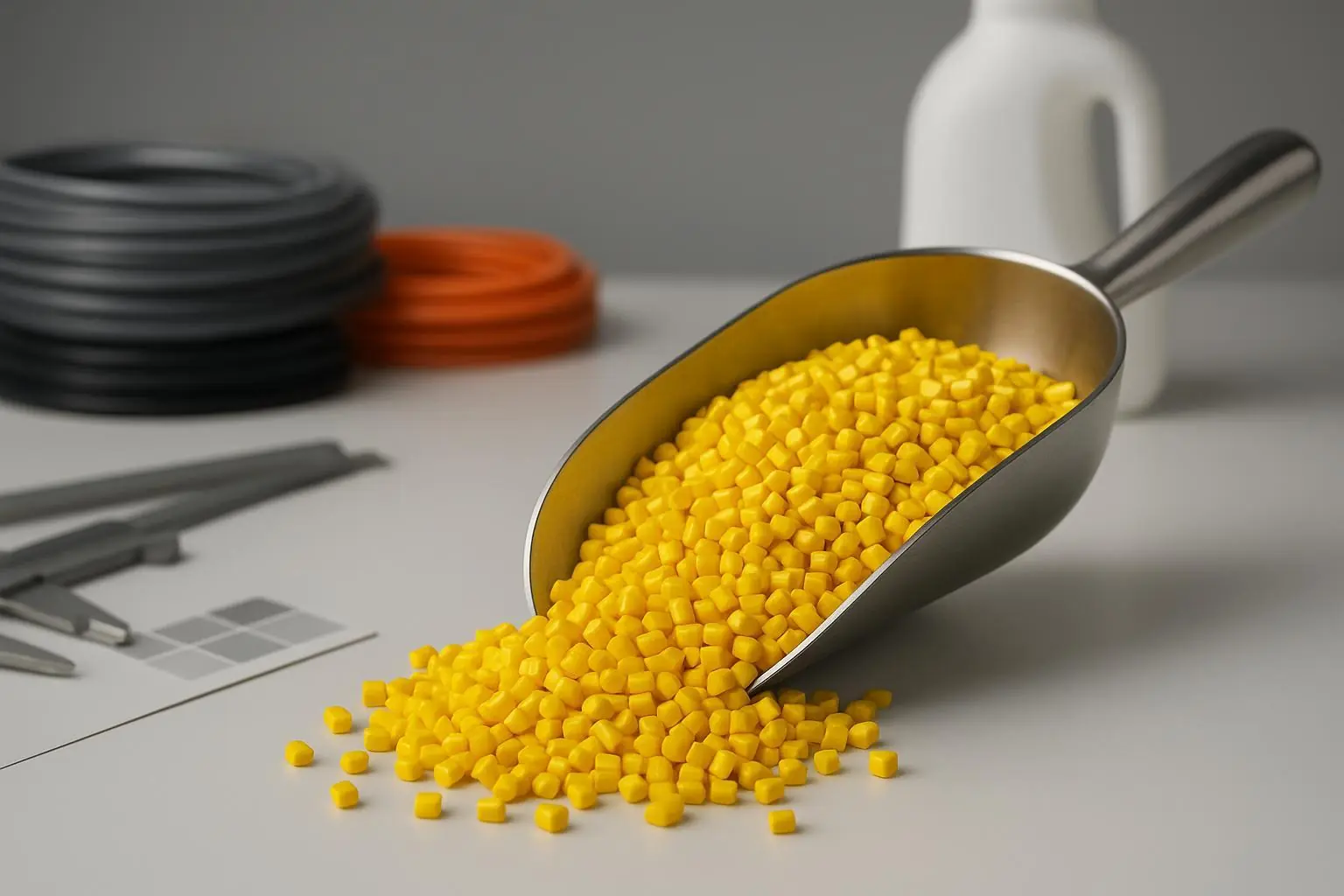
Pigment Yellow 13 (PY13) for Plastics: Properties, PVC/HDPE Performance, and HP YELLOW 1342 Notes
Pigment Yellow 83 (PY83): More Than a Yellow, More of a Solution
Optical Brightener OB for Industrial Coatings Ultimate Guide
Pigment Yellow 14 (PY14) is a diarylide yellow widely recognized for its cool, green‑shade hue and balanced cost-to-performance profile. Within the family of organic pigments, PY14 sits alongside other diarylides such as PY12 and PY13 but tends to appear greener and, in plastics, is generally used where moderate heat stability and a clean yellow are sufficient. It is commonly selected for inks and, in certain regions, for plastics at low‑to‑moderate processing temperatures. For a broader context of organic pigment families, see the portfolio of pigmen organik.
What is Pigment Yellow 14? Properties, characteristics, and advantages
Pigment Yellow 14 (C.I. PY14; diarylide yellow) is typically semi‑opaque with a cooler, greenish undertone relative to PY12 and many grades of PY13. In plastics, suppliers generally guide a practical heat window up to about 200 °C in polyolefins; operations that push above this range or sustain long residence times can increase the risk of thermal change or decomposition typical of diarylides. Authoritative references such as the Heubach plastics coloration brochure discuss heat-stability testing frameworks used in industry (e.g., DIN EN 12877‑2 in HDPE) and general guidance for diarylide yellows, while a representative PY14 TDS from DCL provides example ratings for lightfastness and resistance profiles in HDPE plaques. See the heat‑stability and fastness context outlined by Heubach’s The Coloration of Plastics and Rubber (2023) and a grade‑specific snapshot in DCL’s Diarylide Yellow 14 TDS (updated 2025).
Key characteristics often observed in plastics testing (grade- and system‑dependent):
Shade: greenish, cooler than many PY12/PY13 variants; useful where a clean, cool yellow target is specified.
Heat stability: workable for polyolefins within an approximate 170–190 °C working range; supplier brochures use ~200 °C as a practical ceiling in HDPE testing to avoid step‑change in color. Mechanistic literature notes diarylide decomposition pathways above ~200 °C under prolonged thermal stress. See the discussion in a peer‑reviewed overview of pigment removal/diarylide behavior in this scholarly review (2025).
Lightfastness: moderate; for one PY14 grade in HDPE, TDS data show a typical pattern (e.g., Blue Scale around 5 in masstone and ~3 in 1:10 tint), underscoring sensitivity to dilution and geometry.
Solvent/chemical resistance: generally good for many common media reported in supplier tables, but performance is formulation‑specific and should be validated in the target polymer and additives package.
Advantages in plastics selection contexts:
Cool, green‑shade yellow that can simplify hue adjustments toward clean lemon/cool targets.
Accessible tinting strength that supports low dose rates in masterbatch systems when dispersion is optimized.
Established testing frameworks and broad industry familiarity make screening straightforward in labs using HDPE or target‑polymer analogs.
Limitations to consider:
Heat and dwell time sensitivity familiar to diarylide yellows; extended exposure near/above ~200 °C can trigger color change or decomposition.
Moderate lightfastness; demanding outdoor or long‑term exposure may favor alternative yellow chemistries with higher durability ratings.
In plasticized PVC, migration/blooming risk exists at higher loadings or under certain plasticizer combinations, requiring targeted testing.
PY12 vs. PY13 vs. PY14 — directional comparison for plastics
Attribute | PY12 | PY13 | PY14 |
|---|---|---|---|
Hue | Medium yellow | Medium yellow, often slightly stronger | Green‑shade yellow (cooler) |
Relative tinting strength | Baseline for many opaques | Often stronger than PY12 | Variable; can be strong but not typically above top PY13 grades |
Lightfastness (indicative) | Baseline for diarylides | Slightly improved vs PY12 (context dependent) | Moderate; e.g., ~5 (masstone) / ~3 (1:10) in HDPE examples |
Plastics suitability | Limited; mainly inks/coatings | Limited; some interior plastics uses | Regionally used; workable in polyolefins ≤ ~200 °C; check PVC migration |
Notes | Value grade, common in inks | Preferred over PY12 in some regions | Greener shade helps meet cool targets |
Sources for table context: supplier directories and brochures including DCL pigment directories and the example properties in DCL PY14 TDS; testing frameworks summarized in Heubach’s plastics coloration brochure (2023).
PY14 for plastics: fit, limits, and processing guidance
Pigment Yellow 14 can serve as a practical choice for cool yellow targets in select plastics when heat load and exposure conditions align with diarylide capabilities. The following guidance consolidates supplier references and common lab practices.
PE/PP films and injection
For PE/PP, a prudent initial working window for PY14 is about 170–190 °C, with suppliers commonly treating ~200 °C in HDPE as the upper evaluation point to prevent step‑wise color shifts. Residence time, shear, and hot‑spot management matter as much as set‑point temperature; short cycles at a given peak can behave very differently from long holds. In film lines, optimize dispersion and filtration so the colorant fully develops tinting strength without gels or specks. Confirm no plate‑out on chill rolls and run heat‑hold checks (e.g., 5–10 minutes at target temperatures) to quantify ΔE relative to a control. When process profiles require hotter melts or prolonged dwell, higher‑heat chemistries are generally recommended by suppliers. This section maps to practical notes in Heubach’s plastics brochure (2023) and class guidance echoed in DCL’s plastics materials (2024–2025).
Where PE/PP color targets emphasize a clean, cooler lemon, the green‑shade profile of Pigment Yellow 14 helps reduce or even eliminate small additions of green/blue adjusters. In masterbatch work, this can translate into efficient let‑down ratios when dispersion is robust—positioning PY14 as a workable PP/PE yellow pigment for cost‑sensitive applications that stay within the diarylide heat window.
PVC (soft and rigid)
In plasticized PVC, diarylide pigments can show mobility that leads to migration, blooming, or plate‑out if formulation and processing are not aligned. To mitigate risk:
Evaluate plasticizer type and level (e.g., compare DINP vs DOTP or other options) because compatibility strongly influences mobility.
Control pigment loading to remain below empirically determined thresholds for the target formulation and end‑use.
Use appropriate stabilizer packages (e.g., Ca/Zn systems) and manage melt temperature and dwell to reduce drive‑out.
When using a PY14 plastic masterbatch, select carriers compatible with PVC to help limit pigment mobility, and verify outcomes with contact‑based migration tests.
Migration resistance is assessed by contact tests referenced in supplier literature (e.g., DIN‑style procedures cited in plastics brochures). Because outcomes depend on the total formulation and processing history, each application should be validated under its specific conditions. Technical notes of this nature are summarized in Heubach’s plastics coloration guide (2023) and class-level discussions in supplier brochures.
ABS/PS/SAN (styrenics)
Styrenics can accommodate Pigment Yellow 14 in lower‑temperature, shorter‑cycle conditions, particularly for opaque cooler yellows. However, extended cycles, higher melt temperatures, or demanding lightfastness targets often favor alternative yellow chemistries. As with polyolefins, validate under the real shear/thermal history of the part, not just set‑points. Supplier testing frameworks (e.g., DIN EN 12877‑2 in HDPE as a proxy screen) and Blue Wool exposure in the intended geometry (plaque vs. film) help create comparable baselines across resin families.
Quality control for a PY14 plastic masterbatch
A disciplined QC program ensures batch‑to‑batch consistency, greener‑shade stability, and predictable tinting strength—especially important when low additions must hit tight brand standards.
Recommended checks and references:
Heat stability screens in a proxy or target resin (e.g., stepwise 170/180/190/200 °C with 5–10 minute dwell) using a ΔE acceptance target aligned to the application. Testing approaches are described in supplier brochures summarizing DIN EN 12877‑2.
Lightfastness on application‑relevant geometries (thin films vs. plaques) using Blue Wool exposure protocols (e.g., per DIN EN ISO 4892 family); interpret both masstone and tint.
Dispersion and filtration checks, particularly for film, to avoid specks and ensure full color development at the intended let‑down ratio.
Migration testing for plasticized PVC under realistic plasticizer levels and stabilizer packages using contact‑based procedures from supplier literature.
For a view of methods, acceptance criteria, and laboratory routines that support consistent color across lots, see our overview of pigment quality control.
Practical example: screening a PP film grade (HP Yellow 1337)
In PP film, a PY14 plastics grade such as HP Yellow 1337 can be screened within a 170–190 °C processing window. Run ΔE measurements after a 5–10 minute heat‑hold and verify that no plate‑out accumulates on chill rolls. For soft PVC evaluations, conduct side‑by‑side trials across plasticizers (for example, DINP vs DOTP) at target loadings to benchmark migration using contact‑style tests. These steps are replicable lab screens; results remain formulation‑ and process‑dependent.
References and further reading
Diarylide heat stability and plastics testing frameworks summarized in Heubach’s The Coloration of Plastics and Rubber (2023).
Representative performance snapshot for PY14 in HDPE from DCL’s Diarylide Yellow 14 TDS (updated 2025).
Mechanistic support for diarylide thermal behavior at elevated temperatures discussed in this peer‑reviewed overview (2025).
Next steps
If you’re assessing PY14 for plastics—whether for PE/PP films, PVC, or styrenics—our technical team can help design a screening plan and QC targets suited to your process. Connect with us via the Pigmen Kehormatan to discuss grade selection and lab validation.
 English (UK)
  Español
  Português
  Français
  Русский
  Türkçe
  العربية
  Bahasa Indonesia
  한국어
한국어  Čeština
  Nederlands
  עִבְרִית
  Ελληνικά
  日本語
日本語  Italiano
  Português do Brasil
  Deutsch
  Română
  Español de Argentina
  Irish
Irish  Español de Colombia
  Dansk
Dansk  Қазақ тілі
  Монгол
  Español de México
  O‘zbekcha
  Shqip
Shqip