

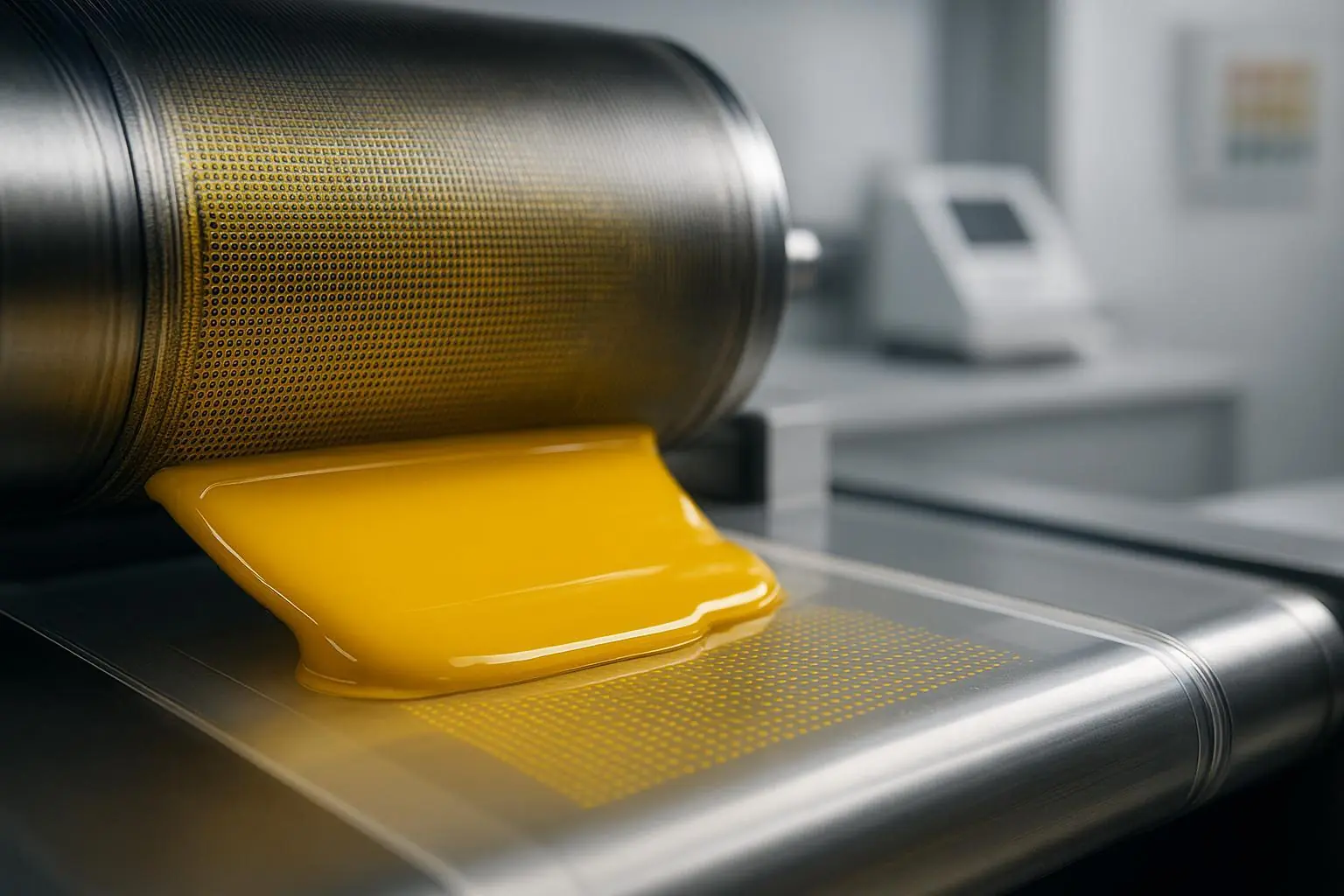
Pigment Yellow 13 for Flexo & Gravure Inks: Properties, QC, Compliance
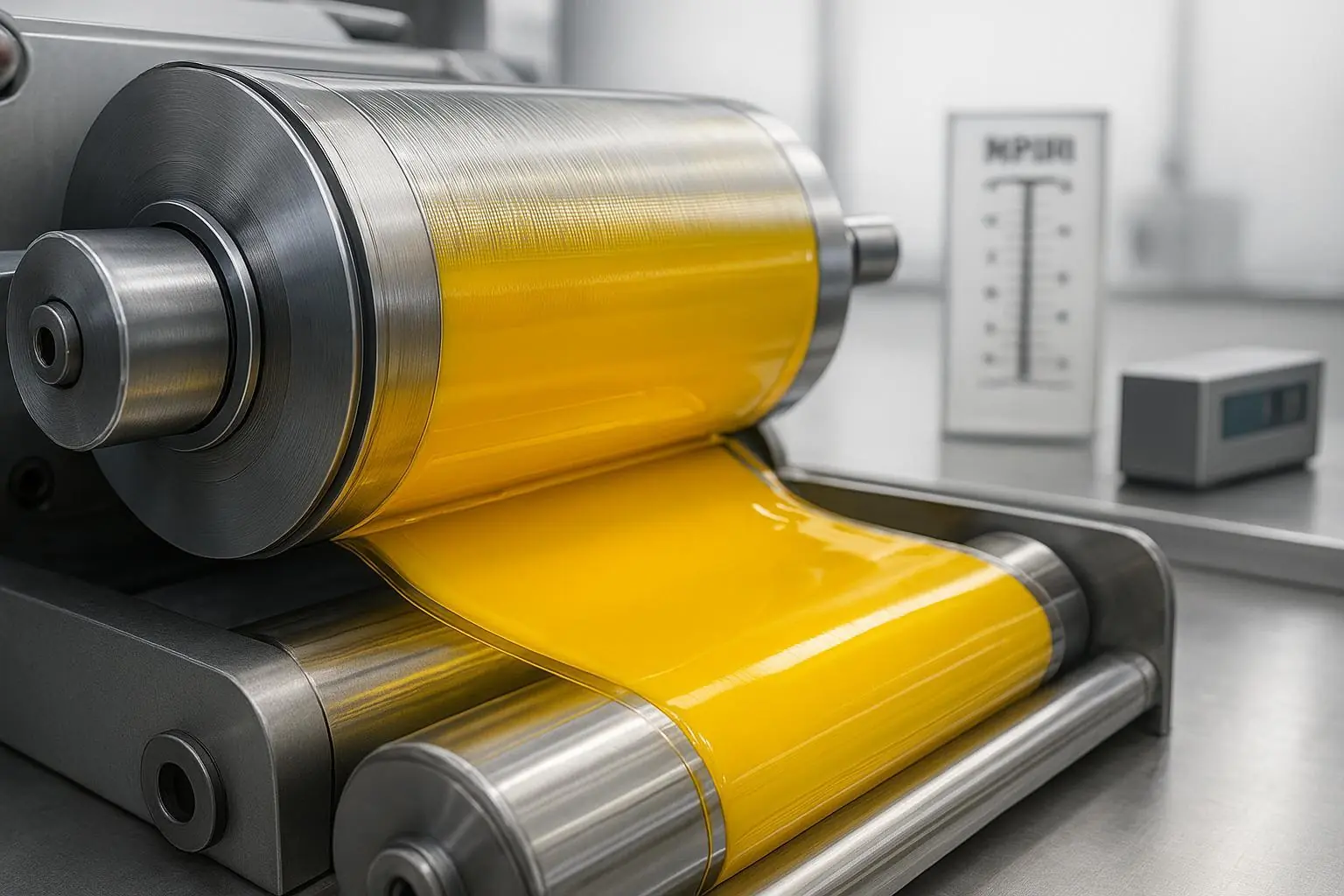
Pigment Yellow 14 for Solvent-Based Gravure and Flexo Inks: High Flow and High Gloss on Films and Paper
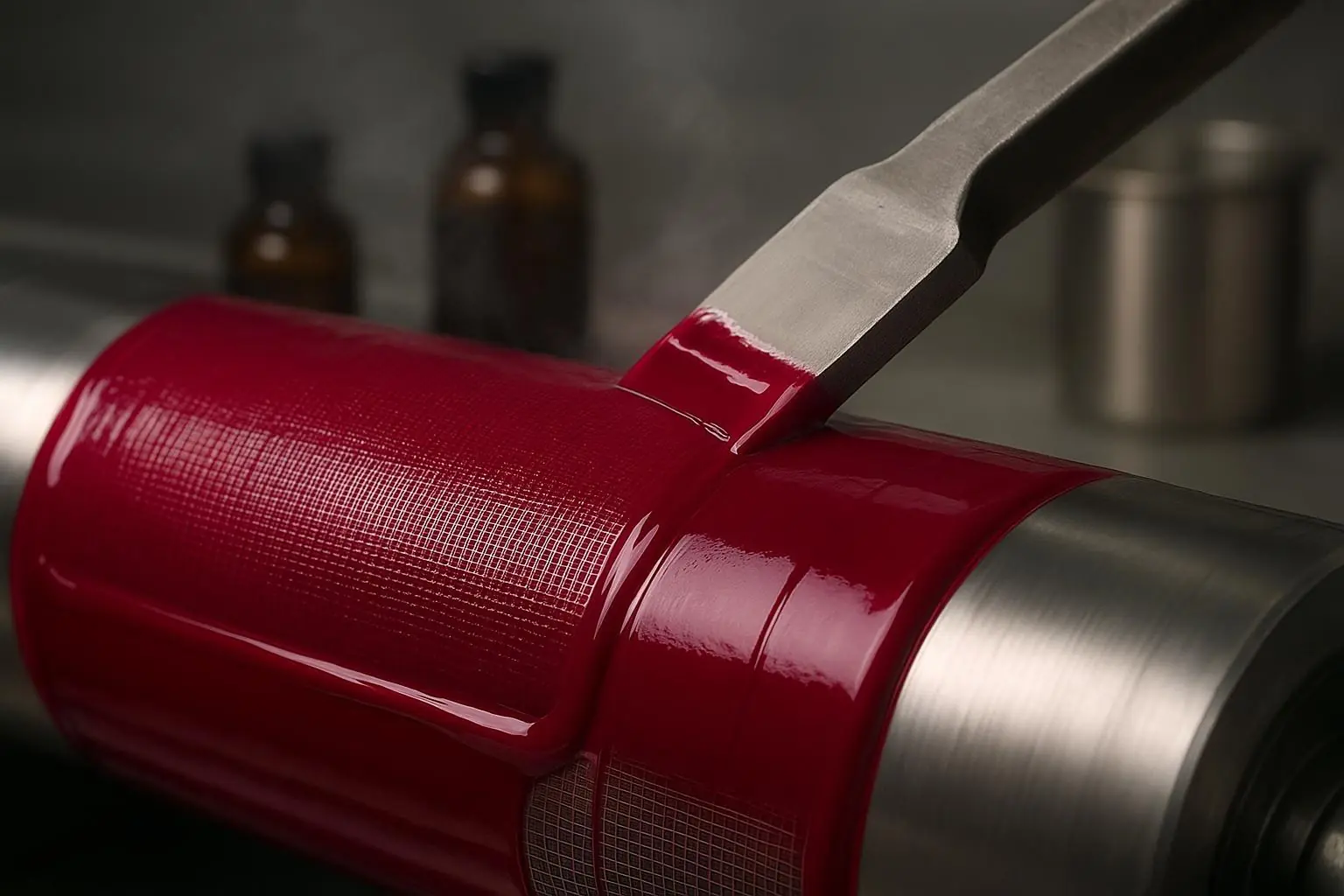
Pigment Red 48:2 for solvent-based inks in gravure printing — properties, resistance, and formulation considerations
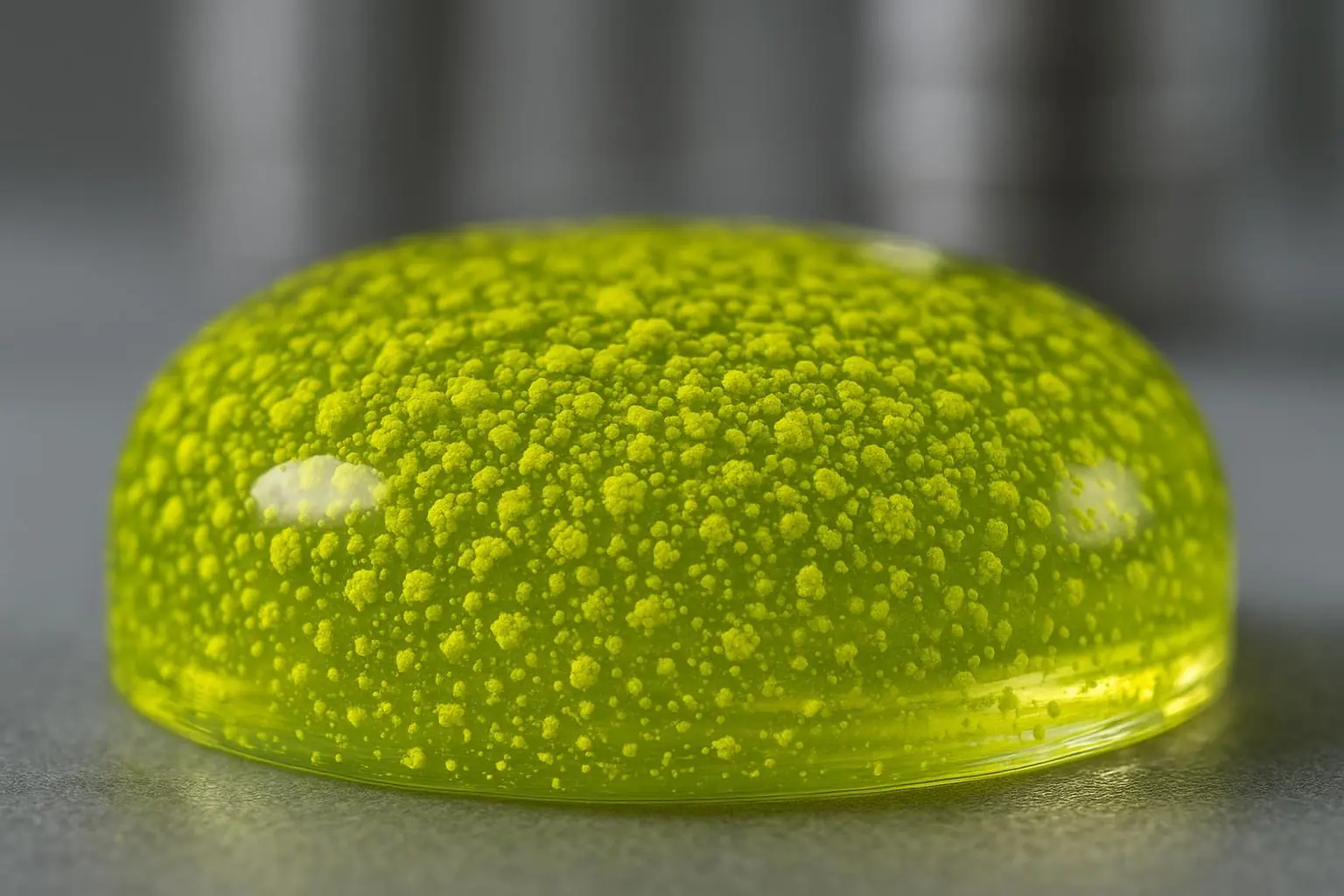
Pigment Yellow 74 (PY74): Properties, Flexo/Gravure Formulation Tips, and Stability by Application

Pigment Violet 19 beta (PV19 β) Review 2026
Pigment Red 53:1 for plastics sits in a sweet spot: a mid‑red that covers a huge volume of everyday parts and packaging without breaking the budget. In this review, we evaluate Honor Pigments’ first‑party grade, HP RED 2537, through the lens of real converter priorities—migration control in PVC and polyolefins, short‑term heat stability around processing spikes, and dependable dispersion in PP/PE for film and injection. You’ll find practical guidance for rigid/flexible PVC and PE/PP films and blow‑molded containers, value‑in‑use considerations, and clear disclosures where public, polymer‑specific datasets are limited as of 2026‑03‑02.
Quick overview
Field | Summary |
|---|---|
Chemistry | Monoazo barium lake, C.I. Pigment Red 53:1 (C.I. 15585:1) |
Hue family | Mid red (not bluish, not orange-biased), suited to mass‑market plastics |
Primary polymers | Rigid/flexible PVC, PP/PE (film, blow molding, injection), PS/ABS (interior) |
Core value | Cost‑effective mid‑red color with migration control focus for PVC and polyolefins |
Heat window (context) | Grade‑ and dwell‑dependent; HDPE up to ~250 °C reported in third‑party TDS (short dwell implied) |
Lightfastness (context) | Moderate in plastics; indoor preferred without UV package |
Evidence status | Mix of Tier 1 catalog data and standards‑based methodology; polymer‑specific hands‑on results pending (marked where applicable) |
Official page | See the HP RED 2537 product information on the Honor Pigments site: Honor Pigments — HP RED 2537 product page |
Note: This is a first‑party review. No affiliate links. Claims are bound to sources and “as‑of” dates.
How we evaluate (methodology and evidence tiers)
We organize performance around six dimensions critical to plastics converters: heat stability under processing spikes; migration/bleed resistance; dispersion and processability (FPV, speck control); lightfastness/weathering; value & cost‑in‑use; and regulatory & batch consistency. Methods reference industry standards and common lab practices:
Weathering: xenon arc exposure per the scope of ISO 4892‑2/ASTM G155 (we reference the ISO framework via the standard’s overview; detailed setpoints are test‑lab specific). See the ISO framework overview in ISO 4892‑2 weathering guidance.
Dispersion evaluation: screen‑pack and FPV concepts per the ISO 8780/8781 families (methods of dispersion and assessment of dispersibility). See the families indexed at the ISO 8780/8781 overview pages.
Migration/bleed control: internal contact‑transfer and PVC plasticizer‑rich protocols (72 h at 40–60 °C) are planned; where polymer‑specific public data are missing, we mark Insufficient data and provide mitigation practices.
Evidence tiers used in this review:
Tier 1 — Catalogable facts from authoritative documents (chemistry class, general suitability, typical heat/lightfastness ranges) with sources and dates.
Tier 2 — Tested results from in‑house plaques/films under disclosed conditions (planned; any absent datasets are labeled Insufficient data).
Tier 3 — Aggregated user or market patterns (used sparingly in B2B pigments).
As of 2026‑03‑02, several Tier 2 datasets are pending publication; this review therefore leans on Tier 1 sources plus implementation guidance grounded in standards and converter practice.
Heat stability under processing spikes (score basis defined; Tier 1 context)
Why it matters: Injection and film lines expose pigments to short, high‑temperature dwell. If the chromophore shifts or degrades, you see ΔE jumps, hue drift, or plate‑out.
What we know (Tier 1): A widely cited PR53:1 technical sheet reports plastics heat resistance “up to 250 °C in HDPE,” with separate (lower) values for printing ink contexts. See the published values in the third‑party document titled the PR 53:1 Red Lake C technical data sheet (DCL, 2020–2025 updates). While that supports PP/PE feasibility, it doesn’t prescribe dwell times. In PVC, processing setpoints are usually below 200 °C, but shear spikes and residence time still matter.
Practical guidance for Pigment Red 53:1 for plastics:
PP injection and film: Target a processing window around 230–250 °C with short dwell (≤60 s) and stabilized formulations. Validate ΔE after 230/240/250 °C spikes on plaques at your line’s typical residence.
PE film and blow molding: Standard LD/LLDPE film profiles (170–210 °C) are generally compatible; confirm screen‑pack pressure and color stability after 1–3 passes.
PVC (rigid and plasticized): Typical 170–200 °C windows are compatible; keep residence controlled and monitor for any tint shift on calendered film.
Data status: Tier 2 tests (ΔE versus spike temperature and dwell) are planned; until published, treat the above as processing guidance, not a guarantee. Label: Insufficient data for HP RED 2537‑specific ΔE curves.
Migration and bleed resistance (PVC and polyolefins)
Why it matters: In plasticized PVC and multilayer films or bottle walls, even modest solubility or mobility can cause edge bleed or contact transfer. That’s a show‑stopper for packaging aesthetics and certain regulatory contexts.
What we know (Tier 1 + practice): Market directories often describe PR53:1 plastics grades as having “good” migration fastness, yet polymer‑specific, quantitative PVC datasets are rarely public. Our plan is to publish 72‑hour contact tests at 40 °C and 60 °C on plasticized PVC (and PE/PP contact transfer and solvent rubs). Until then, the best stance is cautious optimization.
Mitigation playbook for HP RED 2537 in sensitive builds:
PVC (plasticized): Use compatible carriers and dispersants; consider barrier layers or surface treatments if the article will contact migratory media. Engineering strategies are summarized in industry guidance such as the SpecialChem plastics coloration and stabilization overview.
PE/PP film and containers: Validate contact transfer on HDPE plaques and perform ethanol/isooctane rubs on film samples; adjust additive packages to reduce surface tack and mobility.
Data status: Insufficient data for HP RED 2537 numerical migration ratings in PVC/PE/PP as of 2026‑03‑02. Guidance above reflects common converter practice and will be updated once Tier 2 data are published.
Dispersion and processability in PP/PE (FPV, speck control)
Why it matters: Poor dispersion shows up as specks, filter plugging, and inconsistent color. It also inflates dosage to reach target shade.
Evaluation framework: We align with ISO 8780/8781‑style assessments and a screen‑pack FPV workflow (e.g., 25 µm stack, defined throughput, recorded pressure rise). See the standards family index at the ISO 8780/8781 overview.
Working guidance for Pigment Red 53:1 for plastics:
Masterbatching: Use twin‑screw conditions sufficient to break agglomerates without over‑shear; confirm ΔE convergence after 1–3 passes.
Film lines: Monitor screen‑pack pressure and speck counts per 100 cm²; adjust dispersant level if pressure rise accelerates.
Data status: Insufficient data for HP RED 2537 FPV numbers and speck counts as of 2026‑03‑02; results will be added when internal tests are complete.
Lightfastness and weathering
What to expect (Tier 1): In plastics, PR53:1 typically shows moderate lightfastness. A representative TDS reports values of 3 (masstone) and 2 (1:10 tint) on an 8‑point scale for plastics contexts; see the numerical guidance in the PR 53:1 Red Lake C TDS. For indoor parts this is often acceptable. For semi‑outdoor exposure, add a UV stabilization package and verify via xenon arc exposure within the ISO 4892‑2 framework at your target hours.
Practical takeaway: Treat HP RED 2537 as an indoor‑first colorant unless paired with UV stabilizers and validated weathering.
Value and cost‑in‑use
The reason many teams pick Pigment Red 53:1 for plastics is simple: it delivers a familiar mid‑red shade at a budget‑friendly cost‑in‑use. Cost‑in‑use depends on dosage to reach target a* (and L*) under your formulation, not only on the per‑kg price.
Market context as‑of 2026‑03‑02 (Tier 1): Public B2B listings suggest a broad price band for bulk PR53:1. For example, a range can be seen on the IndiaMART category page for PR53:1. Prices vary with purity, surface treatment, and application focus. The right metric for your P&L is CPTS (cost‑per‑target‑shade): material price × dosage ÷ target a*.
What to do: Once your dispersion is dialed in, build tinting curves (0.05–0.5% in PP or your substrate) and compute CPTS to compare against alternate pigment classes.
Regulatory and batch consistency (as of 2026‑03‑02)
Customers often ask about REACH SVHC, RoHS, and California Proposition 65 alignment. As of the date above:
REACH SVHC: Pigment Red 53:1 was not identified on the ECHA live Candidate List page during this review pass; always confirm on the official table at the ECHA Candidate List.
California Proposition 65: No entry for PR53:1 was observed during this pass; verify current status on the official OEHHA Proposition 65 list.
Documentation note: Public, English‑language HP RED 2537 compliance PDFs (REACH/RoHS/Prop 65) were not located on our site during this pass. If you require certificates for qualification, contact Honor Pigments directly via the product page above. Batch‑to‑batch ΔE and QC data will be summarized when in‑house datasets are published.
Application guidance: Pigment Red 53:1 for plastics where migration control matters
Rigid and flexible PVC
Rigid profiles and cable jackets typically process in the 170–200 °C window where PR53:1 is workable. For flexible PVC films and sheets rich in plasticizer, prioritize migration control:
Use compatible carriers/dispersants and validate 72‑hour contact tests at 40–60 °C with your target plasticizer level.
Where feasible, add a barrier layer or coextrusion layout to separate red‑tinted layers from sensitive contact surfaces.
Monitor hue shift on calendered films; adjust residence time and stabilizer package to keep ΔE in spec.
PE/PP films and blow‑molded containers
For LD/LLDPE film (170–210 °C) and PP blow/injection (230–250 °C short dwell), HP RED 2537 targets the volume sweet spot:
Keep screw profiles tuned to minimize residence and hotspots; confirm post‑screen ΔE and speck counts.
Validate contact transfer on HDPE plaques and perform ethanol/isooctane rub tests on film.
For thin films where migration sensitivity is high, keep total pigment load lean and consider tie‑layers if contents are sensitive.
Alternatives by pigment class (brand‑agnostic)
When could you pick a different class?
PR57:1 (Lithol Rubine, calcium salt): Similar hue space and often used in interior plastics. Some grades report stronger lightfastness in tint but verify migration and heat windows on your lines.
PR48:2 (2B Red): Another value‑oriented option for interior plastics; migration and heat vary with variant and surface treatment.
Surface‑modified PR53:1 variants: Certain treatments can improve dispersion or migration behavior at the same core chemistry; evaluate FPV and contact‑transfer data if available.
These classes can make sense when your priority is a specific tint behavior (e.g., rubine‑leaning), a different lightfastness profile in tint, or dispersion nuances. Always compare on equal shade and identical test setups to keep CPTS and risk comparable.
Who should and shouldn’t choose HP RED 2537
Choose it if you:
Need a value‑driven mid‑red for high‑volume rigid/flexible PVC and PE/PP where migration control is actively managed.
Run PP/PE lines with short dwell and documented thermal control, and you plan to validate ΔE at 230–250 °C spikes.
Prioritize consistent supply and plan to qualify once, then run large lots with repeatable shade.
Consider another class or added stabilization if you:
Require extended outdoor durability without a UV package.
Face highly plasticized PVC with severe migration risk and no barrier options.
Run unusually high‑temperature dwell or long residence profiles that push beyond the practical heat window for PR53:1.
Limitations and recommended mitigations
Outdoor/UV exposure: Pair with a suitable UV stabilization package and confirm via xenon arc exposure (ISO 4892‑2 framework) before releasing for semi‑outdoor duty.
Heat spikes: Keep residence time short and verify ΔE at 230/240/250 °C for PP plaques; in PVC, manage shear and hold times below 200 °C.
Migration edge cases: For plasticized PVC or content‑contact films, consider barrier layers, optimized carriers, and surface energy control; follow contact‑transfer testing before scale‑up.
Verdict and next steps
HP RED 2537 positions Pigment Red 53:1 for plastics exactly where most converters need it: a reliable, mid‑red workhorse for PVC and polyolefins with a strong value‑in‑use story—so long as you respect the heat window, validate migration, and manage dispersion. The open items (Tier 2 ΔE/FPV/migration datasets) are in flight; once published, this review will be updated with numeric scores under the defined rubric.
If you’re evaluating samples, process guidance, or documentation, you can find product information here: Honor Pigments — HP RED 2537 product page.
 English (UK)
  Español
  Português
  Français
  Русский
  Türkçe
  العربية
  Bahasa Indonesia
  한국어
한국어  Čeština
  Nederlands
  עִבְרִית
  Ελληνικά
  日本語
日本語  Italiano
  Português do Brasil
  Deutsch
  Română
  Español de Argentina
  Irish
Irish  Español de Colombia
  Dansk
Dansk  Қазақ тілі
  Монгол
  Español de México
  O‘zbekcha
  Shqip
Shqip