
The Ultimate Guide to Solvent Yellow 114 for Transparent Engineering Plastics (PC/PMMA/ABS/PS)
Pigment Yellow 14 (PY14): Definition and Plastics Applications
Solvent Red 135 for Transparent Red in PS/ABS/PC/PET: A Technical Guide
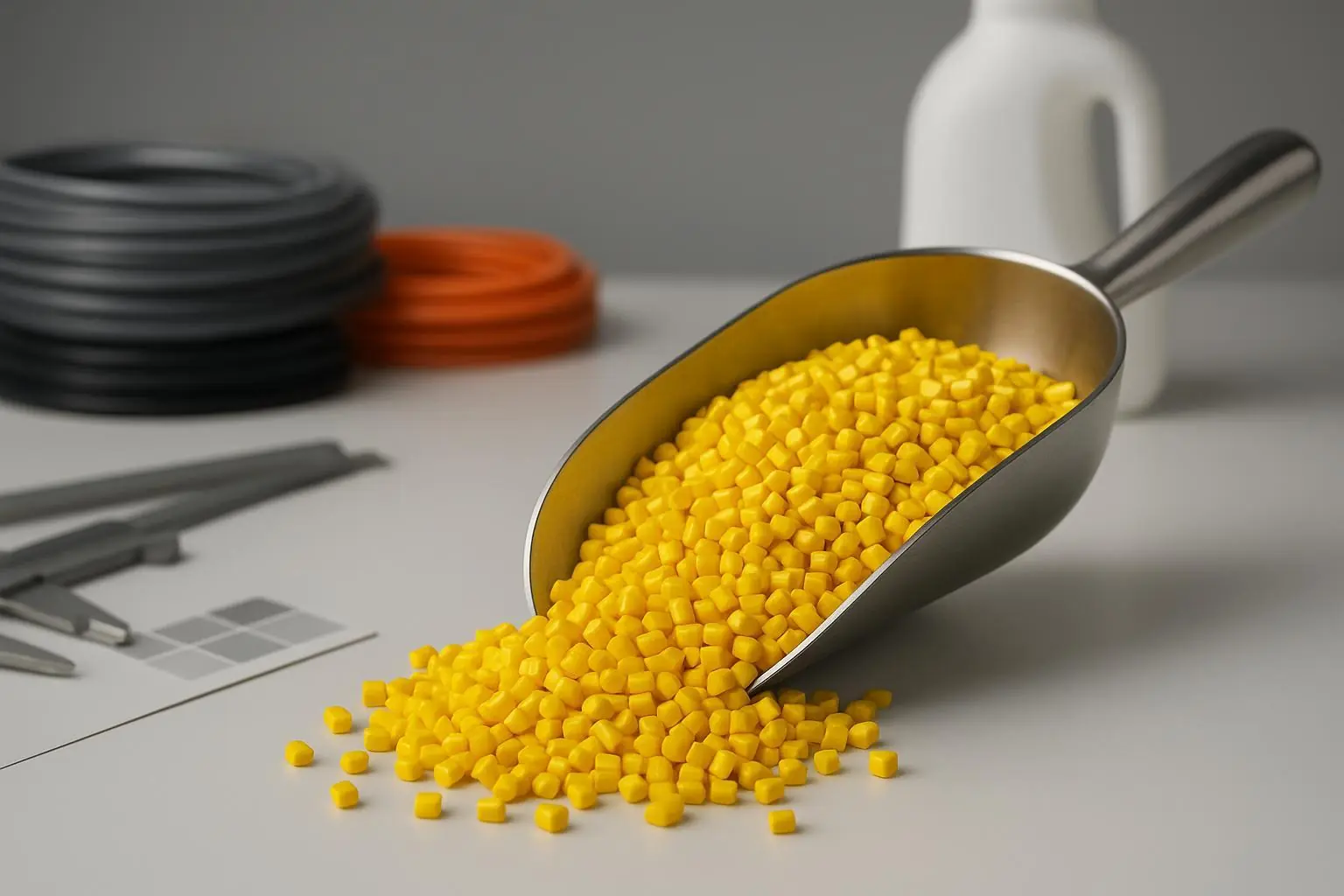
Pigment Yellow 13 (PY13) for Plastics: Properties, PVC/HDPE Performance, and HP YELLOW 1342 Notes
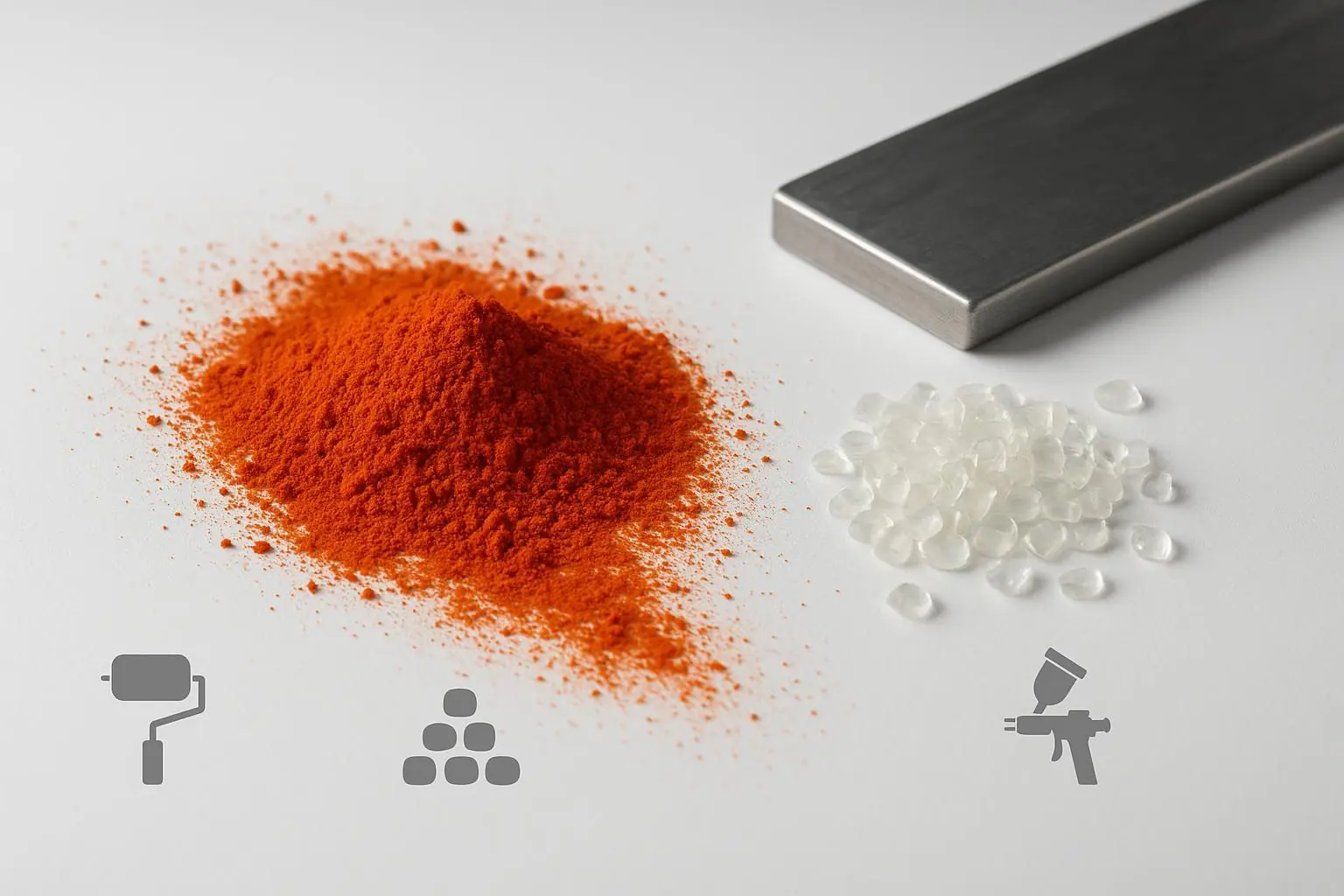
Pigment Yellow 83 (PY83): More Than a Yellow, More of a Solution
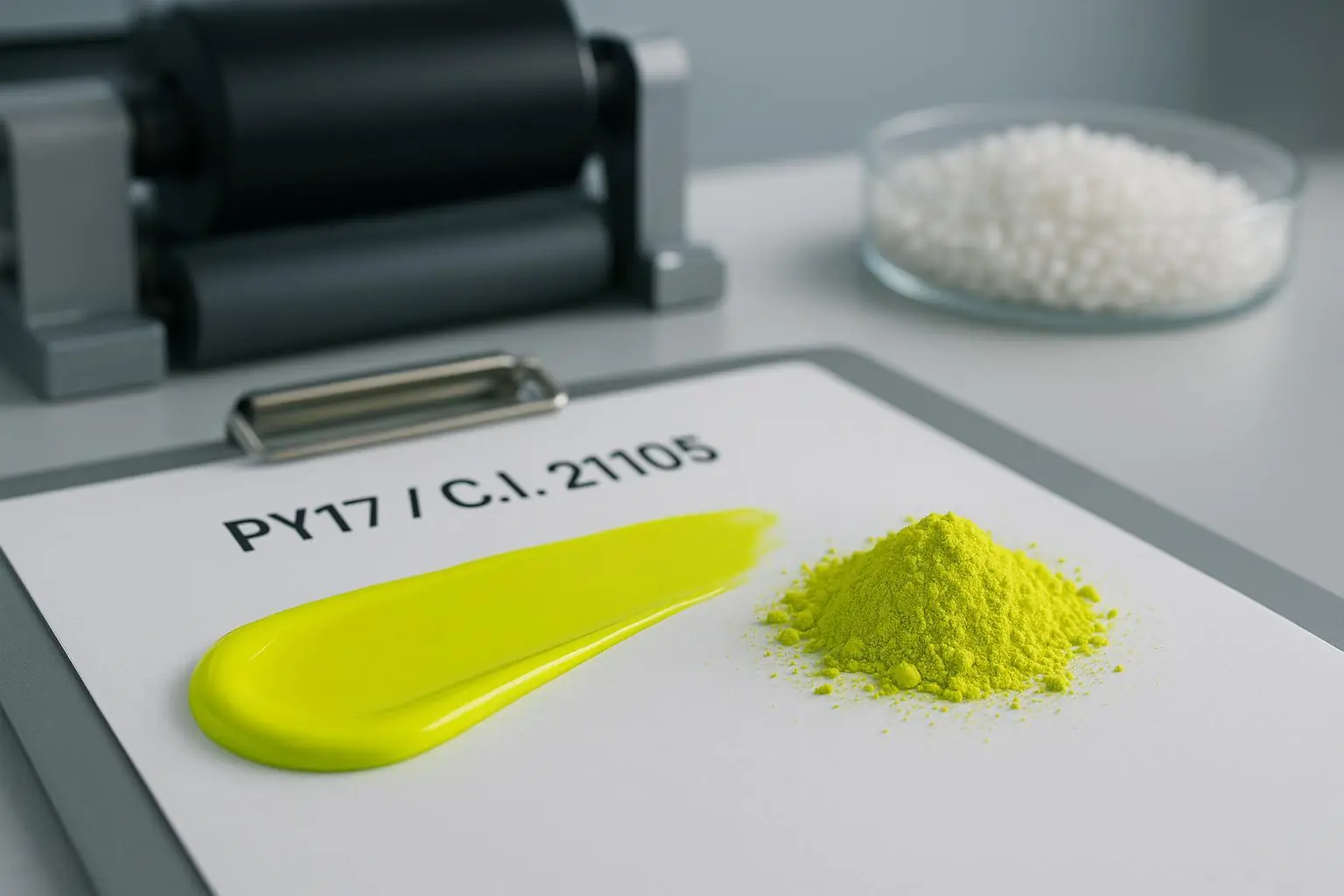
Pigment Yellow 17 (PY17, C.I. 21105) is a very green‑shade diarylide yellow widely used in packaging inks and polymer coloration. If you formulate solvent gravure/flexo inks, offset, or masterbatches for PVC and polyolefins, this guide distills what matters: identity and hue behavior, fastness ranges, how it stacks up against PY13 and PY14, and practical guardrails for inks and plastics. For readers exploring ink solutions, see our category overview of pigments for printing inks.
Chemical identity and class basics
Pigment Yellow 17 is a diarylide azo pigment with the Colour Index designation C.I. 21105. In industry it appears under several names, including PY17, 颜料黄17, and 永固黄2G (Permanent Yellow 2G). It is commonly offered in high‑transparency, resinated grades tailored to packaging inks and in plastics‑optimized grades designed for dispersion and heat handling. Class and application positioning for PY17 are summarized in the ink-focused brochures and directories by major manufacturers, which describe it as a greenish diarylide yellow suitable for a broad range of ink systems and plastics (see the 2023 Vibrantz ink brochure and DCL/DCC pigment directories for qualitative class descriptors).
Public chemical databases list Pigment Yellow 17 (C.I. 21105) as a diarylide azo yellow (CAS 4531‑49‑1), a class widely used where a green‑shade yellow is needed in inks and plastics; performance still depends on grade and vehicle and should be confirmed with a supplier’s technical data sheet.
Hue and comparative coloristics vs PY13 and PY14
Formulators often weigh PY17 against the other workhorse diarylides—PY13 and PY14. A practical mental model is:
PY17: the greenest of the three; frequently supplied as high‑transparency ink grades.
PY14: green‑shade yellow, typically a touch less green than PY17.
PY13: warmer/less green; often perceived as slightly stronger in tint in some systems (grade‑dependent).
In process and packaging work, small additions of PY83 (redder diarylide) are commonly used to neutralize PY17’s green cast when hitting scale standards—always confirm by drawdown.
Two further notes that influence selection:
PY17 can require higher pigment concentration than PY14 to reach identical 1/3 standard depth under some historical relief/letterpress conditions; treat this as grade‑ and vehicle‑dependent guidance best verified on your press.
Transparency and gloss are typically very good for PY17 in resinated grades aimed at inks.
Below is a compact comparison summary drawn from brochures/directories and one representative TDS; values are indicative and depend strongly on grade and vehicle.
Attribute | PY17 | PY14 | PY13 |
|---|---|---|---|
Hue tendency | Greenest of the three | Green‑shade | Warmer/less green |
Typical lightfastness in ink film (Blue Wool) | Mass ~6–7; Tint ~4–7 (grade/vehicle dependent) | Mass ~5–6; Tint lower than PY17 in some systems (qualitative) | Mass ~6–7; Tint comparable or higher than PY14 in some systems (qualitative) |
Indicative PP heat ceiling | ~200 °C for 5 min (screening condition) | Typically lower than high‑heat yellows; verify per grade | Similar class behavior; verify per grade |
Solvent resistance (alcohols/ketones/esters) | Generally good; vehicle dependent | Generally good; vehicle dependent | Generally good; vehicle dependent |
References: representative PY17 technical data sheet with PP 200 °C / 5 min and Blue Wool ranges (Solar Impex, 2023); identity cross‑check via PubChem entry for “C.I. Pigment Yellow 17”.
Fastness and resistance of Pigment Yellow 17 in inks
Blue Wool lightfastness for Pigment Yellow 17 in print films is commonly reported around 6–7 in masstone, with tints ranging from roughly 4 to 7 depending on grade and vehicle. These ranges align with data from a PY17 technical data sheet and qualitative statements in ink brochures. Always verify on your own substrates and binders, as film thickness, overprint varnish, and UV exposure profiles alter outcomes.
On chemical resistance, practitioner experience and class literature describe good overall resistance to common ink solvents—alcohols, ketones, and esters—when matched with suitable resins such as nitrocellulose, polyamide, or polyurethane. Exact rub/immersion results are grade‑ and vehicle‑specific and should be taken from the supplier’s TDS or in‑house testing.
Application guidance for printing inks (focus on packaging)
Where PY17 shines
Solvent gravure and flexographic packaging inks benefit from PY17’s green shade and high transparency, enabling crisp halftones and clean overprints.
Offset and water‑based inks also use PY17; select grades engineered for the intended vehicle and press conditions.
Formulation notes
Transparency and dispersion: Resinated, fine‑particle grades are common for packaging inks and can deliver excellent transparency. Monitor viscosity—very fine, high‑surface‑area grades can elevate viscosity in NC systems; adjust let‑down or use suitable wetting/dispersion aids.
Tonal control: To neutralize PY17’s green cast for process standards, trial micro‑additions of PY83 and confirm via drawdown and spectro targets.
Proofing: Check solid tone and 1/3 standard depth at your film thickness; verify overprint behavior in CMYK stacks.
Practical example — product mention (neutral)
A production example many teams use is a PY17 grade optimized for inks and plastics. For instance, Honor Pigments offers PY17 HP YELLOW 1314 as a class‑typical option used in solvent packaging inks and polymer coloration. For an overview of related offerings, see Honor Pigments. Selection and performance remain grade‑ and vehicle‑dependent; confirm with drawdowns and TDS.
Application guidance for plastics
PVC (rigid vs plasticized)
PY17 is widely applied in PVC. In rigid PVC, it typically shows stable color and good lightfastness within conventional processing windows. In plasticized PVC, migration or blooming can occur, particularly at lower pigment loadings and with certain plasticizer packages. Practical mitigations include:
Evaluate slightly higher pigment loading within color limits to reduce drive for migration.
Screen plasticizer/stabilizer packages for compatibility with the selected PY17 grade.
Consider switching to grades designed for lower migration, or evaluate alternative yellows if migration resistance is a primary requirement.
Polyolefins (PP/PE)
Representative data sheets for Pigment Yellow 17 indicate an approximate processing ceiling of 200 °C for 5 minutes in PP screening tests (mass and tint). In practice, that supports many masterbatch/use conditions in PP and HDPE with conservative dwell times; as temperatures or residence times increase, monitor ΔE and plate‑out risk. For higher‑heat applications or longer residence times, consider alternative yellows engineered for heat stability.
Styrenics and other engineering polymers
Diarylide yellows, including PY17, are generally not the first choice for higher‑heat styrenics without explicit supplier backing. If PS or ABS is in scope, request grade‑specific data or consider alternative chemistries with higher thermal stability.
Related reading and alternatives
When heat or migration demands tighten, many teams evaluate different yellow chemistries. For general background on diarylide alternatives used by packaging converters, see our related article on Pigment Yellow 74.
References for this section: the pyrolysis/processing guidance and lightfastness ranges summarized above align with a representative PY17 TDS citing 200 °C / 5 min in PP and Blue Wool ranges (Solar Impex, 2023).
Troubleshooting quick checks
If you observe these symptoms, consider the following likely causes and fixes:
Greenish cast off target in process yellow: PY17’s inherent greenness; trial micro‑additions of PY83 and re‑match via drawdown.
Viscosity higher than expected in NC inks: very fine, high‑surface‑area PY17 grade; adjust dispersant/wet‑out package or let‑down solids.
Blooming or surface haze on plasticized PVC: migration at low pigment loading; increase loading within limits, adjust plasticizer/stabilizer, or evaluate lower‑migration grades/alternative yellows.
Procurement‑light notes
Grade selection: For packaging inks, resinated, high‑transparency PY17 grades are typical; for plastics, choose grades optimized for dispersion and heat screening in your polymer. Confirm PSD (e.g., D50/D90) and surface treatment from the supplier’s TDS.
Packaging and handling: Expect standard dry‑pigment bags or drums depending on whether you purchase dry pigment or a resinated preparation; store dry, sealed, and away from heat and UV.
Sampling and validation: Request lab drawdowns or masterbatch plaques and verify Blue Wool lightfastness, solvent rubs, and processing ΔE at your target conditions.
Next steps and resources
Plan a short validation run: drawdowns in your target vehicles (NC/PA/PU inks) and PP/PVC plaques at representative dwell times. Log viscosity, gloss, ΔE before/after exposure, and overprint behavior. For related internal reading, browse our pigments for printing inks and the broader Honor Pigments organic pigments overview. For class context and reference data, see:
A representative PY17 technical data sheet (Solar Impex, 2023) citing Blue Wool ranges and an indicative 200 °C / 5 min PP screening condition.
Identity cross‑check via PubChem entry for “C.I. Pigment Yellow 17”.
If you’re evaluating a class‑typical PY17 grade for inks and plastics, you can request a sample of PY17 HP YELLOW 1314 through your usual technical channels; performance should always be confirmed against your resin systems and processing windows before scale‑up.
 English (UK)
  Español
  Português
  Français
  Русский
  Türkçe
  العربية
  Bahasa Indonesia
  한국어
한국어  Čeština
  Nederlands
  עִבְרִית
  Ελληνικά
  日本語
日本語  Italiano
  Português do Brasil
  Deutsch
  Română
  Español de Argentina
  Irish
Irish  Español de Colombia
  Dansk
Dansk  Қазақ тілі
  Монгол
  Español de México
  O‘zbekcha
  Shqip
Shqip