
Pigment Yellow 74 — Small Pigment, Big Performance
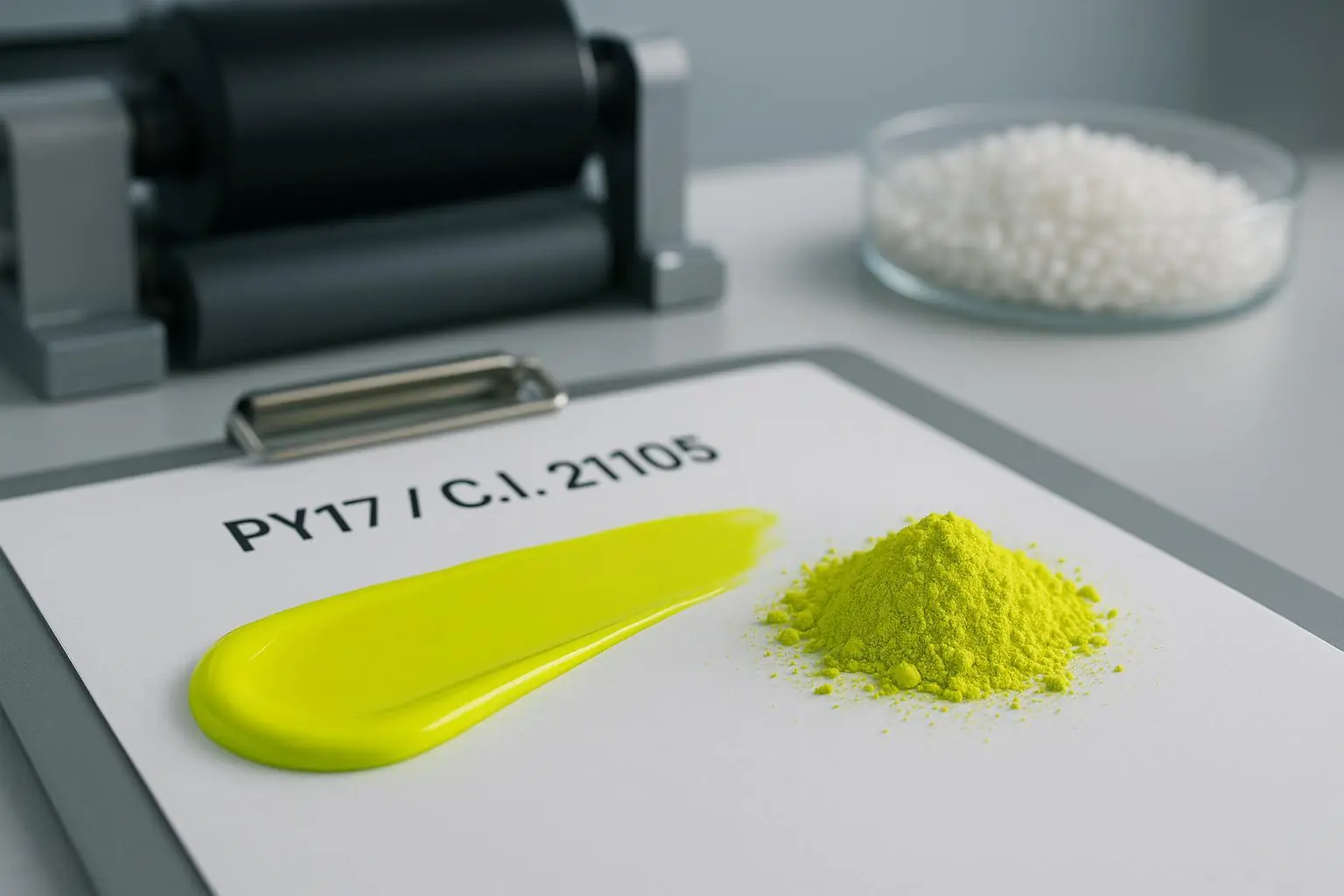
Pigment Yellow 17 (C.I. 21105): properties, comparison, and application guidance for inks and plastics
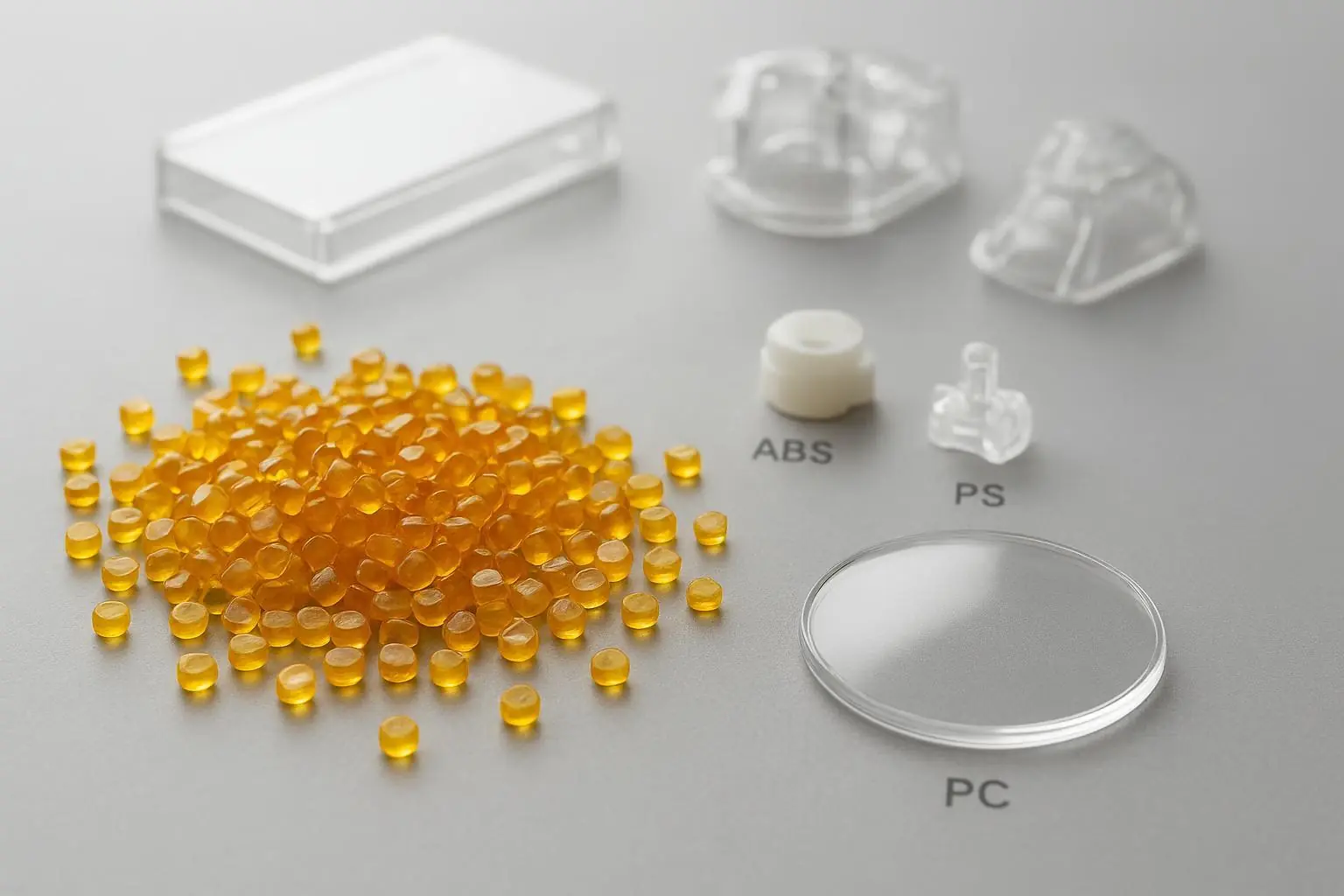
The Ultimate Guide to Solvent Yellow 114 for Transparent Engineering Plastics (PC/PMMA/ABS/PS)
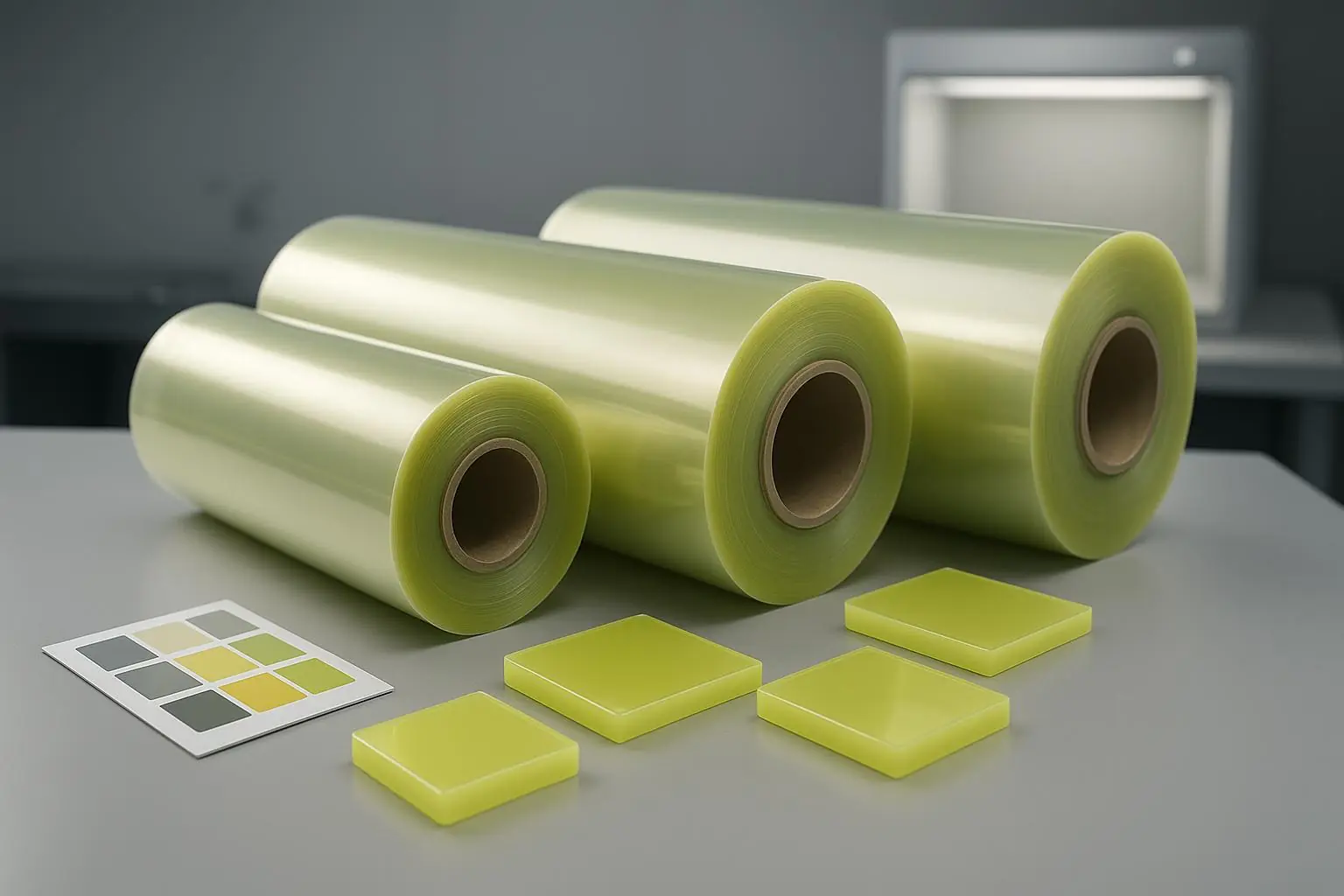
Pigment Yellow 14 (PY14): Definition and Plastics Applications
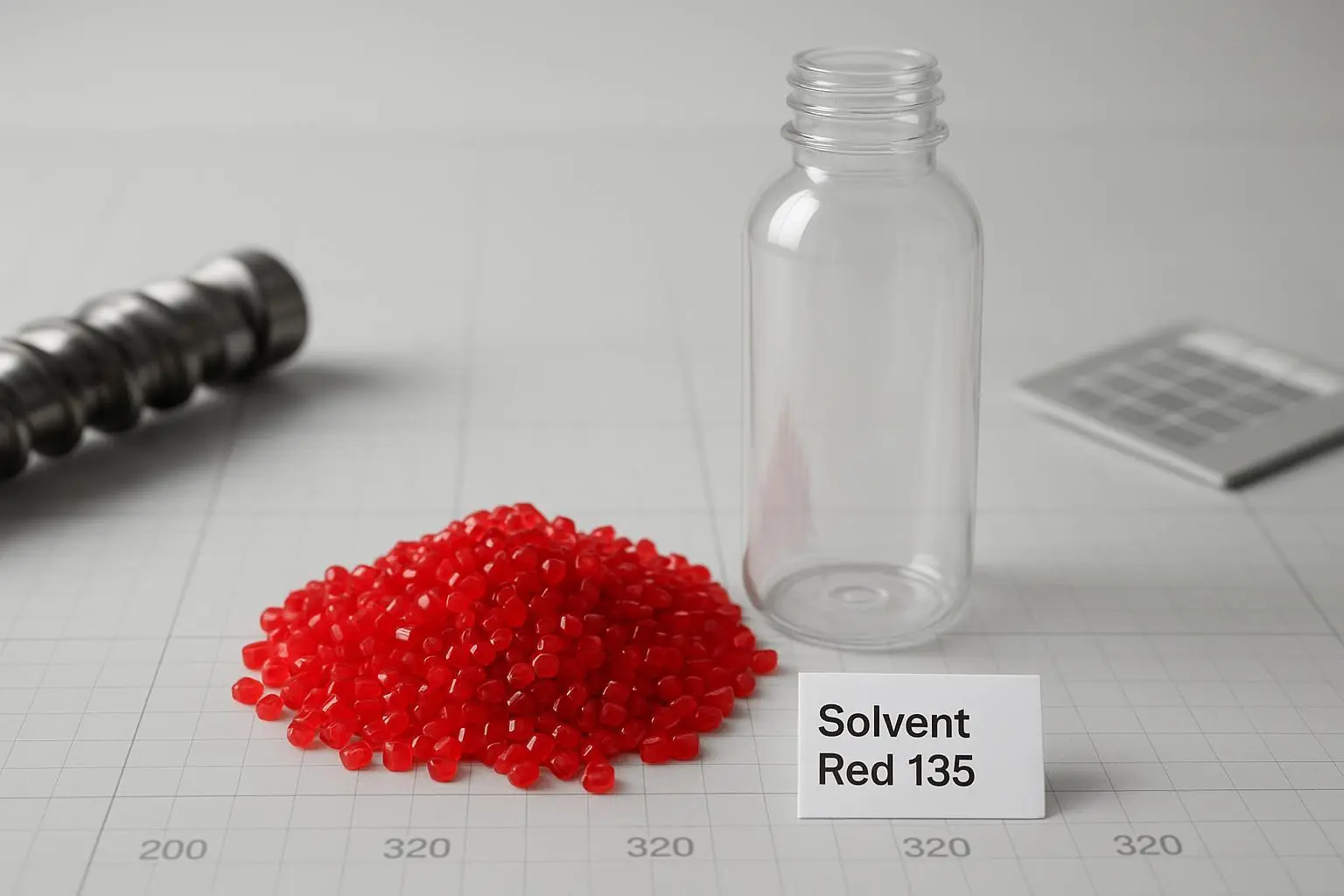
Solvent Red 135 for Transparent Red in PS/ABS/PC/PET: A Technical Guide
If you formulate packaging inks or color plastics in Southeast Asia, you’ve likely short‑listed Pigment Yellow 12 (PY12, diarylide yellow) for its dependable hue and attractive cost profile. This guide focuses on Pigment Yellow 12 for water‑based inks and plastics with practical, testable steps for stable low‑VOC dispersions, safe processing windows for PE/PVC, and documentation that stands up to audits. Where standards or safety come into play, we cite authoritative sources so your QA team can validate quickly.
Suppliers such as Honor Pigments are commonly selected when teams need diarylide options plus routine QA documentation; in this article, we reference their publicly available guides as neutral learning resources where helpful.
What PY12 Is Good At—and Where It Struggles
Pigment Yellow 12 is a classic diarylide, medium‑shade yellow used widely in inks and general‑purpose plastics. Typical physical data reported across open SDS/TDS sources include density around 1.3–1.5 g/cm³ and oil absorption roughly 30–50 g/100 g; formulations should confirm actual values per grade. For a representative sheet, see the Suntone PY12 technical data sheet from Vipul Organics, which lists oil absorption and handling ranges that align with common practice (accessed 2026): https://vipulorganics.com/Suntone%20Pigment%20Yellow%2012%20TDS/Suntone%20Pigment%20Yellow%2012%20TDS.pdf
On heat: public listings commonly position PY12 as suitable for short‑residence plastics processing around 180–200°C, depending on grade and matrix. To stay conservative, set your baseline at the lower end and confirm on your line. One representative listing notes heat resistance “up to 180°C,” which tracks with many formulators’ practice (2026): https://www.finelandchem.com/pigment-yellow-12/
Positioning versus other diarylides: PY12 balances cost and color for many water‑based ink and PE film jobs. If you need higher heatfastness, deeper masstone, or cleaner tints under aggressive conditions (e.g., long residence >200°C or high‑solvent systems), other diarylide yellows or different chemistries may be warranted. For routine SEA paper packaging inks and LDPE/LLDPE film under ≤190–195°C peaks, well‑chosen PY12 grades often deliver an acceptable performance‑to‑price ratio.
Formulating Pigment Yellow 12 for Water‑Based Inks (low‑VOC friendly)
Pigment Yellow 12 for water‑based inks is a frequent choice in flexo/gravure due to its shade and economics, but it’s hydrophobic and prone to flocculation. Stable dispersions require the right surfactant mix, adequate shear, and disciplined QC.
Key controls and why they matter
Dispersant chemistry: anionic or nonionic polymeric dispersants that anchor to the diarylide surface reduce flocculation and viscosity drift.
pH and ionic strength: alkaline pH (often 8–9.5 depending on binder) improves pigment wetting and electrostatic stabilization; avoid large ionic swings that collapse the double layer.
Milling energy and verification: target a fine, speck‑free dispersion and verify with a Hegman gauge per ASTM D1210 (overview of paint/ink test methods: https://www.astm.org/products-services/standards-and-publications/standards/paint-standards-and-related-coating-standards.html).
GMP and migration awareness: for packaging inks, align development with EuPIA’s migration test guidance and FCM inks guideline (2023 editions) to ensure your dispersion choices support downstream compliance (migration methods: https://www.eupia.org/wp-content/uploads/2023/06/2023-05-03-EuPIA-Guidance-on-Migration-Test-Methods.pdf; FCM inks guideline: https://www.eupia.org/wp-content/uploads/2023/06/2023-05-18_EuPIA-Guideline-on-Printing-Inks-applied-to-Food-Contact-Materials.pdf).
Waterborne flexo millbase and letdown: a reproducible starting workflow
Use the following as a lab starting point and tune to your own binder/dispersant. The ranges are conservative to avoid foaming and shock; always validate viscosity, gloss, and stability.
Pre‑mix (10–15 min at 800–1200 rpm)
Water 25–35%
Amine‑neutralized acrylic binder solution (35–45% solids) 25–35%
Dispersant (anionic/nonionic polymeric) 1.5–3.0% on pigment
Defoamer 0.2–0.5% on total
pH adjuster (ammonia or amine) to pH 8.5–9.2
Add Pigment Yellow 12 powder slowly under vortex. Aim for 35–45% pigment in the millbase (as‑supplied).
Milling (bead mill or high‑shear)
Bead size: 0.3–0.6 mm zirconia as a common starting point
Inlet temperature: 25–35°C; keep outlet <45°C to limit re‑agglomeration
Residence: 1–3 passes or until Hegman ≥7.0 with no coarse particles per ASTM D1210
Rheology: adjust with associative thickener if needed to 500–1200 mPa·s (25°C, Brookfield) depending on press
Letdown and press‑ready adjustments
Add remaining binder and water to target solids/viscosity for flexo/gravure
Co‑solvent (e.g., 2–5% dipropylene glycol n‑propyl ether) can boost flow but watch VOC; keep to the minimum needed for transfer
Final pH 8.5–9.0; add defoamer as required and strain through 100–200 mesh
QC and stability checks
Fineness: ASTM D1210 Hegman ≥7.0, no seeds
Storage: accelerated 40°C, 2 weeks; no syneresis >5%, no hard settling, Δviscosity <20%
Print tests: transparency/tint strength against control, water/rub per ISO/industry practice
For additional context on aqueous dispersion strategies, see Honor Pigments’ primer on waterborne dispersion workflows in their Pigment Red 112 waterborne coatings guide, which—while pigment‑specific—covers surfactants, pH, and rheology choices that apply broadly to diarylides: https://www.honorpigment.com/en/pigment-red-112-waterborne-coatings-ultimate-guide/
PY12 in Plastics: PE Blown‑Film and Soft PVC
In plastics, diarylides are valued for color economics and ease of dispersion but demand sensible processing. For LDPE/LLDPE blown film, keep melt and die temperatures conservative (≤190–195°C where product and line allow) and minimize residence time. In plasticized PVC, migration risk rises with plasticizer level; rigid PVC typically fares better.
Processing window and risk controls
Temperature: Base‑line at 180–190°C for PE film; verify opticals and shade after 2 h heat‑aging at your max setpoint to ensure no hue drift or bloom.
Residence time: Keep screws/dead spots clean; shorter residence and uniform temperature limit thermal stress on diarylides.
Migration mitigation: Favor encapsulated grades when available, use higher‑MW plasticizers in PVC where compatible, and consider coupling agents in PE masterbatches to reduce pigment mobility in the final matrix.
Weathering: For outdoor films, qualify with xenon‑arc methods (e.g., ISO 4892‑2 family) to understand light stability in your polymer (overview of method family: https://www.iso.org/ics/87.040.html).
PE blown‑film masterbatch workflow (pilot‑line starting point)
Choose the carrier and loadings
Carrier: LDPE compatible with your film resin (MI close to base) to ease dilution
Pigment loading in masterbatch: 20–30% PY12
Additives: 0.2–0.5% antioxidant package if not in base resin; optional processing aid
Compounding
Twin‑screw 25–40 mm; set barrel zones 150–170–180–185–185°C with die ≤190–195°C
Screw: moderate shear; avoid excessive shear peaks that can heat‑spike the diarylide
Vacuum venting: on if moisture is present to prevent voids and gels
Pellet QA
Color consistency (ΔE vs. standard ≤0.8 typical for film work)
Filter‑pressure value (FPV) to check dispersion; no visible specks on 100–200 mesh screens
Heat‑age test: 2 h at your highest line temperature, re‑measure shade and gloss
Film extrusion and checks
Masterbatch letdown: start at 1–3% for target shade; adjust by ΔE
Blown‑film line: keep die and air‑ring uniformity; monitor streaking and gels
Migration screening: cut film samples and proceed to the migration section below if food‑adjacent use is intended
Soft PVC note: With phthalate or citrate plasticizers, diarylides can show higher extractables. If colorants are for non‑food consumer goods, lab‑screen extractables in common simulants, and check for bloom after heat aging at 70–80°C for 24–72 h.
For adjacent diarylide background on fastness testing concepts (light, heat, migration terminology), Honor Pigments’ Pigment Yellow 83 guide provides a helpful overview of test types and acceptance thinking you can adapt to PY12 screening: https://www.honorpigment.com/en/pigment-yellow-83-ultimate-guide/
Migration, PAAs, and Compliance Expectations in SEA
When Pigment Yellow 12 for water‑based inks is used on packaging (typically the non‑food‑contact side) or when PY12 is in plastic components near food, regulators expect risk‑based controls and, where appropriate, migration testing.
Migration testing logic: The EuPIA Migration Test Methods guidance (2023) explains substrate‑relevant worst‑case screening and when verification is needed with food simulants; it complements the broader EuPIA FCM inks guideline (2023). See both in EuPIA’s library: https://www.eupia.org/wp-content/uploads/2023/06/2023-05-03-EuPIA-Guidance-on-Migration-Test-Methods.pdf και https://www.eupia.org/wp-content/uploads/2023/06/2023-05-18_EuPIA-Guideline-on-Printing-Inks-applied-to-Food-Contact-Materials.pdf
Primary aromatic amines (PAAs): Azo colorants can form PAAs under harsh conditions. The German BfR references detection limits aligned with EU practice—sum of PAAs not detectable above 0.01 mg/kg (or mg/L simulant), with stricter levels for certain carcinogenic PAAs. Overview: https://www.bfr.bund.de/cm/349/frequently-asked-questions-about-printing-inks-and-primary-aromatic-amines-in-food-contact-materials.pdf
National touchpoints in SEA: Many converters benchmark EU frameworks; however, local authorities still apply. For Singapore, consult the Singapore Food Agency Food Regulations (CAP. 283, Rg 1) to align documentation and safety expectations: https://www.sfa.gov.sg/docs/default-source/food-safety-tips/food-regulations1.pdf. In Indonesia, BPOM’s Government Regulation No. 86/2019 sets general food‑safety requirements, including that packaging must not release hazardous substances: https://jdih.pom.go.id/download/rule/1332/86/2019/Regulation%20Of%20The%20Government%20Of%20The%20Republic%20Of%20Indonesia%20Number%2086%20Of%202019%20On%20Food%20Safety
What this means in practice: run worst‑case screens on finished prints/films, and if food‑adjacent use is intended, confirm specific migration with EN‑1186‑family conditions appropriate to the food type and time/temperature. Keep batch‑specific COAs and lab reports on file.
Compliance essentials to keep on one page
Confirm heavy‑metal and PAA screenings are “not detected” per method limits (sum of PAAs ≤0.01 mg/kg), and file methods/LODs with QA.
Document your EuPIA‑aligned risk assessment and the specific migration conditions chosen for verification (simulant, time, temperature).
Maintain COA, SDS, and batch traceability for each pigment lot and each dispersion/masterbatch produced.
Troubleshooting and QC—What to Check Before Release
Below is a compact, field‑tested matrix to speed up root‑cause isolation in PY12 water‑based inks and PE films.
Symptom | Likely root cause | Corrective actions |
|---|---|---|
Ink viscosity drift upward in storage | Insufficient dispersant adsorption; ionic shock from additives; partial flocculation | Increase polymeric dispersant 0.2–0.5% on pigment; normalize pH/ionic strength; add post‑stabilizer; re‑mill to Hegman ≥7.0 |
Specks/seediness after milling | Overheating in mill causing re‑agglomeration; too large beads | Improve cooling; reduce residence time per pass; switch to 0.3–0.6 mm beads; verify bead load |
Foam and pinholes on press | Incompatible defoamer; excessive high‑shear air entrainment | Swap to mineral oil/siloxane defoamer suited to acrylic systems; slow addition; check anilox selection |
Hue shift after PE film heat aging | Die temps too high; long residence time; pigment degradation | Lower die by 5–10°C; clean dead spots; reduce screw speed; evaluate encapsulated PY12 grade |
Streaks/gels in film | Poor dispersion or contamination; FPV too high | Increase masterbatch mixing energy; finer filter pack; audit handling/cleaning |
Blooming/migration in soft PVC | Plasticizer‑rich matrix mobilizing pigment; low‑MW plasticizer | Use higher‑MW plasticizer if compatible; consider encapsulated pigment; age at 70–80°C to screen lots |
QA records you should not skip
Incoming pigment lot record: supplier, lot, COA numbers, moisture, oil absorption (if tested), tint strength vs. house standard.
Pre‑shipment checks for dispersions/masterbatches: fineness (ASTM D1210 for inks), FPV and microscopy for plastics, viscosity/rheology, storage stability snapshots, and labeling with batch traceability.
If you prefer a quick refresher on dispersion/testing concepts before drafting your in‑house SOP, Honor Pigments’ guides provide helpful frameworks—see their waterborne dispersion overview here: https://www.honorpigment.com/en/pigment-red-112-waterborne-coatings-ultimate-guide/ and an adjacent diarylide testing overview here: https://www.honorpigment.com/en/pigment-yellow-83-ultimate-guide/
Resources and Next Steps
Water‑based ink dispersion verification (ASTM D1210 overview within coatings/inks standards): https://www.astm.org/products-services/standards-and-publications/standards/paint-standards-and-related-coating-standards.html
Migration and FCM inks GMP (EuPIA, 2023): https://www.eupia.org/wp-content/uploads/2023/06/2023-05-03-EuPIA-Guidance-on-Migration-Test-Methods.pdf; https://www.eupia.org/wp-content/uploads/2023/06/2023-05-18_EuPIA-Guideline-on-Printing-Inks-applied-to-Food-Contact-Materials.pdf
PAA detection limits (BfR FAQ, 2025–current): https://www.bfr.bund.de/cm/349/frequently-asked-questions-about-printing-inks-and-primary-aromatic-amines-in-food-contact-materials.pdf
Typical PY12 handling ranges (representative TDS): https://vipulorganics.com/Suntone%20Pigment%20Yellow%2012%20TDS/Suntone%20Pigment%20Yellow%2012%20TDS.pdf
SEA regulatory examples (SFA; BPOM): https://www.sfa.gov.sg/docs/default-source/food-safety-tips/food-regulations1.pdf; https://jdih.pom.go.id/download/rule/1332/86/2019/Regulation%20Of%20The%20Government%20Of%20The%20Republic%20Of%20Indonesia%20Number%2086%20Of%202019%20On%20Food%20Safety
Neutral brand learning resources
For dispersion/testing fundamentals applicable to diarylides, see the Honor Pigments waterborne guide: https://www.honorpigment.com/en/pigment-red-112-waterborne-coatings-ultimate-guide/
For adjacent diarylide testing context, see the Honor Pigments Pigment Yellow 83 guide: https://www.honorpigment.com/en/pigment-yellow-83-ultimate-guide/
If you need lot‑specific data or sample material to run the workflows above, you can request a COA or lab sample from Honor Pigments through their site’s contact channels.
Author’s note
I’ve formulated waterborne packaging inks and color PE/PVC compounds for converters in Vietnam, Thailand, and Indonesia. The workflows above are conservative starting points; validate on your press or extrusion line and document results under your intended use conditions. When in doubt, test—then test again under worst‑case conditions.
 English (UK)
  Español
  Português
  Français
  Русский
  Türkçe
  العربية
  Bahasa Indonesia
  한국어
한국어  Čeština
  Nederlands
  עִבְרִית
  Ελληνικά
  日本語
日本語  Italiano
  Português do Brasil
  Deutsch
  Română
  Español de Argentina
  Irish
Irish  Español de Colombia
  Dansk
Dansk  Қазақ тілі
  Монгол
  Español de México
  O‘zbekcha
  Shqip
Shqip