


Pigment Yellow 110 (HP Yellow 1315): Applications, Qualification, and Buyer Checklist

Pigment Yellow 138 Buyer Guide: How to Qualify a Supplier (TDS, SDS, COA)
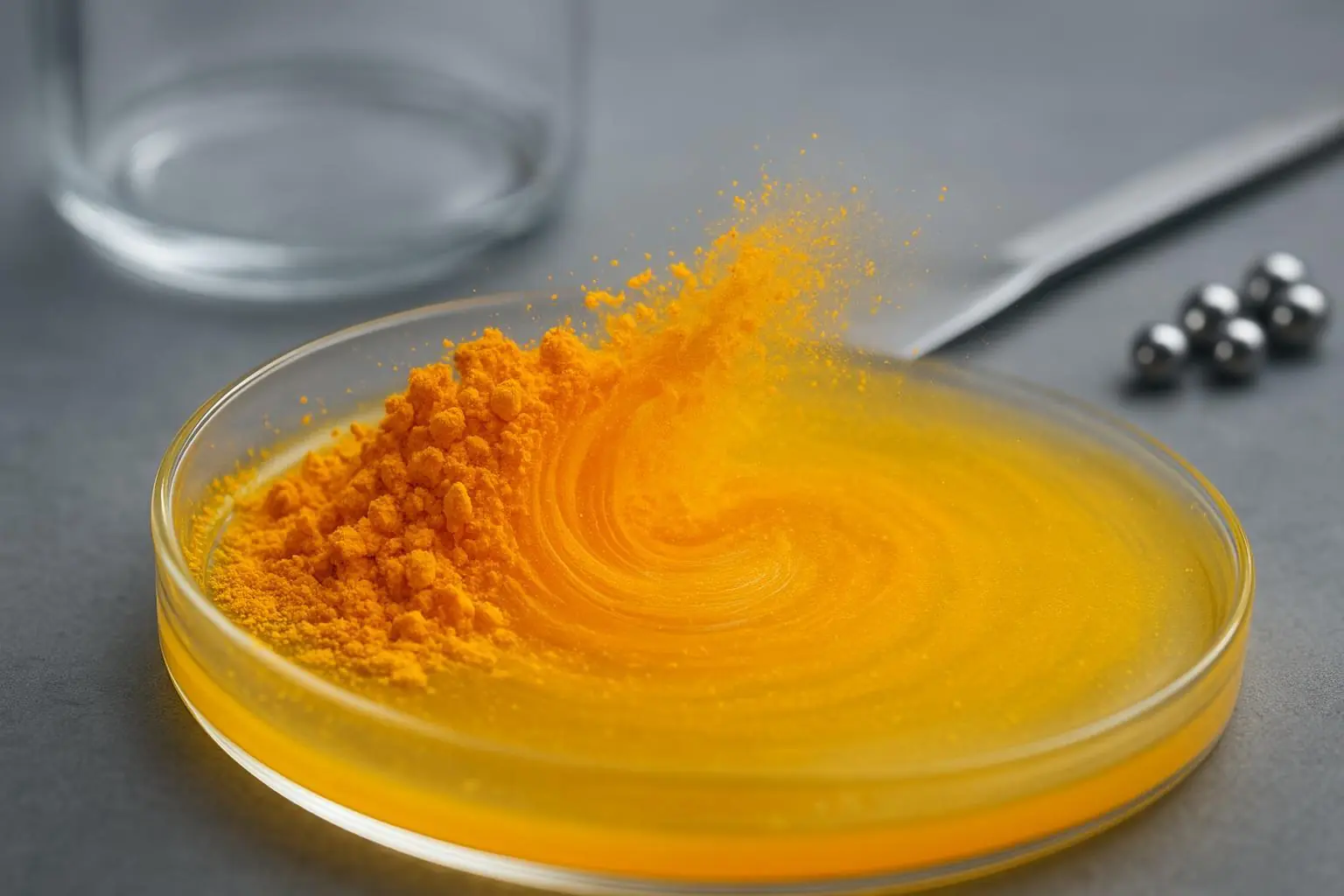
Pigment Orange 34 (HP Orange 3646) — Opaque Type: A Best‑Practice Guide
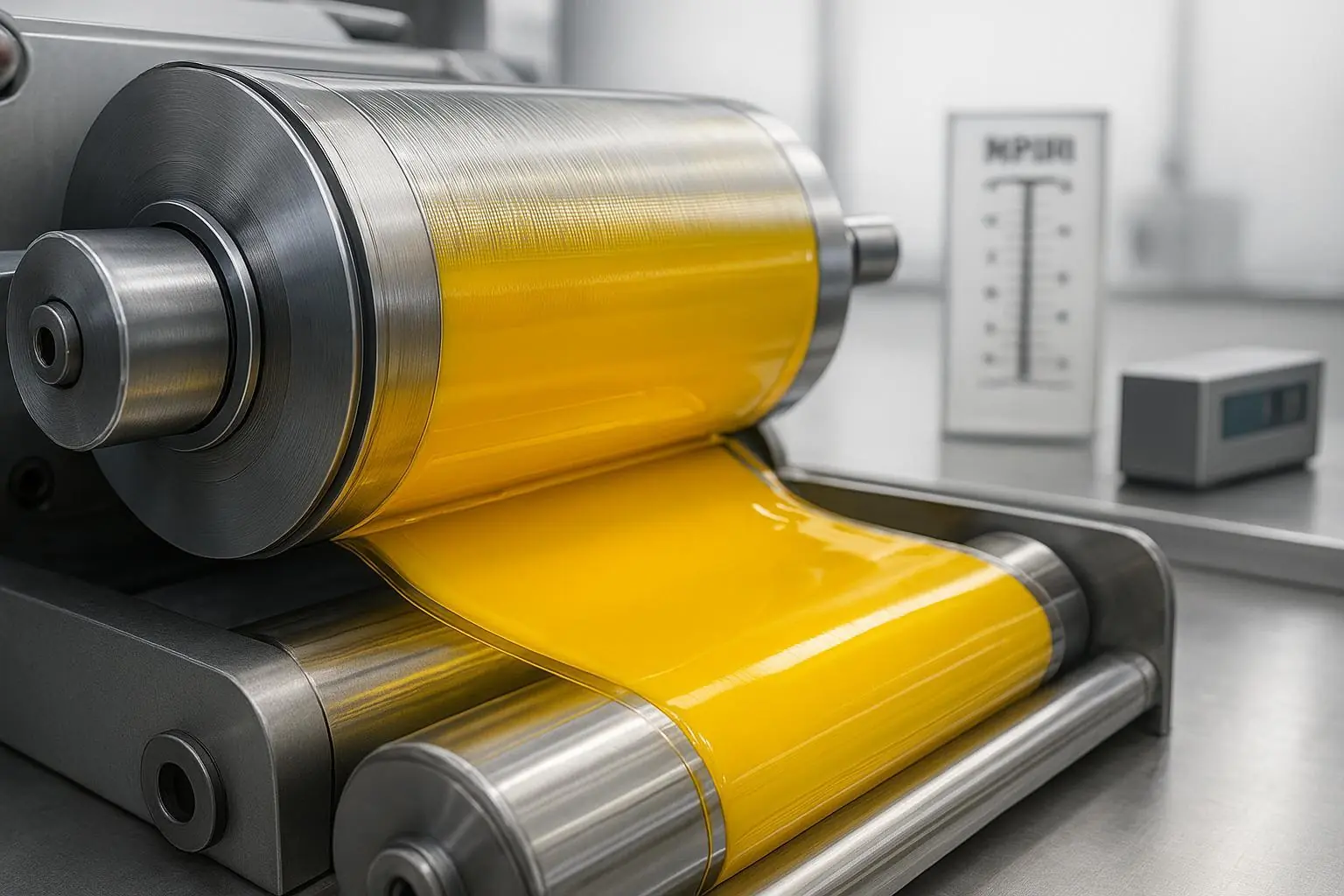
Pigmentová žluť 14 pro hlubotiskové a flexotisková barvy na bázi rozpouštědel: Vysoký průtok a vysoký lesk na filmech a papíru
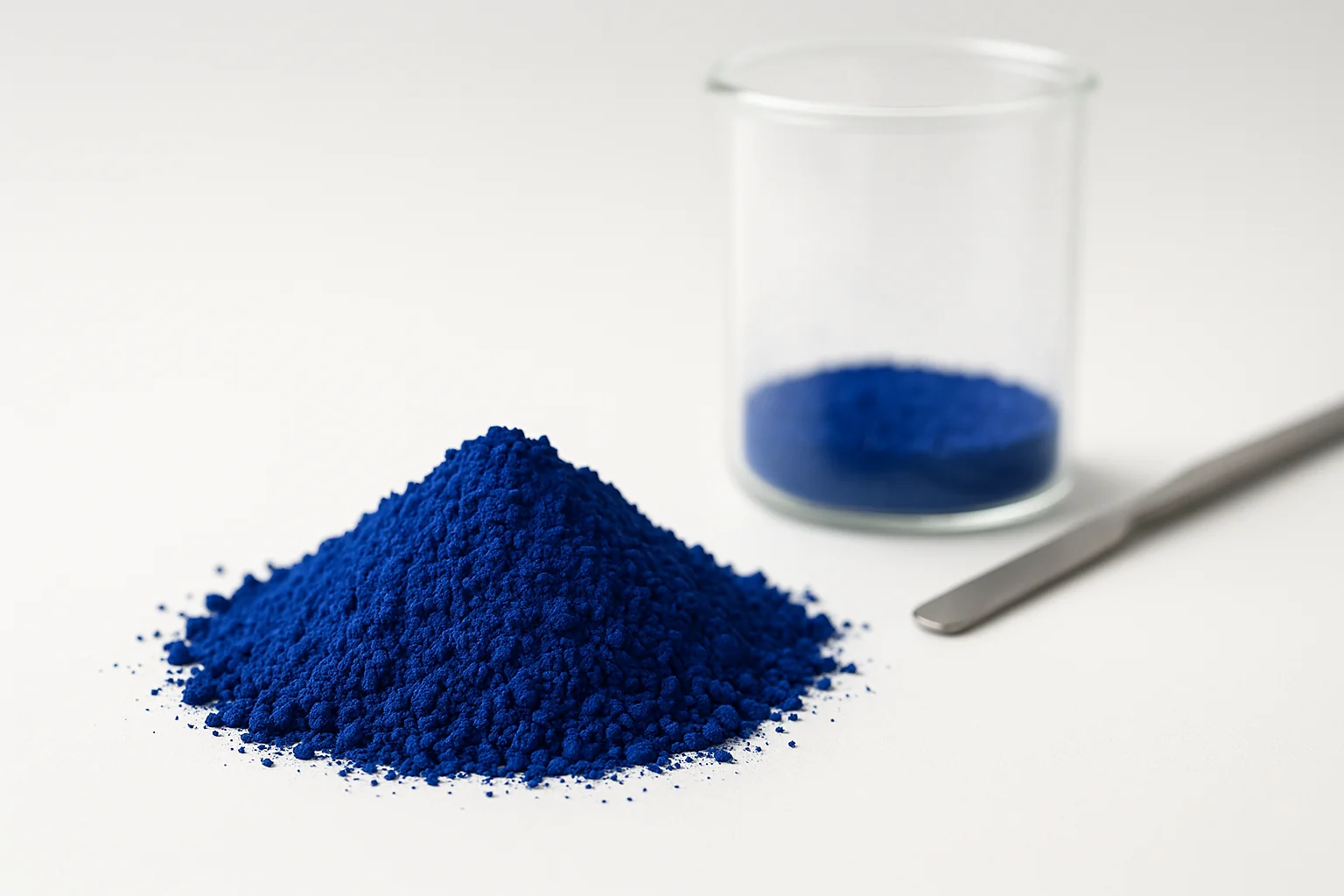
Pigment Blue 15:0 (PB15:0): definition, properties, and where it fits
If you’re sourcing Pigment Yellow 138 for coatings, plastics, or printing inks, the risk isn’t just getting the wrong shade. The real risk is approving a supplier that can’t hold batch-to-batch consistency, won’t support your documentation and audit trail, or can’t match your process window (heat, shear, solvent system) once you scale.
This buyer guide is written for procurement and QC teams who are already in the decision phase. You’ll get a practical framework for:
defining what “good” looks like for your application,
requesting the right documents (and reading them like a pro), and
running a qualification that reduces change-control and compliance risk.
1) Start with a needs assessment (before you request samples)
A clean RFQ starts with constraints, not product names. Before contacting suppliers, capture your “must not fail” requirements across four buckets:
Application and process window
System: coatings (solvent/water/powder), plastics (PP/PE/PVC/ABS/PC/PA/PBT), or inks (offset/solvent-based).
Processing conditions: max processing temperature, dwell time, and shear.
Dispersion method: bead mill / three-roll / twin-screw / let-down approach.
Durability requirements
Outdoor exposure vs indoor (lightfastness and weathering expectations).
Heat aging and color drift tolerance.
Chemical/solvent contact (cleaners, fuels, plasticizers, etc.).
Regulatory and customer requirements
SDS format requirements depend on your market. In the US, the baseline is OSHA’s Hazard Communication Standard (29 CFR 1910.1200), aligned with the UN Globally Harmonized System (GHS) Rev.10 (2023).
If you sell into the EU (or supply EU-based customers), you’ll likely need supplier statements aligned with the European Commission’s REACH explained and ECHA’s Understanding REACH (European Chemicals Agency).
Commercial constraints that affect qualification
target annual volume,
acceptable lead time and safety stock expectations,
approved-vendor onboarding time,
required change notification window (process or raw material changes).
Pro Tip: Treat qualification as a cross-functional project. Procurement owns terms and supplier risk; QC owns the acceptance criteria; R&D owns the performance window; compliance owns documentation completeness.
2) The four documents you should request every time
For decision-stage sourcing, your baseline request should include:
TDS (Technical Data Sheet)
SDS (Safety Data Sheet)
COA (Certificate of Analysis) for the specific batch you’ll sample
A short statement of compliance and traceability (what the supplier can provide, and how quickly)
TDS: what to verify (and what’s a red flag)
A TDS is where you confirm the pigment’s identity, typical properties, and intended applications.
Look for:
pigment identification (C.I. name/number, CAS, chemistry family),
physical properties that affect processing (oil absorption, density, surface area/particle indicators),
performance properties relevant to your end use (lightfastness, weathering, heat stability, solvent resistance, migration/bleed resistance),
recommended applications and any limitations.
Red flags:
no test method references (even informal),
missing basic identity fields,
only marketing language (“excellent performance”) with no numbers or rating scales.
SDS: what to verify
An SDS is the safety and handling backbone of your internal compliance workflow.
At a minimum, confirm the SDS:
is current and formatted in a way that supports your market’s expectations (US teams often benchmark against OSHA HazCom),
includes hazard classification, PPE guidance, first-aid measures, and disposal guidance,
matches the product identity (name, CAS, and composition statements where applicable).
COA: what to verify for supplier qualification
A COA is batch-specific evidence that what you received matches a defined spec.
While COA formats vary by supplier, strong COAs typically show:
batch/lot number,
test items with results,
spec limits (or reference targets),
test date,
signature/approval,
traceability to calibrated testing.
For regulated environments or high-risk applications, it’s reasonable to ask how the supplier ensures test validity (many buyers look for alignment with competent lab practices such as ISO/IEC 17025 testing laboratory competence).
3) What to check on a Pigment Yellow 138 COA (practical acceptance criteria)
Your COA checklist should mirror the failure modes that create real cost: scrap, rework, color-match downtime, and customer complaints.
Common COA items procurement and QC teams often insist on (depending on application):
Shade / color coordinates (instrumental color data or internal standard match)
Tinting strength (relative strength vs. standard)
Volatile matter (helps predict handling and consistency)
pH (more relevant for certain aqueous systems)
Absorpce oleje (signals dispersion and viscosity behavior)
Residue on sieve / coarse particles (helps prevent specks and filtration issues)
And when the end-use risk is high, add:
heat stability at your process temperature window,
migration/bleed resistance (especially for PVC or plasticized systems),
solvent resistance in the solvents relevant to your ink/coating system,
weathering/lightfastness for outdoor exposure.
⚠️ Warning: “Typical values” on a TDS are not enough for approval. If your product requires tight color control, treat COA limits and change control as deal-breakers.
4) Performance criteria that matter most for organic yellow pigments
Even within the same pigment family, performance can vary by grade, surface treatment, and manufacturing control. Your qualification should test the pigment in your resin/polymer system.
Heat stability (plastics + baked coatings)
If you process at high temperatures (or bake coatings), heat stability is often the first gating item. Define:
the max temperature and dwell time,
acceptable ΔE drift,
whether shade shift in masstone vs tint is acceptable.
Lightfastness and weather resistance
If the end product sees UV exposure (outdoor coatings, automotive, exterior plastics), you’ll want ratings or test evidence aligned to your expected service life.
Migration/bleed resistance
In plastics—especially PVC—migration can become a customer complaint, not just a lab curiosity. If you have multilayer structures, contact migration can also matter.
Solvent resistance (inks + solvent-borne coatings)
For solvent systems, confirm the pigment resists bleeding and shade shift in your solvent blend.
Dispersibility and viscosity impact
Dispersion behavior is where “paper qualification” often breaks down. Oil absorption and surface indicators can help predict viscosity, but pilot trials tell the truth.
5) Example: translating HP Yellow 1311 (Pigment Yellow 138) specs into RFQ language
If you want a concrete example of what “spec-driven sourcing” looks like, you can start from a supplier’s published specification and convert it into RFQ requirements.
Honor Pigments publishes a detailed spec sheet for HP Yellow 1311 (Pigment Yellow 138) specifications (quinophthalone, greenish yellow, opaque). Selected specs include:
CAS: 30125-47-4; chemistry: quinophthalone
Light fastness: 8/8 (full shade and tint)
Weather resistance: 5 (full shade and tint)
Heat stability: 290°C (10 min)
Migration resistance in PVC: 5
Acid resistance: 5; alkali resistance: 5
Density: 1.82 ± 0.1 g/cm³
Oil absorption: 35 ± 10 g/100 g; volatile matter: max 1%; pH: 5.0–8.0
How to use this in a decision-stage RFQ:
Ask for a COA that reports (at minimum) shade/strength vs. standard, volatile matter, and oil absorption (with spec limits).
If you process plastics at high temperature, require heat stability evidence at or above your max process temperature.
If you use PVC or plasticized systems, explicitly require migration resistance testing criteria and reporting.
Request packaging and shelf-life expectations up front (HP Yellow 1311 indicates 10 kg bags and 5-year shelf life on the published page).
To evaluate alternative grades quickly, you can also compare to your broader category needs using Honor Pigments’ organic pigments overview to shortlist pigments by application area.
6) Supplier capability checks that reduce long-term risk
A good pigment isn’t enough if the supplier can’t support your qualification system.
ISO 9001 and quality system signals
ISO certification doesn’t guarantee performance, but it can be a useful baseline for consistency and corrective action. Start from the supplier’s stated certifications and quality claims, then validate with:
audit readiness and documentation turnaround times,
traceability and retention policies (COAs, raw material traceability where applicable),
change-control process (how you’re notified of process/raw material changes).
Honor Pigments positions itself as an ISO 9001-certified supplier serving global industrial sectors on its Honor Pigments website.
Logistics and responsiveness
For global supply chains, the true cost of a pigment includes:
lead time variability,
packaging integrity,
damage prevention and handling expectations,
responsiveness for re-testing and issue resolution.
Technical support and qualification support
Decision-stage buyers should ask:
who supports color matching and troubleshooting,
what test data can be shared during qualification,
how sampling is handled (lot traceability, sample retention).
7) A decision-stage RFQ checklist (copy/paste)
Use this as the starting point for your RFQ email or portal entry:
Application: [coatings/plastics/inks], resin/polymer: [], processing temp/time: []
Target shade: [___], tolerance: [ΔE / visual standard], strength requirement: [relative to standard]
Required documents: TDS, SDS, COA for batch shipped, compliance statement (REACH where applicable)
Required COA items: shade/strength, volatile matter, oil absorption, pH (if relevant), coarse particles/residue
Required performance tests: heat stability at [___]°C, lightfastness/weathering (if relevant), migration resistance (if relevant), solvent resistance in [solvent list]
Traceability: lot/batch ID + change notification window
Packaging: [], MOQ: [], annual volume estimate: [___]
Commercial: target lead time, Incoterms, payment terms
Next steps: request a sample pack and qualification documents
If you’re qualifying Pigment Yellow 138 and want to reduce qualification cycles, the fastest path is to request samples with the exact documents your QC system needs.
CTA 1: Request a sample of HP Yellow 1311 (Pigment Yellow 138) plus TDS/SDS/COA from Honor Pigments.
If you’re still comparing options, start broader and shortlist by application category:
CTA 2: Browse Honor Pigments’ organické pigmenty and share your application details to get a matched recommendation and RFQ-ready documentation.
Or go straight to the inquiry form:
Contact page: Honor Pigments Contact Us
Disclaimer: Always verify suitability for your specific formulation and end-use requirements, and ensure your compliance obligations are met in your target markets.
 English (UK)
  Español
  Português
  Français
  Русский
  Türkçe
  العربية
  Bahasa Indonesia
  한국어
한국어  Čeština
  Nederlands
  עִבְרִית
  Ελληνικά
  日本語
日本語  Italiano
  Português do Brasil
  Deutsch
  Română
  Español de Argentina
  Irish
Irish  Español de Colombia
  Dansk
Dansk  Қазақ тілі
  Монгол
  Español de México
  O‘zbekcha
  Shqip
Shqip  English (South Africa)
  Deutsch (Österreich)
  Español de Chile